
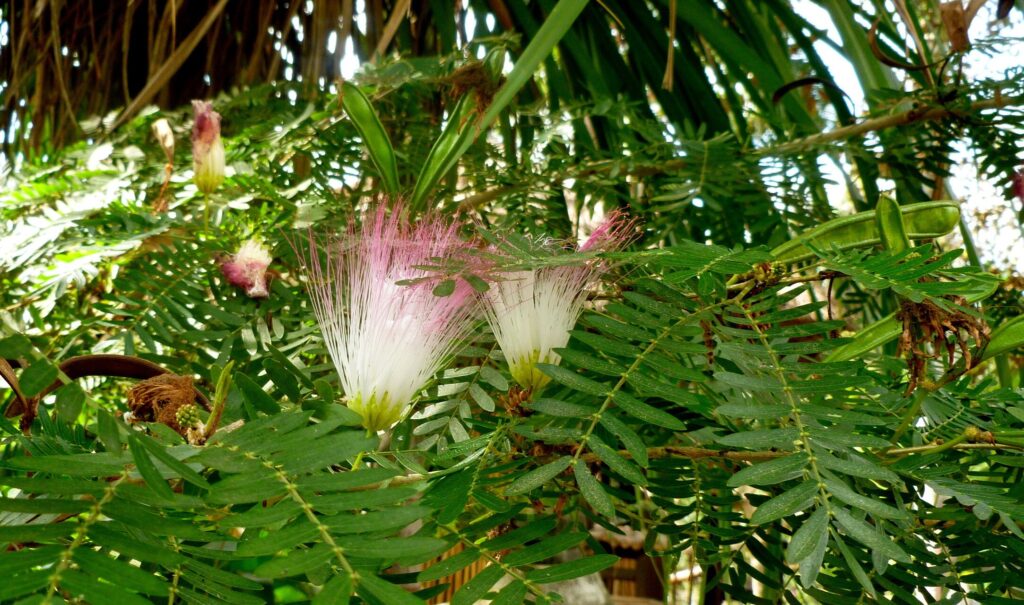
Propagating the Pink Powder Puff: A Guide to Calliandra surinamensis
Calliandra surinamensis, commonly known as the Pink Powder Puff or Surinam Calliandra, is a captivating shrub prized for its vibrant, fluffy pink flower heads. These striking blooms, resembling powder puffs, make it a popular choice among gardeners seeking a touch of tropical flair. Its relatively fast growth and adaptability to various soil conditions further contribute to its appeal. However, propagating this beautiful plant can present some unique challenges. Its success often hinges on understanding the specific needs of each propagation method.
Seed Germination:
Currently, there are no known reliable methods for seed germination propagation of Calliandra surinamensis. While seeds may be produced, their viability is notoriously low, and germination rates are extremely unpredictable. Extensive research has yet to uncover consistent techniques to overcome this hurdle.
Cuttings:
Cuttings offer a more reliable method for propagating Calliandra surinamensis.
- Challenges: Success with cuttings depends heavily on proper technique and environmental conditions. The cuttings are susceptible to fungal diseases and rot if humidity and drainage aren’t meticulously managed.
- Practical Tips: Semi-hardwood cuttings taken in late spring or early summer generally yield the best results. Cuttings should be approximately 4-6 inches long, with the lower leaves removed to prevent rot. Dip the cut ends in rooting hormone before planting in a well-draining potting medium, such as a mix of perlite and peat moss. Maintain high humidity (using a propagator or humidity dome) and consistently moist (but not waterlogged) conditions. Bottom heat can significantly improve rooting success.
- Rewards: Cuttings offer a faster way to obtain new plants compared to other methods and guarantee the preservation of the parent plant’s desirable traits.
Division:
Division is a viable option, especially for established, larger plants.
- Challenges: Successfully dividing Calliandra surinamensis requires careful handling to avoid damaging the root system. The plant should be mature enough to have developed a substantial root structure to withstand the division.
- Practical Tips: Division is best carried out in spring or early autumn. Dig up the plant carefully, gently separate the root ball into smaller sections, each with its own healthy roots and shoots. Replant the divisions immediately, ensuring proper watering and drainage.
- Rewards: Division allows for quick multiplication of a proven, healthy plant and minimizes the risk associated with cuttings or seed germination.
Tissue Culture:
Tissue culture offers the potential for large-scale propagation and disease-free plants.
- Challenges: Tissue culture requires specialized equipment, a sterile environment, and a detailed understanding of plant tissue culture techniques. This method is generally more complex and expensive than other propagation methods and is not usually attempted by home gardeners.
- Practical Tips: Sterile techniques are paramount. Explants (small pieces of plant tissue) are cultured on a nutrient-rich medium under controlled environmental conditions. This allows for the rapid multiplication of plants from a single source.
- Rewards: Tissue culture offers the possibility of producing disease-free, genetically uniform plants on a large scale, opening possibilities for commercial cultivation.
Conclusion:
Propagating Calliandra surinamensis presents unique challenges, with seed germination proving unreliable. Cuttings offer a relatively straightforward method for hobbyists willing to dedicate the time and attention to proper technique. Division is a viable option for established plants. Tissue culture offers the potential for large-scale propagation, but requires significant expertise and resources. Despite these hurdles, the reward of successfully nurturing these vibrant plants from cuttings or divisions – seeing those characteristic pink powder puffs burst forth – is undeniably satisfying, underscoring the unique connection gardeners forge with their plants. Don’t be discouraged by the challenges; with patience and attention to detail, even the most demanding plants can be successfully propagated.