
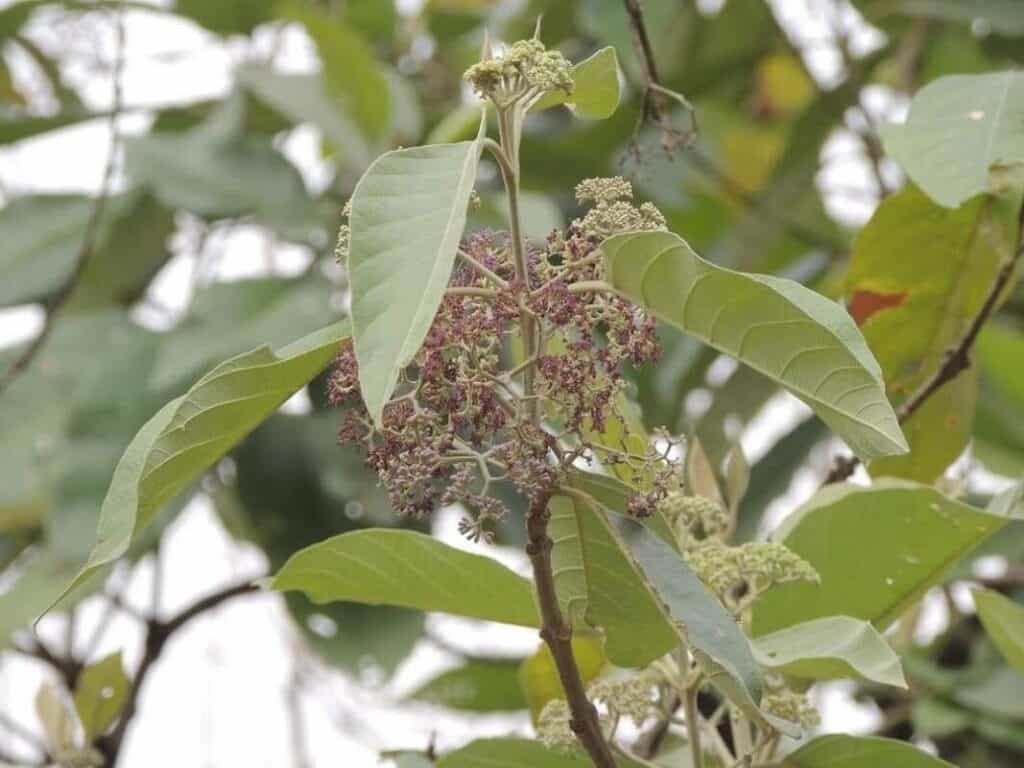
Unveiling the Secrets of Propagation: How to Grow Your Own Majestic Beautyberry Tree (Callicarpa arborea)
The Beautyberry Tree, also known as Callicarpa arborea, is a visual delight. Unlike its more common shrub cousins, this tree can reach impressive heights, gracing your garden with lush green foliage and culminating in a breathtaking display of vibrant purple berries in the fall. While finding this majestic tree in your local nursery might be a stroke of luck, propagating your own is a rewarding endeavor that’s well within reach.
Let’s delve into the captivating world of Callicarpa arborea propagation and unlock the secrets to cultivating this botanical treasure.
Two Paths to Propagation:
Callicarpa arborea generously offers two primary methods of propagation:
1. Seed Propagation:
- Harvesting the Treasure: Your journey begins in autumn when the eye-catching purple berries adorn the tree. Collect mature berries and gently extract the tiny seeds within.
- Breaking Dormancy’s Grip: Like many treasures, these seeds are protected by a hard outer shell and require a period of cold stratification. Mimic nature’s touch by placing the seeds in a moist paper towel within a sealed plastic bag. Store them in your refrigerator (around 4°C or 39°F) for 6-8 weeks, allowing them to awaken from their slumber.
- Sowing the Seeds: Once spring arrives, prepare small pots filled with a well-draining seed starting mix. Plant the seeds about 1/2 inch deep and keep the soil consistently moist but not waterlogged.
- Patience is Key: Germination can be a leisurely process, sometimes taking a few weeks to a couple of months. Providing warmth and indirect sunlight will encourage the seeds to sprout.
- Transplanting to Freedom: When your seedlings boast a few sets of true leaves, they are ready to be transplanted into individual pots or directly into your garden, ideally after the last frost.
2. Semi-Hardwood Cuttings:
For those seeking a faster route to a flourishing Callicarpa arborea, semi-hardwood cuttings offer a shortcut:
- The Art of Timing: Late summer or early fall, when new growth starts to harden slightly, is the perfect time to take cuttings.
- Selecting Your Cuttings: Choose healthy, non-flowering stems that are about 4-6 inches long.
- Preparing the Cuttings: Remove the lower leaves, leaving a couple at the top. Make a clean cut just below a leaf node and dip the cut end in rooting hormone for an extra boost.
- Planting the Cuttings: Fill a pot with a well-draining mix of peat moss and perlite. Create a hole in the center and gently insert your cutting, ensuring the leaf nodes are buried.
- Nurturing Growth: Place the pot in a warm, humid environment, such as a propagator or under a plastic bag. Make sure the soil remains consistently moist.
- Rooting Success: In a few weeks, you should notice new growth, a telltale sign that your cutting has developed roots.
- Transplantation Time: Once the roots establish themselves, usually after a couple of months, you can transplant your rooted cutting into its permanent home, either a pot or your garden.
Caring for Your Callicarpa Arborea:
Regardless of your chosen propagation method, Callicarpa arborea thrives in well-drained soil and a location that receives at least 6 hours of sunlight. Regular watering, especially during dry spells, is crucial. While generally pest-free, keep an eye out for aphids and spider mites, addressing infestations promptly.
Reap the Rewards:
With a bit of patience and care, you’ll soon be rewarded with the majestic beauty of a mature Callicarpa arborea. Imagine the captivating display of purple berries in your garden, attracting a symphony of birdsong and adding a touch of natural wonder to your surroundings. The joy of propagating your own Callicarpa arborea lies not only in witnessing the miracle of growth but also in knowing that you nurtured this magnificent tree from its very beginnings.