
Unlocking the Secrets of Greene’s Mariposa Lily: A Propagation Primer
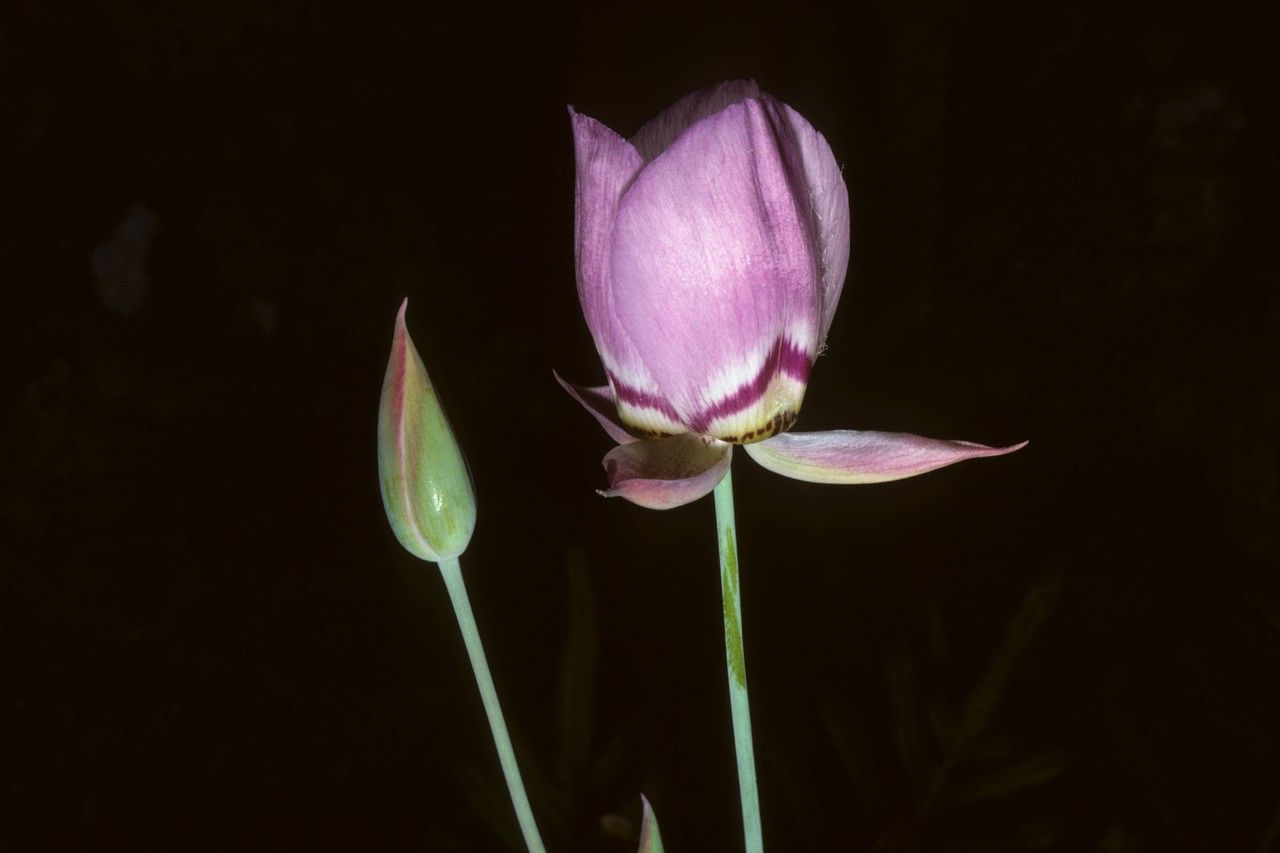
Calochortus greenei, affectionately known as Greene’s mariposa lily, is a botanical gem native to the western United States. This captivating wildflower, with its striking, intricately patterned petals and delicate demeanor, has stolen the hearts of plant enthusiasts everywhere. But cultivating Greene’s mariposa lily can feel like navigating uncharted territory. Fear not, fellow plant lovers, for we’re about to demystify the art of propagating this enchanting species!
The Two Paths: Seeds vs. Bulbs
Like many of its kin in the lily family, Calochortus greenei can be propagated through both seeds and bulbs. Each method presents its own unique set of rewards and challenges:
1. The Seed Route: Patience is a Virtue
Propagating from seed offers a rewarding journey for those who revel in the miracle of witnessing life unfold from the very beginning. However, this method demands patience, as it can take several years for your seedlings to flower.
Here’s a step-by-step guide to seed propagation:
- Harvesting: Collect mature seed capsules in late spring or early summer, just as they begin to turn brown and papery.
- Sowing: Sow seeds in autumn in well-draining seed starting mix. Surface sow or barely cover them with the mix.
- Cold Stratification: Mimic Mother Nature by providing a period of cold stratification. This can be achieved by overwintering pots outdoors or in a refrigerator (around 40°F) for at least 3 months.
- Germination: Be patient! Germination can be erratic, with some seeds sprouting in the first spring and others taking a year or more.
- Care: Water seedlings sparingly, allowing the soil to dry slightly between waterings. Transplant seedlings to individual pots or your garden once they are large enough to handle.
2. The Bulb Path: A Shortcut to Blooms
For the instant gratification gardeners among us, propagating via bulb offsets is the way to go. While this method provides quicker results, it requires a mature, established plant to offer up its bounty.
Follow these steps for successful bulb propagation:
- Timing is Key: Divide bulbs in late summer or early fall when the plant is dormant.
- Gentle Division: Carefully dig up the parent plant and gently separate offsets from the main bulb. Ensure each offset has a visible growing point.
- Replanting: Replant offsets immediately in well-draining soil, ensuring the growing point is facing upwards. Space them a few inches apart.
- Water Wisely: Water sparingly until new growth emerges in spring.
Essential Tips for Success
No matter which propagation method you choose, these tips will increase your chances of success:
- Well-Draining Soil is Paramount: Greene’s mariposa lily despises soggy feet. Opt for a well-draining soil mix specifically formulated for bulbs or amend your soil with perlite or coarse sand.
- Sun is Their Friend: These sun-loving beauties thrive in full sun to partial shade. Aim for at least 6 hours of sunlight per day.
- Don’t Be a Water Hog: Calochortus greenei prefers dry conditions. Water deeply but infrequently, allowing the soil to dry out between waterings.
- Winter Dormancy is Crucial: These lilies need a period of winter dormancy. If you live in a warmer climate, consider lifting the bulbs and storing them in a cool, dry place over winter.
Propagating Calochortus greenei requires a bit of finesse, but the rewards are well worth the effort. By understanding the nuances of their lifecycle and providing the right conditions, you can watch in awe as these exquisite wildflowers grace your garden with their ephemeral beauty for years to come.