
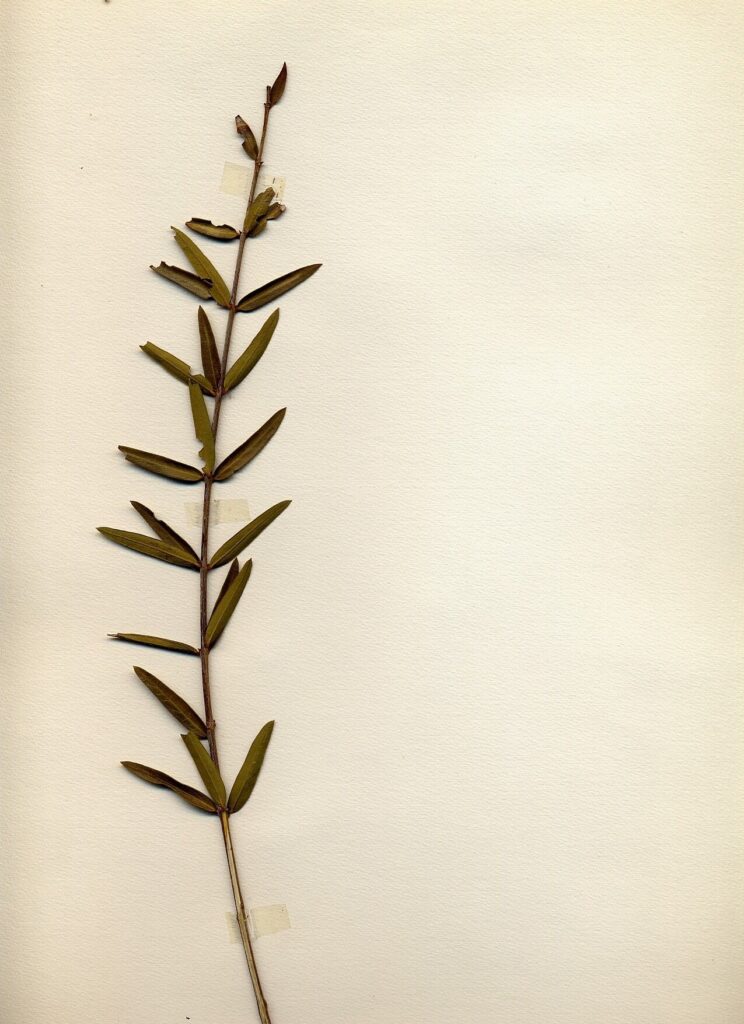
Cracking the Code: Propagating the Endangered Beauty, Calophyllum lanigerum
The Calophyllum lanigerum, also known as the “bintangor laut” or “poon,” is not your average houseplant. This critically endangered tree, native to the rainforests of Southeast Asia, boasts vibrant green leaves, delicate white flowers, and a fascinating backstory as a source of potential anti-cancer compounds.
If you’re up for the challenge of cultivating this rare gem and contributing to its conservation, then understanding its propagation is key. Be warned, it’s not for the faint of heart!
Method 1: The Seed of Hope (and Patience)
- Source: Obtaining seeds can be tricky due to the tree’s endangered status. Reputable nurseries specializing in rare or endangered species are your best bet.
- Viability: Calophyllum seeds have a short lifespan, so freshness is crucial. Look for plump, healthy seeds without blemishes.
- Germination: Patience is a virtue here.
- Soak: Start by soaking seeds in lukewarm water for 24-48 hours to enhance germination.
- Sow: Plant seeds in a well-draining seed starting mix, burying them about an inch deep.
- Environment: Maintain warmth (around 75-80°F) and high humidity. A seedling heat mat and humidity dome can be helpful.
- Time: Germination can take anywhere from a few weeks to several months. Don’t lose hope!
Method 2: Branching Out with Cuttings
- Timing: Early morning during the growing season is ideal when the plant’s energy is highest.
- Selection: Choose healthy, semi-hardwood cuttings about 4-6 inches long with several nodes.
- Preparation: Remove leaves from the lower portion of the cutting, leaving a few at the top. Dip the cut end in rooting hormone to encourage root development.
- Planting: Insert the cutting into a pot filled with a well-draining, sterile rooting mix.
- Care: Keep the cutting consistently moist and provide bright, indirect light.
- Rooting: This method can also be slow, taking several weeks for roots to establish.
Challenges and Tips:
- Fungal sensitivity: Calophyllum lanigerum is susceptible to fungal diseases, so good air circulation and a sterilized growing medium are crucial.
- Pest watch: Keep an eye out for common pests like aphids and mealybugs, especially on young plants.
- Slow growth: This species is known to be slow-growing, so don’t be discouraged if you don’t see immediate results.
- Rewards of conservation: Successfully propagating Calophyllum lanigerum not only brings you the joy of nurturing a rare species but also contributes to its preservation for future generations.
Propagating Calophyllum lanigerum is undoubtedly a labor of love. However, the rewards of witnessing this magnificent tree flourish, knowing you played a role in its survival, are immeasurable. So, embrace the challenge, summon your inner botanist, and embark on this rewarding journey of conservation through propagation.