
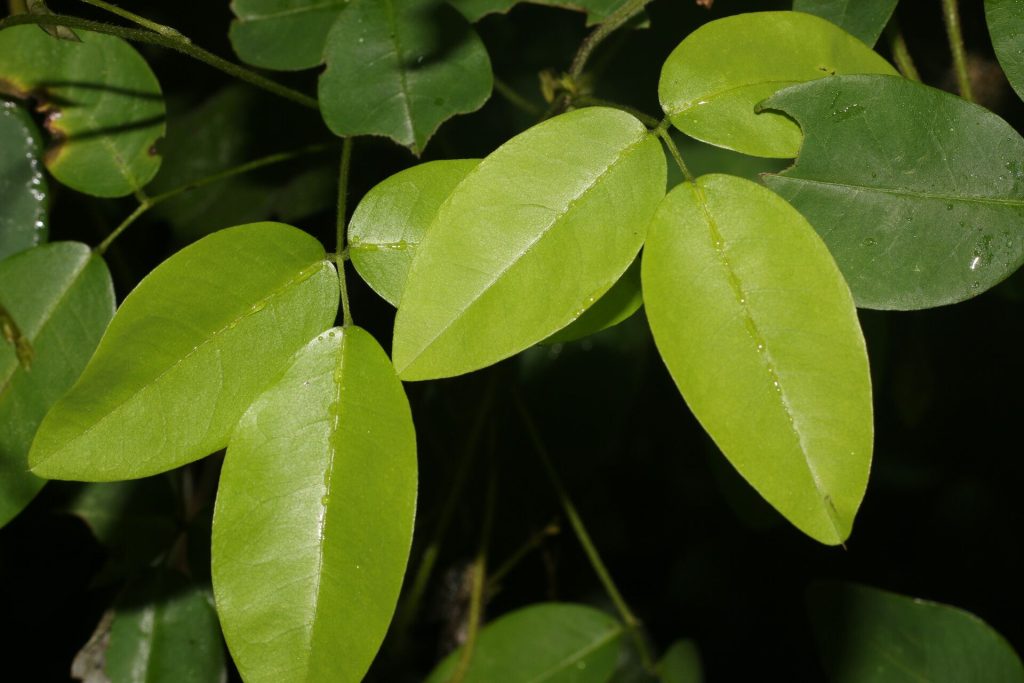
Propagating Calopogonium galactioides: A Gardener’s Guide
Introduction:
Calopogonium galactioides, commonly known as Milky Calopogonium or simply Calopogonium, is a vigorous, perennial legume prized for its rapid growth and ability to improve soil fertility. Its attractive, milky-white to pale purple flowers and trailing habit make it a desirable groundcover in tropical and subtropical gardens. However, despite its popularity, propagating Calopogonium can present challenges, making successful cultivation all the more rewarding. Its ability to fix nitrogen in the soil adds to its horticultural significance, making it a valuable addition to ecological gardens and agricultural systems. The unique aspects of its propagation stem from its robust growth tendencies and the variability in success across different methods.
Seed Germination:
Currently, there are no known reliable methods for seed germination propagation of Calopogonium galactioides. While seeds are produced, germination rates are extremely low, and successful establishment from seed is rarely reported. Further research into seed treatment techniques, such as scarification or specific hormonal treatments, might improve germination rates. However, currently this method is not considered viable for practical propagation.
Cuttings:
Cuttings represent a more reliable method for propagating Calopogonium galactioides.
- Challenges: Although relatively straightforward, success depends on environmental conditions. Proper humidity levels are crucial to prevent desiccation before rooting occurs. The age and health of the parent plant also affect the success rate of cuttings.
- Practical Tips: Take semi-hardwood cuttings, about 4-6 inches long, from healthy stems during the actively growing season. Remove lower leaves to prevent rotting. Dip the cut ends in a rooting hormone solution. Plant the cuttings in a well-draining propagation mix, ensuring high humidity using a plastic bag or humidity dome. Place them in a warm, shaded area.
- Rewards: Cuttings offer a relatively fast method of propagation, maintaining the genetic characteristics of the parent plant. This is particularly beneficial for preserving desirable cultivars or traits.
Division:
Dividing established Calopogonium plants is another feasible propagation technique.
- Challenges: This method only works with mature, well-established plants. Dividing too early can weaken the parent plant and reduce the chances of successful establishment of the divisions.
- Practical Tips: Carefully dig up the mature plant and gently separate it into smaller sections, ensuring each section has sufficient roots and stems. Replant the divisions immediately, providing moist, well-drained soil and adequate watering.
- Rewards: Division is quick and efficient for large-scale propagation. It avoids the extended period required for rooting cuttings, providing a quicker increase in plant numbers.
Tissue Culture:
Tissue culture offers the potential for large-scale, rapid propagation of Calopogonium galactioides, overcoming the limitations of seed germination and other methods.
- Challenges: Tissue culture requires specialized equipment, sterile conditions, and expertise. It can be expensive and labor-intensive, making it unsuitable for small-scale gardening. Optimal media and growth regulators need to be determined for successful propagation.
- Practical Tips: This method requires a controlled environment, sterile lab conditions, and nutrient-rich media tailored to the specific needs of the plant. Research on the specific needs of Calopogonium for tissue culture would be required to develop a successful protocol.
- Rewards: Tissue culture offers the highest potential for mass propagation, generating numerous genetically identical plants from a small amount of source material.
Conclusion:
Propagating Calopogonium galactioides presents a variety of challenges depending on the chosen method. Seed propagation is currently not viable. Cuttings and division offer practical alternatives for most gardeners, while tissue culture promises large-scale propagation but requires specialized resources and expertise. The rewards – cultivating a valuable nitrogen-fixing groundcover and experiencing the satisfaction of successfully propagating this challenging plant – are well worth the effort. The unique gratification lies in overcoming the propagation hurdles and witnessing the vigorous growth and spread of this beautiful and ecologically beneficial legume. Don’t be discouraged by initial setbacks; experimentation and perseverance will eventually lead to success. Remember to adapt your approach based on your available resources and experience level.