
Unlocking the Secrets of the Cupseed: A Guide to Propagating Calycocarpum lyonii
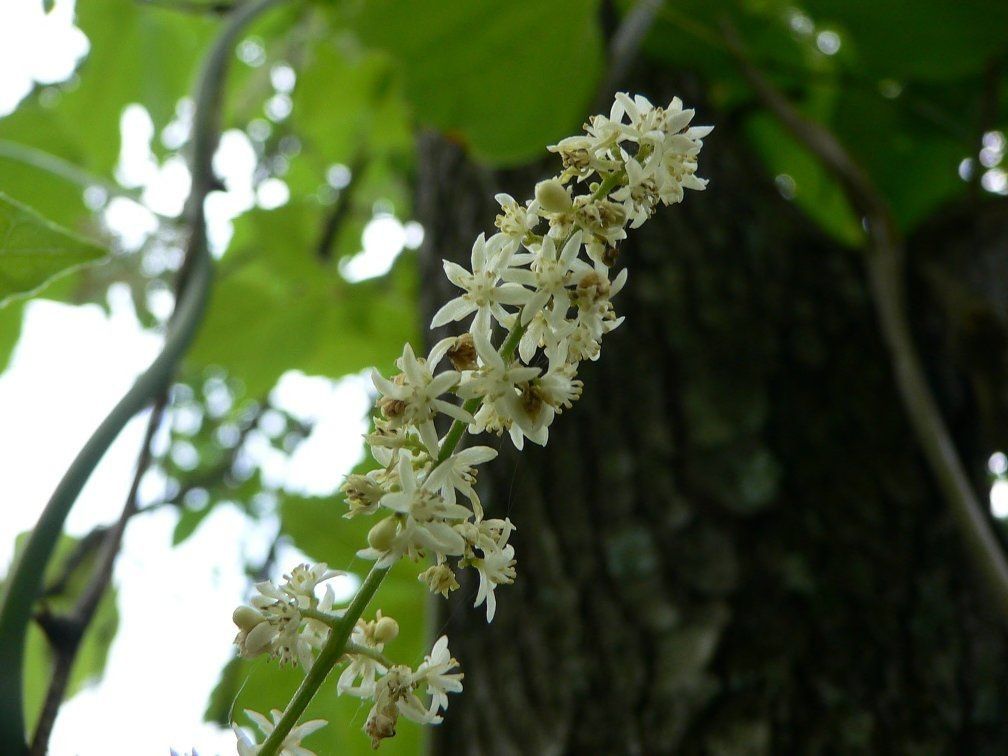
The Calycocarpum lyonii, affectionately nicknamed the “Cupseed” due to its distinctive fruit, is a rare and beautiful climbing vine native to the southeastern United States. Adorned with large, star-shaped leaves and fascinating blooms, it’s a captivating addition to any garden lucky enough to host it. But how do you welcome this elusive beauty to your own green haven? Let’s unravel the mysteries of propagating Calycocarpum lyonii.
Navigating the Two Paths: Seed vs. Cuttings
Like many plants, the Cupseed offers two main avenues for propagation: seeds and cuttings.
1. Seeds: The Path Less Traveled (But Rewarding!)
While considered slightly more challenging, growing Calycocarpum lyonii from seed allows you to witness the entire life cycle of this remarkable plant.
- Source Your Seeds: Seeds can be a bit tricky to come by, as the Cupseed is relatively rare in cultivation. However, you might find some from reputable online retailers specializing in native plants.
- Breaking Dormancy: Scarification and Stratification: Cupseed seeds possess a hard outer coating and require both scarification (scratching or nicking the seed coat) and cold stratification (exposing the seeds to cold temperatures) to break dormancy and encourage germination.
- Scarification: Gently rub the seed against sandpaper or nick it with a nail clipper.
- Stratification: Mix the scarified seeds with damp vermiculite or sand and store them in a sealed bag in the refrigerator for 6-8 weeks.
- Sowing: After stratification, sow the seeds in a well-draining seed starting mix, lightly covering them with soil. Keep the medium consistently moist and place the container in a warm, bright location.
- Patience is Key: Germination can be slow and sporadic, often taking several weeks or even months. Don’t lose hope!
2. Cuttings: A Faster Track to Success
Propagating Calycocarpum lyonii from cuttings offers a quicker and often more reliable method.
- Timing is Everything: The ideal time to take cuttings is during the plant’s active growing season, typically in late spring or early summer.
- Selecting the Right Cuttings: Look for healthy, non-flowering stems that are about 4-6 inches long. Using clean, sharp pruning shears, make a cut just below a leaf node.
- Promoting Root Development: Remove the lower leaves from the cutting, leaving 2-3 leaves at the top. Dipping the cut end in rooting hormone powder can help encourage root growth.
- Planting and Care: Insert the cuttings into a well-draining rooting medium, such as a mix of perlite and peat moss. Keep the medium consistently moist but not waterlogged. A humidity dome or covering the pot with a clear plastic bag can help create a warm, humid environment to encourage rooting.
- Transplanting: In about 4-6 weeks, your cuttings should have developed roots. Gently tug on the cutting – resistance indicates successful rooting. Once rooted, transplant the cuttings into individual pots filled with a well-draining potting mix and continue to provide adequate moisture and indirect sunlight.
Nurturing Your Cupseed
Whether you choose seeds or cuttings, remember that Calycocarpum lyonii thrives in moist, well-drained soil and partial shade. Once established, it’s a relatively low-maintenance plant that can tolerate a variety of conditions.
Propagating the Cupseed might require a bit of patience and care, but the reward of nurturing this rare and captivating vine is well worth the effort. So why not embrace the challenge and welcome the unique beauty of Calycocarpum lyonii into your own green sanctuary?