
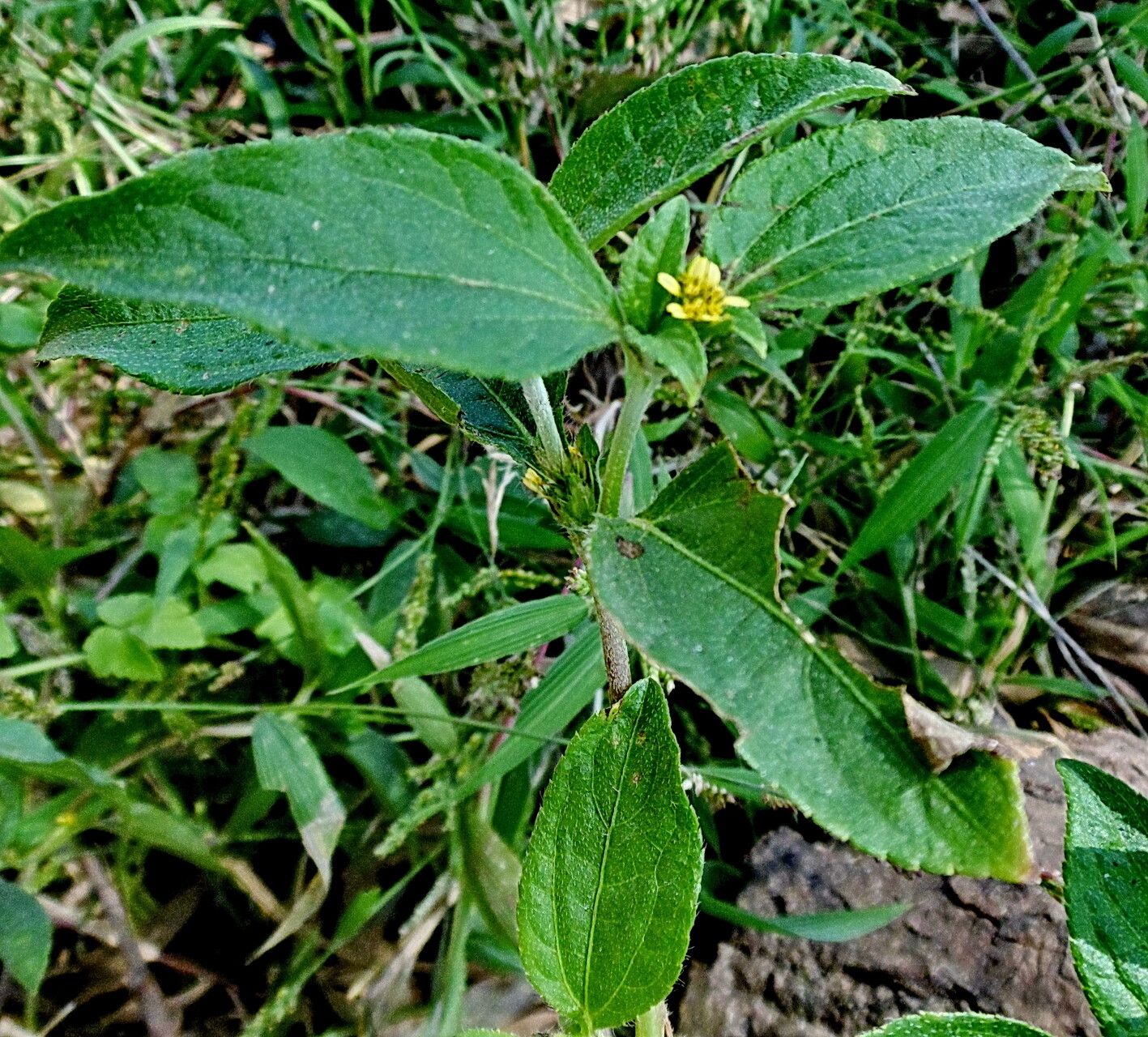
Spreading the Sunshine: Easy Propagation Techniques for Straggler Daisy (Calyptocarpus vialis)
The Straggler Daisy (Calyptocarpus vialis), also known as the creeping daisy or yerba de tajo, is a charming groundcover that brings a burst of sunshine to gardens and landscapes. This hardy plant, native to the southern United States, Central America, and parts of South America, is beloved for its cheerful yellow blooms, fast-growing nature, and ability to thrive in challenging conditions. But did you know that propagating your own straggler daisies is surprisingly simple? Let’s delve into the world of straggler daisy propagation and discover how you can easily multiply your stock and spread the sunny joy!
Propagation Methods:
Straggler daisies are incredibly versatile when it comes to propagation, offering you two primary methods:
1. Seeds:
- Collecting Seeds: Straggler daisies readily self-seed, so you’ll often find new seedlings popping up around established plants. Collect mature seeds from dried flower heads in late summer or fall.
- Sowing Seeds: You can sow seeds directly into your garden after the last frost or start them indoors 6-8 weeks before the last expected frost date.
- Seed Starting Tips: Lightly press the seeds into the soil surface, ensuring they receive adequate light for germination. Maintain consistently moist soil.
2. Cuttings:
- Taking Cuttings: Taking cuttings is arguably the easiest and most efficient way to propagate straggler daisies. Using clean, sharp shears, take 3-4 inch stem cuttings from healthy, non-flowering stems.
- Preparing Cuttings: Remove the lower leaves from the cutting, leaving a couple of sets at the top.
- Rooting the Cuttings: You have two options for rooting:
- Water Propagation: Place the cuttings in a jar or glass with water, ensuring the leaf nodes (bumps on the stem where leaves grow) are submerged. Change the water every few days. Roots should appear in 1-2 weeks.
- Soil Propagation: Plant the cuttings in a well-draining potting mix, burying the bottom leaf node. Keep the soil consistently moist.
Transplanting and Care:
- Transplanting Seedlings: Once your seedlings or rooted cuttings have developed a robust root system, it’s time to transplant them.
- Choosing a Location: Straggler daisies thrive in full sun to partial shade and prefer well-drained soil. They can even tolerate poor soil conditions!
- Spacing and Planting: Space your new plants about 12-18 inches apart. Water deeply after planting.
Enjoying the Rewards:
Straggler daisies are relatively low-maintenance plants. While drought-tolerant once established, regular watering will encourage more prolific blooming. Pinching back the plants occasionally will promote bushier growth.
By following these simple propagation methods, you can easily expand your straggler daisy collection and enjoy a vibrant display of cheery blooms year after year. Whether you choose to start from seed or cuttings, the process is rewarding and allows you to share the joy of these sunny flowers with friends and fellow garden enthusiasts. So go ahead, propagate those daisies, and let your garden be a beacon of sunshine!