
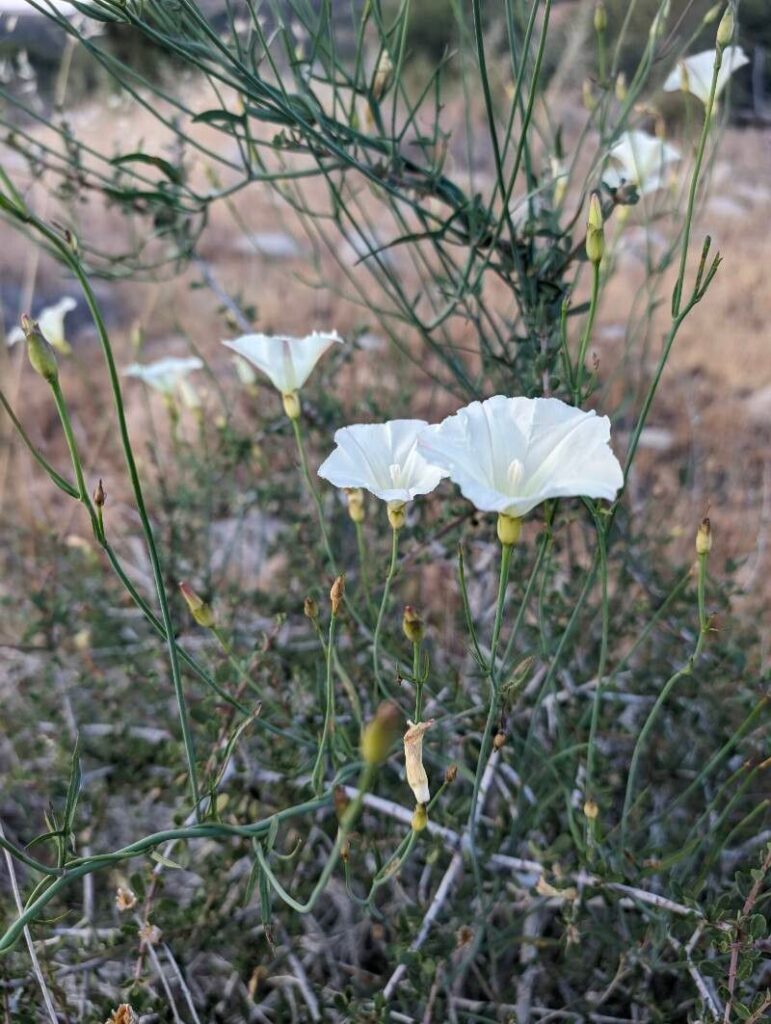
Taming the Wild Beauty: How to Propagate Calystegia longipes (False Bindweed)
The Calystegia longipes, more commonly known as False Bindweed, is a captivating plant with twining stems and delicate, white trumpet-shaped flowers. While often mistaken for its more aggressive cousin, the true Bindweed (Convolvulus arvensis), this North American native offers a more well-behaved climbing charm, perfect for adding a touch of wild elegance to gardens.
If you’re captivated by this graceful climber and want to welcome it into your green space, there are a couple of effective ways to propagate Calystegia longipes, both offering satisfying results for gardeners of different skill levels.
Method 1: Taking Root Cuttings
This method, ideal during the dormant season (late fall or early spring), involves harnessing the plant’s robust root system:
- Careful Extraction: Gently unearth a section of established Calystegia longipes, ensuring you select healthy, firm roots.
- Divide and Conquer: Using a sharp, clean knife or pruning shears, cut the roots into sections roughly 2-3 inches long.
- Prepare the Planting Medium: Choose a well-draining potting mix or create your own using a combination of peat moss, perlite, and vermiculite.
- Plant the Cuttings: Position the root sections horizontally in your chosen medium, burying them about an inch deep.
- Patience is Key: Water the cuttings lightly and place them in a warm, bright location out of direct sunlight. It may take several weeks for new growth to emerge.
Method 2: Propagating from Seed
While less common, propagating Calystegia longipes from seed can be a rewarding experience:
- Seed Collection: Wait until the flowers fade and small seed pods develop. Allow the pods to dry on the vine before collecting them.
- Seed Preparation (Optional): To enhance germination rates, lightly scarify the seeds. This involves gently rubbing them between two pieces of sandpaper to break down the hard outer layer.
- Sowing the Seeds: Fill seed trays or small pots with a well-draining seed starting mix. Sow the seeds approximately ¼ inch deep and lightly mist the soil.
- Provide Warmth and Light: Place the trays in a warm, bright location. Maintaining consistent moisture is crucial for germination, which can take anywhere from a few weeks to a few months.
Caring for your new Calystegia longipes:
Once your new plants are established, they are relatively low-maintenance. Provide them with:
- Support Structure: A trellis, fence, or obelisk will encourage their natural climbing habit.
- Well-Drained Soil: Ensure good drainage to prevent root rot.
- Moderate Watering: Water regularly, allowing the soil to dry slightly between waterings.
- Sunlight: While they can tolerate partial shade, Calystegia longipes thrives in full sunlight.
With proper care and attention, your propagated Calystegia longipes will reward you with their delicate beauty, transforming your garden into a captivating sanctuary of twining vines and graceful flowers. Just remember to keep a watchful eye on their growth, as even this well-behaved bindweed can become enthusiastically widespread in the right conditions.