
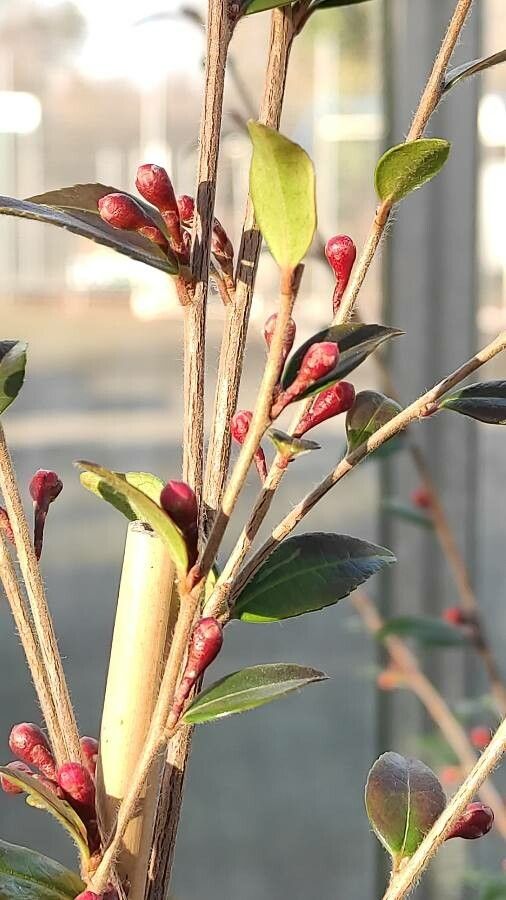
Unveiling the Secrets of Camellia rosthorniana Propagation: A Guide for Enthusiasts
Camellia rosthorniana, with its elegant, single white blooms and lush, deep green foliage, is a sight to behold. This lesser-known gem, native to China, has captured the hearts of plant lovers seeking a touch of exoticism in their gardens. While admiring its beauty is one thing, wouldn’t it be even more rewarding to multiply your Rosthornian camellia and share its splendor?
This comprehensive guide will unravel the mysteries of propagating Camellia rosthorniana, empowering even novice gardeners to cultivate these beauties from scratch.
Two Roads to Success: Seed vs. Cuttings
When it comes to propagating Camellia rosthorniana, you have two primary options: starting from seed or taking cuttings. Each method has its own set of advantages and challenges:
1. Seeds: Embracing the Spirit of Diversity
- Pros:
- Seeds offer the potential for unique variations in flower form and color, adding an element of surprise and diversity to your garden.
- It’s a cost-effective way to obtain multiple plants.
- Cons:
- Seeds can take several years to mature and produce flowers.
- They might not always inherit the desirable traits of the parent plant.
- Process:
- Collect mature seeds from seed pods in autumn.
- Sow seeds in a well-draining seed-starting mix and keep them consistently moist.
- Patience is key, as germination can take several weeks to months.
2. Cuttings: Replicating Floral Perfection
- Pros:
- Cuttings guarantee an exact replica of the parent plant, retaining its desirable characteristics.
- They mature and bloom faster than seed-grown plants.
- Cons:
- Success rates can vary depending on factors like timing and environmental conditions.
- Process:
- Take semi-hardwood cuttings, approximately 4-6 inches long, from healthy, non-flowering stems in late spring or early summer.
- Remove leaves from the lower portion of the cutting and wound the base slightly to encourage root formation.
- Dip the cut end in rooting hormone (optional but beneficial).
- Plant the cuttings in a well-draining rooting mix and keep them consistently moist and in a humid environment.
- Within a few months, roots should develop, and you can transplant the cuttings into individual pots or your garden.
Nurturing Your New Camellia rosthorniana
Regardless of your chosen propagation method, here are some crucial care tips to help your new Camellia rosthorniana flourish:
- Soil: Opt for well-draining, acidic soil (pH 5.0-6.5).
- Light: Provide partial shade, especially during the hottest hours of the day.
- Water: Water deeply and regularly, keeping the soil consistently moist but not waterlogged.
- Fertilizer: Feed with an acid-loving fertilizer in spring and early summer.
Reaping the Rewards: A Symphony of Elegance
Propagating Camellia rosthorniana might require patience and dedication, but the rewards are immense. Imagine a garden graced by these elegant camellias, their pristine blooms a testament to your nurturing care. So, why not embark on this rewarding journey and add a touch of refined beauty to your green haven?