
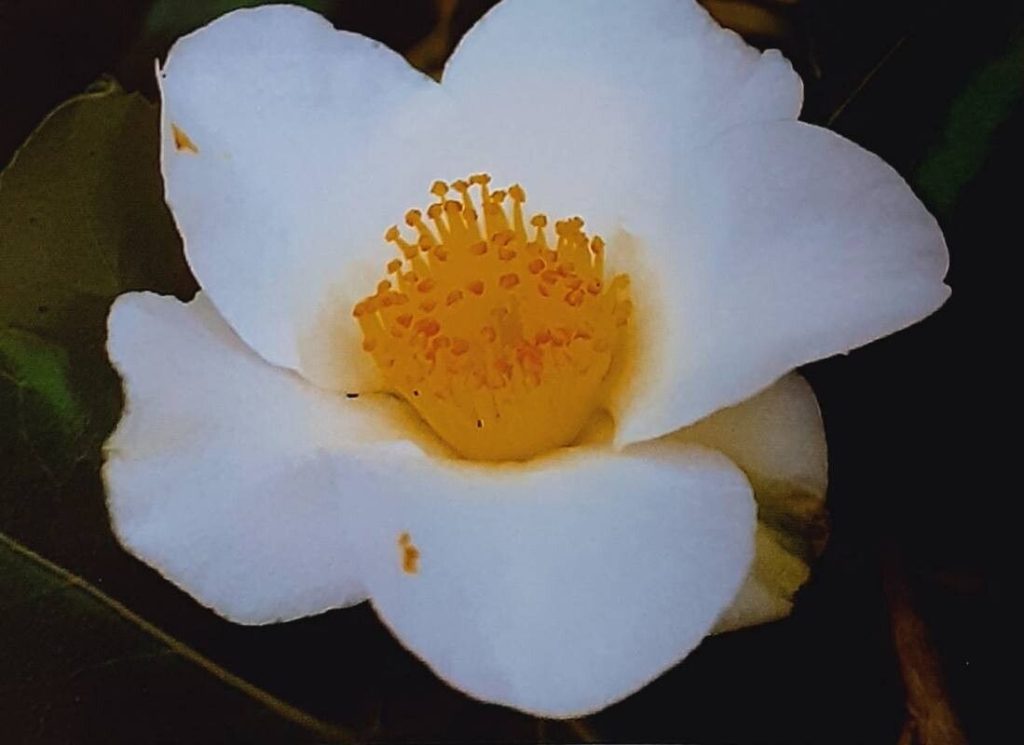
Propagating Camellia × williamsii: A Gardener’s Guide
Camellia × williamsii, often known simply as Williamsii Camellia, is a hybrid resulting from the cross between Camellia japonica and Camellia saluenensis. These elegant shrubs, prized for their profuse, often deliciously fragrant blooms and relatively compact habit, enjoy significant popularity among gardeners. Their tolerance for a broader range of conditions than many camellias, coupled with their beautiful flowers, makes them a desirable addition to any garden. However, propagating these hybrids presents unique challenges, demanding patience and a careful approach.
Seed Germination:
Currently, there are no known reliable methods for seed germination propagation of Camellia × williamsii. While seed production is possible, the resulting seedlings often exhibit significant variation from the parent plant and may not inherit the desirable traits. Furthermore, germination rates are notoriously low and unpredictable, making seed propagation impractical for most gardeners.
Cuttings:
Cuttings are the most common and successful method of propagating Camellia × williamsii. However, it still requires attention to detail.
- Challenges: Camellia cuttings can be slow to root, and success depends heavily on timing and technique. Using inappropriate rooting hormones or failing to maintain consistent humidity and temperature can lead to failure.
- Practical Tips: Take semi-hardwood cuttings (partially matured shoots) in late summer or early autumn. Use a sharp knife or shears to make clean cuts, removing lower leaves to prevent rotting. Dip the cuttings in a rooting hormone (containing IBA) and insert them into a well-draining propagation mix (e.g., a peat/perlite mix). Maintain high humidity (using a propagation cloche or plastic bag) and provide bottom heat (around 70-75°F) to encourage root development. Consistent moisture is crucial without overwatering.
- Rewards: Cuttings reliably produce plants nearly identical to the parent plant, preserving desirable characteristics like flower color and fragrance. This method is suitable for smaller-scale propagation.
Division:
Division is rarely a viable option for propagating Camellia × williamsii. These plants generally have a strong taproot system and are not easily divided without causing significant damage to the mother plant, resulting in decreased vigour or even death.
Tissue Culture:
Tissue culture offers the possibility of large-scale propagation of Camellia × williamsii, allowing for the rapid production of numerous genetically identical plants. However, this method requires specialized equipment, a sterile environment, and expertise in plant tissue culture techniques.
- Challenges: Establishing suitable protocols for this species can be challenging, and contamination is a persistent risk. This method is expensive and time-consuming, requiring specialized knowledge and skills.
- Practical Tips: This method is best left to professionals in tissue culture laboratories.
- Rewards: Tissue culture allows for the mass production of clones, preserving valuable cultivars and making them more readily available. It also offers superior sanitation and reduced risk of disease transmission compared to other propagation methods.
Conclusion:
Propagating Camellia × williamsii presents challenges across all methods. While seed propagation is unreliable, cuttings are the most accessible method for the average gardener, even though it does require patience and attention to detail. Tissue culture provides a solution for large-scale propagation but requires specialist skills and resources. The rewards, however, are immense. Successfully propagating these beautiful plants, whether through cuttings or tissue culture, brings a unique and deep satisfaction. The process itself—from the initial cutting to the first bloom on a newly propagated plant—is deeply rewarding, offering a connection with the natural world and a testament to one’s horticultural skill. For aspiring propagators, I encourage perseverance. Start with cuttings, master the fundamentals, and remember that even experienced growers encounter setbacks. The beauty and elegance of a successfully propagated Camellia × williamsii will more than compensate for the challenges.