
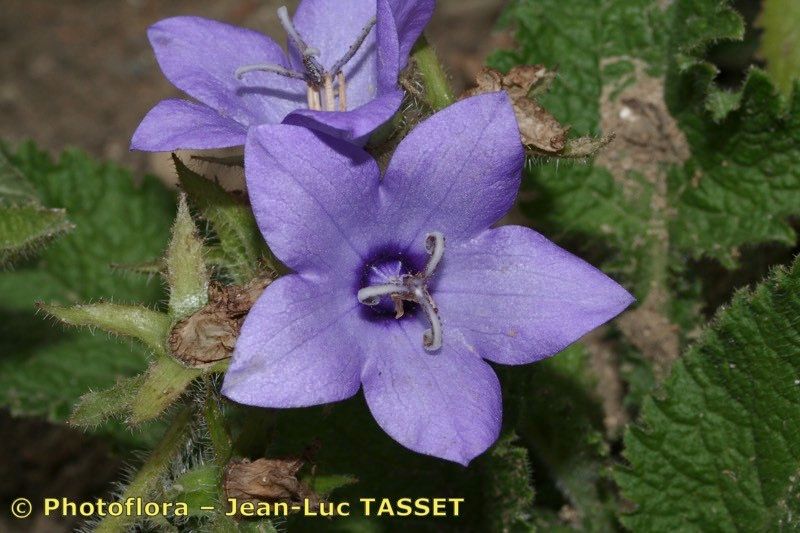
Winged Bellflower’s Secret: Decoding the Art of Propagation
The Campanula alata, also known as the Winged Bellflower, is a captivating bloom with delicate cascading flowers that add a splash of color to any garden. But what happens when you fall head over heels for this beauty and want to share its charm? The answer lies in the world of propagation: the art of creating new plants from existing ones.
The Allure of Propagation
Propagating your own Campanula alata plants is a fulfilling journey, offering several advantages:
- Cost-Effective: Instead of purchasing new plants, you can multiply your existing treasures for free.
- Variety Expansion: Explore the world of Campanula alata cultivars, creating a stunning collection of diverse blooms.
- Genetic Continuity: Preserving the unique characteristics of your beloved plants, ensuring their legacy continues.
Unlocking the Methods: Propagation Choices
For Campanula alata, two primary propagation methods offer success:
1. Seed Propagation: A New Life Cycle Begins
- The Process: Collect ripe seed pods from your existing plants. Sow the seeds in seed trays filled with a lightweight potting mix. Keep the soil consistently moist and warm, providing bright, indirect light.
- Timing: Best undertaken in the spring or early summer.
- Patience is a Virtue: Seed propagation requires patience as seedlings may take several weeks to germinate.
2. Cutting Propagation: A Speedy Shortcut
- The Process: Select healthy, non-flowering stems from your Campanula alata. Cut the stem just below a node (where leaves emerge). Remove the lower leaves and dip the cut end in rooting hormone powder for enhanced rooting. Plant the cutting in a pot filled with well-draining potting mix, keeping the soil consistently moist.
- Timing: Cutting propagation works best in the spring or early summer.
- Root Development: Expect roots to develop within a few weeks.
Tips for Success: Nurturing Your New Plants
- Quality Matters: Use a sterile, well-draining potting mix to prevent fungal growth.
- Light and Temperature: Ensure adequate light and temperatures.
- Watering Wisdom: Keep the soil moist, not soggy.
- Patience is Key: It takes time for cuttings to root and seedlings to emerge.
From Propagations to Garden Jewels:
With dedication and a little patience, you can successfully propagate your Campanula alata and enjoy a vibrant tapestry of Winged Bellflower beauty in your garden. Watch your tiny seedlings develop into strong plants or see new growth sprout from your cuttings. You’ll experience the joy of witnessing the life cycle of these graceful plants unfold, one bloom at a time.
Beyond the Garden: The joy of propagation extends beyond the aesthetic appeal. It’s a connection to nature, a hands-on journey of creation, and a testament to the magic of life, all blooming within your own garden.