
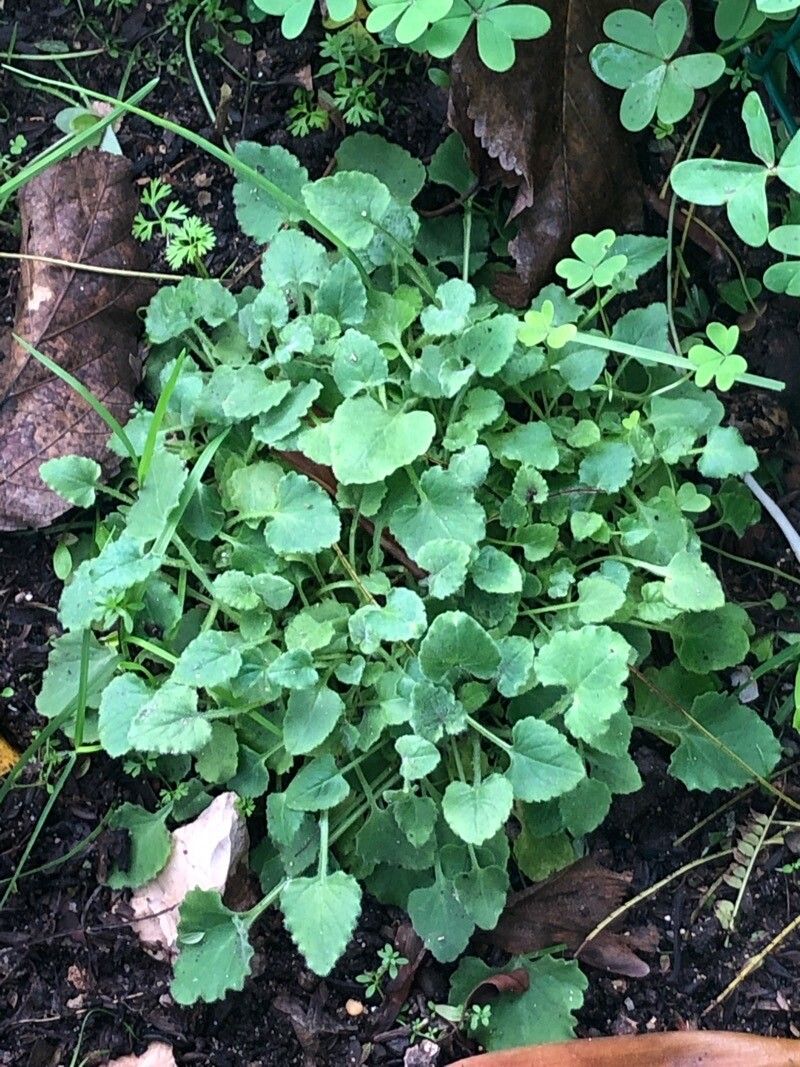
Unveiling the Secrets to Propagating the Enchanting Campanula cymaea
Campanula cymaea, also known as the Chimney Bellflower, is a captivating perennial boasting clusters of elegant, bell-shaped flowers that dance gracefully atop sturdy stems. Its charm lies not only in its visual appeal but also in its ability to thrive in rock gardens, borders, and containers, adding a touch of whimsical elegance to any setting.
If you’ve fallen under the spell of this enchanting flower, you’ll be pleased to know that propagating Campanula cymaea is an achievable feat, allowing you to multiply your floral treasures and share the beauty with fellow gardening enthusiasts. Let’s delve into the various methods that will empower you to cultivate new life from your beloved Campanula cymaea:
1. Seed Starting: A Rewarding Journey From Tiny Seeds to Blooming Beauties
- Timing is Key: Spring is the optimal time to sow Campanula cymaea seeds indoors, providing ample time for seedlings to establish themselves before the arrival of warmer weather.
- Sowing the Seeds: Utilize a seed starting mix that offers excellent drainage. Sprinkle the seeds lightly over the surface and gently press them down, ensuring they receive adequate light for germination.
- Patience is a Virtue: Germination typically takes around 2-3 weeks. Maintain consistent moisture throughout this period by misting the soil regularly.
- Transplanting Triumph: Once the seedlings have developed a few true leaves, they are ready to be transplanted outdoors after the last frost has passed.
2. Division: Expanding Your Floral Family with Ease
- The Perfect Time: Spring or early fall presents the ideal conditions for dividing Campanula cymaea.
- Gentle Separation: Carefully lift the plant from the ground, ensuring minimal disturbance to the roots. Using a clean, sharp knife or garden shears, divide the plant into smaller sections, each containing a healthy set of roots and shoots.
- Replanting and Nurturing: Plant the divided sections at the same depth they were originally growing and water them thoroughly.
3. Cuttings: Cloning Your Campanula cymaea for Continued Beauty
- Prime Time for Cuttings: Early summer is the optimal period to take cuttings from your Campanula cymaea.
- Selecting the Perfect Cuttings: Choose healthy, non-flowering stems that are approximately 3-4 inches long. Make a clean cut just below a leaf node.
- Encouraging Root Development: Remove the lower leaves from the cuttings and dip the cut end in rooting hormone to stimulate root growth.
- Planting the Cuttings: Insert the cuttings into a well-draining potting mix.
- Maintaining Moisture and Humidity: Cover the cuttings with a plastic bag or humidity dome to create a warm, moist environment that promotes rooting. Roots typically develop within a few weeks.
- Transplanting with Care: Once the cuttings have rooted, they can be transplanted into individual pots or directly into the garden.
Essential Care Tips for Thriving Campanula cymaea:
- Sunlight Requirements: Campanula cymaea thrives in full sun to partial shade.
- Soil Preferences: Well-drained soil is crucial for healthy growth.
- Watering Wisdom: Water regularly, allowing the soil to dry out slightly between waterings.
- Fertilization for Optimal Growth: Fertilize regularly during the growing season with a balanced fertilizer.
- Deadheading for Prolonged Blooms: Remove spent flowers regularly to encourage continuous blooming.
By following these propagation techniques and providing the essential care your Campanula cymaea needs, you can cultivate a flourishing garden brimming with these stunning bell-shaped beauties. Enjoy the journey of witnessing new life emerge and the satisfaction of expanding your floral collection with minimal effort and maximum reward.