
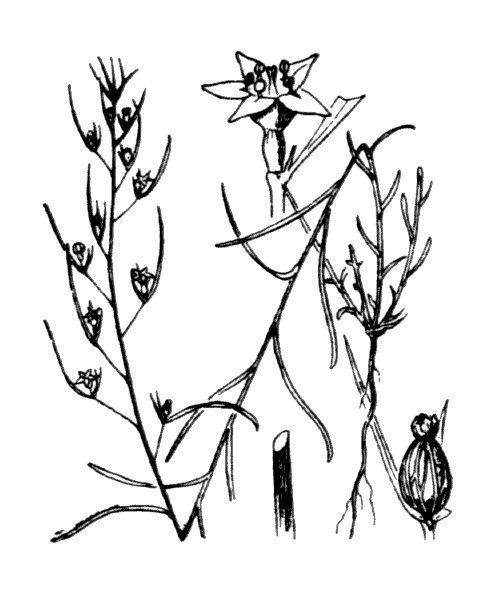
Unlocking the Secrets of Thesium kyrnosum: A Propagation Puzzle
Thesium kyrnosum, a captivating but lesser-known flowering plant, is a botanical puzzle waiting to be solved. Its delicate, green flowers and parasitic nature make it a fascinating subject for plant enthusiasts. But if you’re dreaming of adding this unique specimen to your garden, be warned: propagation is not for the faint of heart.
Understanding the Challenge:
Unlike many plants that readily sprout from seeds or cuttings, Thesium kyrnosum throws a unique curveball – it’s a hemiparasite. This means it can produce its own food through photosynthesis, but it also relies on tapping into the roots of neighboring plants for essential nutrients. This dual nature adds complexity to its propagation.
Method 1: The Seed Route (and its Hurdles):
Thesium kyrnosum does produce seeds, offering a potential propagation method. However, these seeds are notoriously fickle. Here’s what you’re up against:
- Freshness is Key: Seeds need to be incredibly fresh, ideally collected within days of maturing.
- Host Plant Proximity: Remember the parasitic nature? Germinating seeds need to be sown in close proximity to a compatible host plant. Research is still ongoing to determine the ideal host species.
- Mimicking Nature’s Nursery: Replicating the natural conditions Thesium kyrnosum seeds need to germinate is crucial. This includes well-draining soil, adequate moisture, and potentially even specific soil microorganisms.
Method 2: The Elusive Cutting:
Propagating Thesium kyrnosum from cuttings is rarely attempted and lacks documented success. This is likely due to its hemiparasitic nature, making it difficult for a cut portion to survive without an established host connection.
A Call for Collaboration:
The reality is that successfully propagating Thesium kyrnosum remains a challenge for both hobbyists and experts. This is where the beauty of the plant world shines – in the shared pursuit of knowledge. By documenting our attempts, sharing experiences, and perhaps collaborating with botanical researchers, we can unlock the secrets of successfully cultivating this captivating species.
Joining the Quest:
Here are some ways you can contribute to unraveling the mystery of Thesium kyrnosum propagation:
- Document Your Attempts: Keep detailed records of your propagation methods, including seed sources, soil composition, host plants used, and any observed successes or failures.
- Connect with Other Enthusiasts: Join online forums, plant societies, or social media groups dedicated to unusual plants. Share your experiences and learn from others.
- Reach Out to Experts: Don’t hesitate to contact local botanical gardens or university researchers specializing in parasitic plants. They may have valuable insights or be interested in your observations.
While the journey to successfully propagate Thesium kyrnosum might be long and winding, the reward of cultivating this botanical enigma is a prize worth striving for. Who knows, your efforts might be the key to unlocking its secrets!