
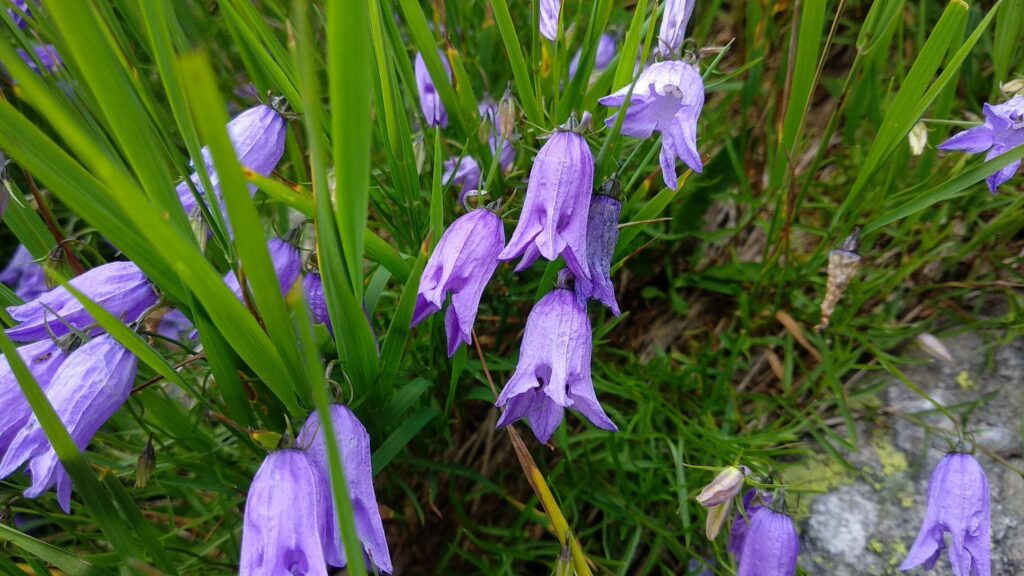
Propagating the Cut-leaved Bellflower (Campanula excisa): A Gardener’s Guide
Introduction:
Campanula excisa, commonly known as the cut-leaved bellflower, is a charming alpine plant prized for its delicate, star-shaped, lavender-blue flowers and finely dissected foliage. Its cascading habit makes it a delightful addition to rock gardens, alpine houses, and containers. While readily available commercially, propagating Campanula excisa offers a rewarding challenge for enthusiastic gardeners, allowing them to expand their collections and share this beautiful plant. Its relatively small size and specific habitat preferences influence the propagation methods that are likely to be successful.
Seed Germination:
Currently, there are no known reliable methods for seed germination propagation of Campanula excisa. While seed production may occur, germination rates are reportedly extremely low, and successful cultivation from seed remains elusive for most home gardeners. Further research is needed to determine optimal germination conditions, including potential stratification requirements or specific hormonal treatments.
Cuttings:
Cuttings represent a more viable method for propagating Campanula excisa.
Challenges: The success rate can be variable depending on timing and technique. Softwood cuttings are generally preferred, requiring careful handling to avoid damage to the delicate foliage. Maintaining high humidity is crucial to prevent wilting.
Practical Tips: Take softwood cuttings in spring or early summer from non-flowering stems. Use a sharp, clean knife or sterile scissors to make cuttings approximately 5-7cm long, removing lower leaves to prevent rot. Dip the cut ends in rooting hormone powder. Plant the cuttings in a well-draining, moist propagation mix (e.g., a peat and perlite mix). Cover the cuttings with a clear plastic bag or humidity dome to maintain high humidity. Keep the cuttings in a bright, but shaded location. Regular misting maintains moisture levels. Rooting typically takes several weeks.
Rewards: This method provides a relatively quick way to increase the number of plants, maintaining the characteristics of the mother plant.
Division:
Division is an effective propagation method for established Campanula excisa plants during their dormant period, usually autumn or early spring.
Challenges: Careful handling is crucial to avoid damaging the fragile root system. Larger clumps are easier to divide than smaller plants. Over-dividing can lead to weak plants that struggle to establish.
Practical Tips: Gently lift the entire plant from the ground. Carefully separate the plant into smaller divisions, ensuring each division possesses healthy roots and sufficient shoots. Replant the divisions immediately in well-drained, slightly alkaline soil, ensuring that the crown sits just above the soil surface. Water gently after planting.
Rewards: Relatively straightforward method, yielding quick results with established plants maintaining the characteristics of the mother plant.
Tissue Culture:
Tissue culture remains a largely unexplored option for the propagation of Campanula excisa.
Challenges: Establishing sterile conditions and identifying optimal nutrient media would require specialized knowledge and equipment. The success of this method has not been widely documented for this species.
Practical Tips: This method requires a controlled laboratory environment with sterile techniques, nutrient agar, and specialized equipment. It is not generally suitable for home propagation.
Rewards: Tissue culture offers the potential for large-scale propagation and the elimination of disease. However, the high initial investment and technical expertise required make it impractical for most home gardeners.
Conclusion:
Propagating Campanula excisa presents a spectrum of challenges and rewards. While seed germination appears unreliable, cuttings and division offer viable options for the enthusiastic home gardener. The relatively low success rate of cuttings and the need for careful handling when dividing highlight its sensitivities. However, the satisfaction of nurturing a small cutting into a flowering plant, or successfully dividing a mature clump, far outweighs the occasional setback. The unique beauty of this delicate alpine plant makes any effort invested in its propagation worthwhile. Patience, careful observation, and a willingness to experiment are keys to success. Remember that different individuals may have different levels of success based on the conditions where this plant is grown in combination with the conditions and techniques used to propagate it.