
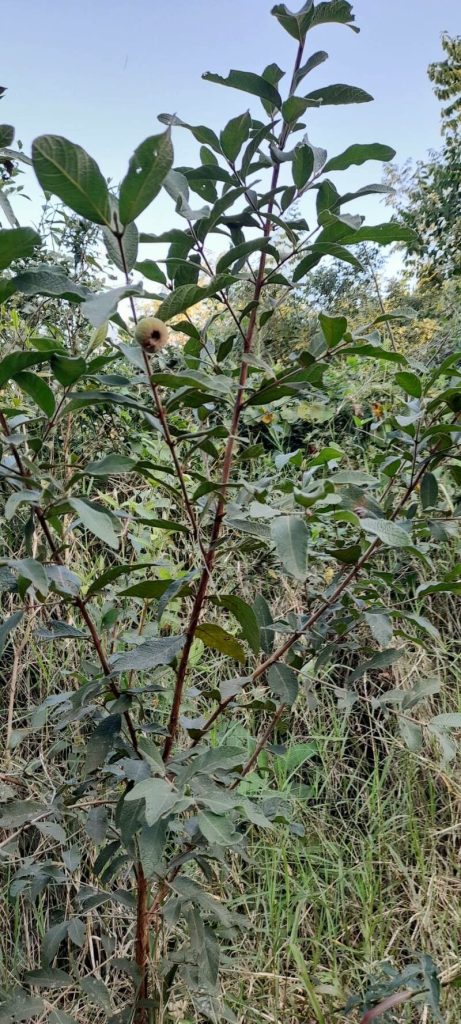
Propagating the Brazilian Guava: A Guide to Campomanesia guazumifolia
Introduction:
Campomanesia guazumifolia, commonly known as the Brazilian guava or guabiroba, is a captivating evergreen shrub or small tree prized for its attractive foliage, fragrant flowers, and delicious, aromatic fruits. Its dense, rounded habit makes it a desirable addition to gardens, offering both aesthetic appeal and a potential source of edible produce. The relatively slow growth rate contributes to its manageable size, further enhancing its suitability for various landscaping purposes. While its beauty is widely appreciated, propagating this species presents some unique challenges due to factors such as seed dormancy and relatively low success rates with conventional methods. This article explores the various propagation techniques for Campomanesia guazumifolia, weighing their effectiveness and viability.
Seed Germination:
Seed germination for Campomanesia guazumifolia is possible but can be challenging and inconsistent. The seeds often exhibit dormancy, requiring specific conditions to break this dormancy and initiate germination.
Challenges: Hard seed coat, long germination time, and low germination rates are common issues.
Practical Tips: Pre-sowing treatment, such as scarification (carefully nicking the seed coat with a file or sandpaper) followed by stratification (a period of cold, moist storage at approximately 4°C for 60-90 days) can improve germination rates. Sow seeds in a well-draining seed-starting mix, maintaining consistent moisture but avoiding waterlogging. Warm temperatures (20-25°C) are often beneficial after stratification.
Rewards: Successful seed germination offers the benefit of genetic diversity, resulting in a wider range of plant characteristics. This method is also potentially suitable for large-scale propagation, though success relies heavily on mastering the techniques.
Cuttings:
Propagation through cuttings offers a more reliable method compared to seed propagation.
Challenges: Rooting can be slow and difficult for Campomanesia guazumifolia. The success rate is significantly influenced by factors like the type of cutting (semi-hardwood cuttings are often preferred), the rooting hormone used, and environmental conditions.
Practical Tips: Take semi-hardwood cuttings (approximately 10-15 cm long) from new growth in late spring or early summer. Use a rooting hormone (e.g., IBA) and plant the cuttings in a moist, well-draining propagating mix. Maintain high humidity (e.g., using a humidity dome or misting regularly) and warm temperatures.
Rewards: Cuttings produce genetically identical plants, maintaining desirable characteristics of the parent plant. This method is quicker than seed germination for establishing new plants.
Division:
Division is generally not a practical method for propagating Campomanesia guazumifolia due to its singular trunk and non-suckering nature. Mature plants rarely produce offsets or suckers suitable for division.
Challenges: There are no reliable methods for division propagation.
Practical Tips: Not applicable.
Rewards: Not applicable.
Tissue Culture:
Tissue culture is a highly specialized technique that offers potential for large-scale propagation and the production of disease-free plants.
Challenges: This method requires specialized equipment, a sterile laboratory setting, and significant expertise in plant tissue culture techniques. It is also relatively expensive.
Practical Tips: Establishing sterile cultures from apical or nodal explants requires skilled technicians and the use of appropriate growth media and hormones.
Rewards: Rapid multiplication of desirable genotypes, disease-free plantlets, and the possibility of large-scale propagation.
Conclusion:
Propagating Campomanesia guazumifolia presents distinct challenges across different methods. While seed germination is feasible but unpredictable, cuttings offer a more dependable, albeit slower, approach. Division is generally impractical. Tissue culture, though complex and expensive, presents the greatest potential for large-scale propagation. The satisfaction of successfully cultivating this beautiful and often challenging plant comes from overcoming these hurdles and witnessing the growth of a plant that may one day reward its cultivator with fragrant blossoms and delicious fruit. Persistent effort and attention to detail are keys to success in propagating the Brazilian guava, rewarding the dedicated propagator with a beautiful and unique addition to their garden.