
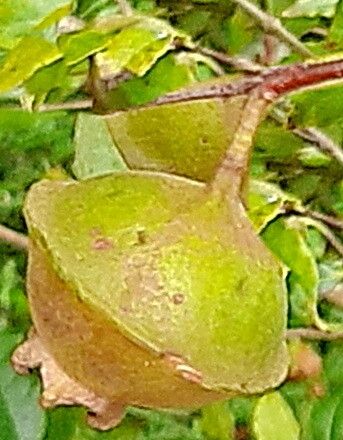
Propagating the Brazilian Plum: Unveiling the Secrets of Campomanesia phaea
Campomanesia phaea, commonly known as the Brazilian Plum, is a captivating shrub or small tree prized for its attractive foliage, delectable, plum-like fruits, and overall hardiness. Its glossy, dark green leaves and profusion of delicate white flowers make it a standout in any garden, while the sweet, slightly tart fruits are a delicious treat, adding to its horticultural appeal. Successfully propagating this species, however, presents unique challenges, demanding patience and a degree of horticultural expertise. The popularity of Campomanesia phaea amongst gardeners is growing, fueled by its adaptability and the rewarding nature of cultivating this relatively uncommon fruit tree.
Seed Germination:
Currently, there are no known reliable methods for seed germination propagation of Campomanesia phaea. While seeds may be produced, their germination rate is notoriously low, and even with various pre-treatment techniques (such as scarification or stratification), successful germination remains inconsistent and unpredictable. This low success rate makes seed propagation an impractical method for most gardeners.
Cuttings:
Cuttings offer a more promising method for propagating Campomanesia phaea. Semi-hardwood cuttings, taken from new growth in late summer or early autumn, demonstrate the best potential for success.
Challenges: Rooting can be slow and inconsistent. The cuttings are susceptible to fungal infections before rooting occurs.
Practical Tips: Use a rooting hormone to stimulate root development. Maintain high humidity levels using a humidity dome or propagation chamber. Employ a well-draining rooting medium such as a perlite and peat moss mix. Ensure adequate light, but avoid direct sunlight which can scorch the delicate cuttings.
Rewards: Cuttings propagation offers a faster method to produce a clone of the parent plant, ensuring the retention of desirable characteristics like fruit quality and tree morphology.
Division:
Division is not a viable method for propagating Campomanesia phaea. This species doesn’t naturally form offshoots or suckers that can be easily separated.
Tissue Culture:
Tissue culture offers a potential, albeit specialized, method for propagating Campomanesia phaea.
Challenges: Establishing aseptic conditions and developing a suitable culture medium are essential, requiring specialized laboratory equipment and expertise. This method involves significant initial investment and technical skill.
Practical Tips: Consulting a tissue culture specialist is crucial to optimize the process, accounting for the specific needs of Campomanesia phaea.
Rewards: Tissue culture permits large-scale propagation of genetically identical plants, maintaining desirable traits and providing a method for disease-free plant production.
Conclusion:
Propagating Campomanesia phaea presents a unique set of challenges across various methods. While seed propagation proves largely unreliable, cuttings provide a more accessible pathway, though it still requires patience and attention to detail. Tissue culture presents a high-tech solution capable of mass production but necessitates specialized knowledge and resources. The rewards, however, are significant. Successfully cultivating this beautiful and productive species, knowing the difficulties overcome, provides an immeasurable sense of accomplishment and pride. For the aspiring propagator, the journey is as rewarding as the destination. Focus your efforts on cuttings, providing impeccable care and attention to detail, and you will be well-rewarded with the vibrant beauty and delicious fruit of the Brazilian Plum. Remember that even with the best techniques, patience and persistence are key to success.