
Unfurling the Green Secrets: How to Propagate Your Campyloneurum Repens
The Campyloneurum repens, also known as the Button Fern, is a captivating plant with its cascading fronds and unique, button-like rhizomes. It’s a relatively easy plant to care for, and even easier to propagate, making it an excellent choice for both beginners and seasoned plant enthusiasts looking to expand their jungle.
If you’re eager to multiply your leafy happiness, there are two primary methods to propagate Campyloneurum repens:
1. Rhizome Division: The Art of Splitting
This method takes advantage of the plant’s natural growth pattern. The button-like structures along the rhizome (the horizontal stem from which the fronds grow) are essentially baby plants waiting to sprout. Here’s how to divide and conquer:
What you’ll need:
- A sharp, clean knife or pair of scissors
- Fresh potting mix specifically designed for ferns
- Small pots (approximately 4-6 inches)
Steps:
- Choose your victim (carefully): Select a healthy Campyloneurum repens with at least 3-4 mature rhizome sections, each with a few healthy fronds.
- Divide and conquer: Carefully remove the plant from its pot and gently loosen the soil around the roots. Using your sterilized knife or scissors, cut the rhizome, ensuring each section has at least one “button” and a few healthy fronds.
- Potting the divisions: Fill your small pots with the prepared potting mix. Plant each rhizome section horizontally with the “button” slightly exposed above the soil line.
- Water and wait: Gently water the newly potted divisions and place them in a warm, humid environment with indirect sunlight. It’s essential to keep the soil consistently moist but not waterlogged.
Pro tip: Mist the fronds regularly to increase humidity and encourage new growth.
2. Spore Propagation: For the Patient Plant Parent
This method mimics the plant’s natural reproductive cycle but requires patience and a gentle touch.
What you’ll need:
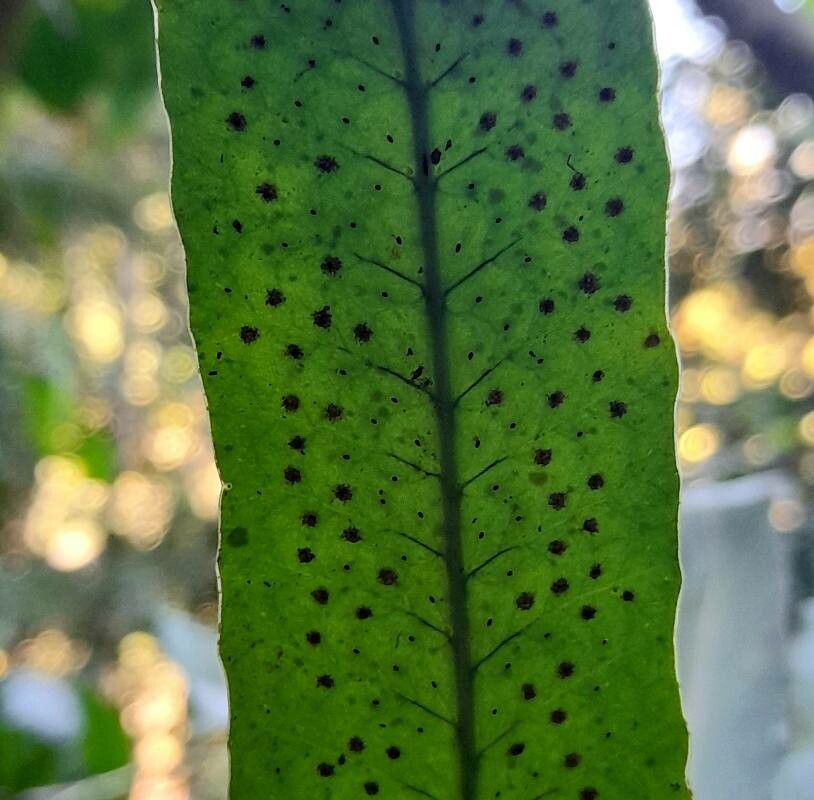
- A mature frond with visible spore clusters (sori) on the underside
- A sharp, sterilized blade
- A clean, shallow container
- Plastic wrap
- Peat moss or a specialized spore propagation mix
Steps:
- Spore collection: Choose a healthy frond with mature, dark brown spore clusters. Using the sterilized blade, gently scrape the spores onto a clean sheet of paper.
- Preparing the propagation environment: Fill the shallow container with the propagation mix, moisten it evenly, and gently press to remove any air pockets.
- Sowing the spores: Sprinkle the collected spores evenly over the surface of the propagation mix. Do not bury them; spores need light to germinate.
- Creating a humid haven: Cover the container with plastic wrap to create a greenhouse-like environment. Place it in a warm, bright location out of direct sunlight.
- Patience is key: Spores can take several weeks to germinate. Mist the surface regularly to maintain high humidity. You’ll see small, heart-shaped gametophytes (precursor to the fern plant) appear first, followed by tiny fronds.
- Transplanting the babies: Once the ferns have developed a few sets of true leaves, carefully transplant them into individual pots with well-draining potting mix.
Pro tip: Maintain a sterile environment as much as possible to prevent contamination and fungal growth.
No matter which method you choose, propagating your Campyloneurum repens is a rewarding experience. By understanding these simple techniques, you’ll soon have an abundance of these stunning ferns to adorn your home! So, go forth, fearless plant parent, and multiply your green companions!