
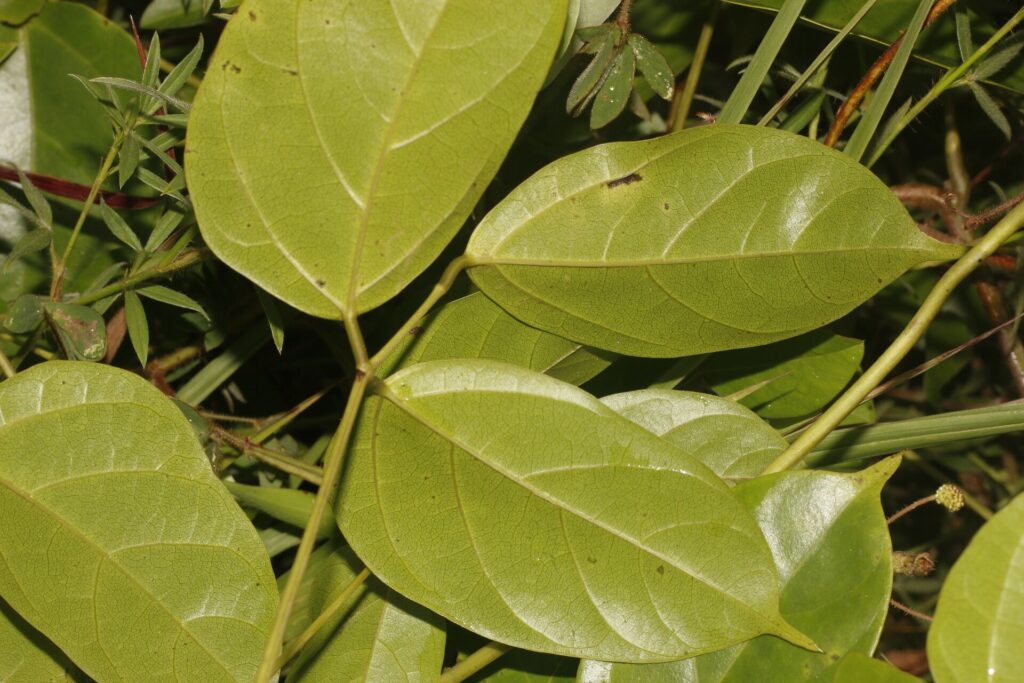
Unlocking the Secrets of Canavalia oxyphylla: A Guide to Propagation
Canavalia oxyphylla, also known as the Wild Jack Bean or the Sword Bean, is a fascinating and versatile plant. This vigorous climber boasts beautiful, orchid-like flowers and produces large, sword-shaped pods containing edible beans. While the raw beans require proper preparation to remove toxins, they offer potential as a food source in certain cultures. But beyond its practical uses, Canavalia oxyphylla adds an exotic touch to any garden with its lush foliage and vibrant blooms.
Ready to welcome this intriguing plant into your own space? Let’s explore the world of Canavalia oxyphylla propagation.
Sowing the Seeds of Success:
Propagating Canavalia oxyphylla from seed is the most common and reliable method. Here’s a step-by-step guide to help you along:
-
Seed Selection: Choose fresh, healthy seeds from a reputable source. You can even try harvesting them from mature pods if you have access to a plant.
-
Scarification: Canavalia oxyphylla seeds have a hard outer coating that can inhibit germination. To encourage sprouting, it’s crucial to scarify the seeds. This process involves gently nicking or sanding a small section of the seed coat, allowing water to penetrate more easily.
-
Soaking: After scarification, soak the seeds in warm water for 12-24 hours. This step helps soften the seed coat further and kickstarts the germination process.
-
Sowing: Plant the soaked seeds about 1-2 inches deep in a well-draining potting mix. Choose a location with ample sunlight or partial shade.
-
Watering: Maintain consistent moisture in the soil without overwatering, as this can lead to rot.
- Patience: Germination can take anywhere from 1 to 4 weeks, depending on factors like temperature and seed freshness. Be patient!
Branching Out with Cuttings:
While less common, propagation through stem cuttings is also possible with Canavalia oxyphylla. Here’s how to do it:
-
Cutting Selection: Choose a healthy, non-flowering stem that’s approximately 4-6 inches long.
-
Preparation: Remove the leaves from the lower half of the cutting and dip the cut end in rooting hormone (optional but recommended).
-
Planting: Plant the cutting in a moist, well-draining potting mix.
-
Humidity is Key: To encourage rooting, create a humid environment by covering the cutting with a plastic bag or using a propagation dome.
- Monitoring: Keep the soil consistently moist and monitor for signs of new growth, which indicate successful rooting.
Care and Considerations:
Once your Canavalia oxyphylla plants are established, whether from seed or cuttings, providing the right care will ensure their growth and vitality. Here’s what they need to thrive:
-
Sunlight: These plants thrive in full sun to partial shade.
-
Support: As vigorous climbers, they require sturdy support structures like trellises or fences to climb.
-
Watering: Water regularly, allowing the soil to dry slightly between waterings.
- Fertilization: Fertilize occasionally during the growing season with a balanced fertilizer to support healthy growth and flowering.
A Rewarding Journey:
Propagating Canavalia oxyphylla is a rewarding experience that brings the beauty and benefits of this unique plant to your fingertips. Whether you’re drawn to its ornamental appeal or intrigued by its edible potential, following these propagation techniques will equip you with the tools to cultivate your own thriving Canavalia oxyphylla plants. Happy growing!