
Taming the Tide: Propagating the Seashore’s Hardy Beauty, Canavalia Rosea
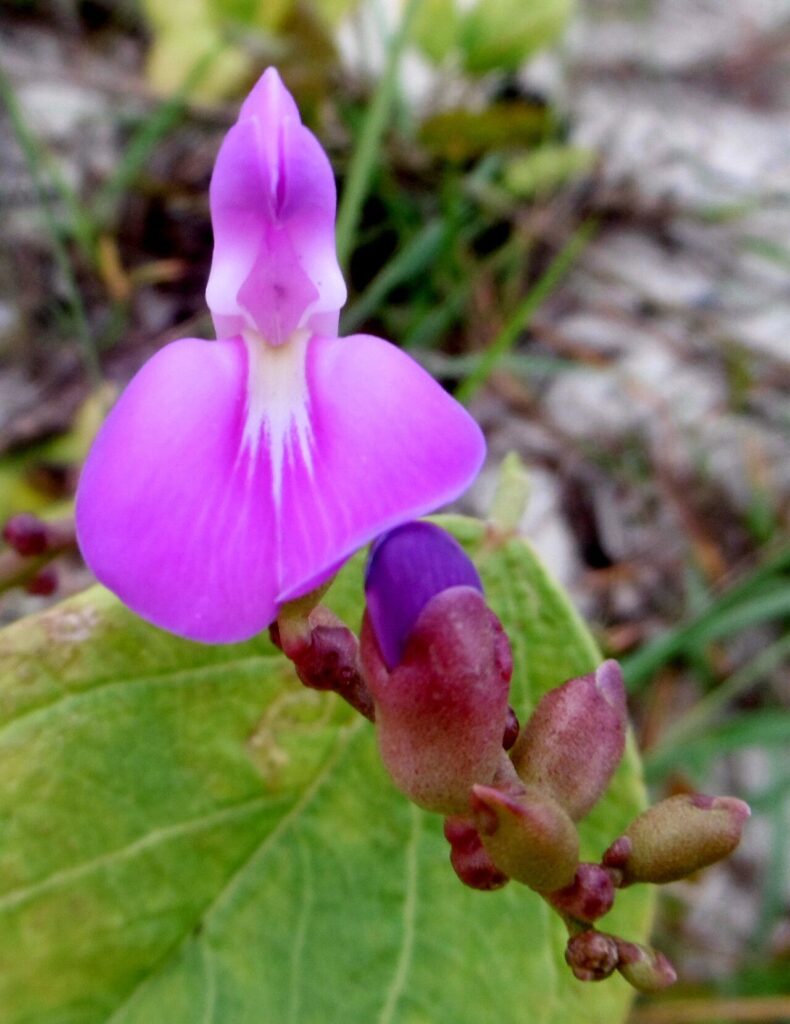
The beach isn’t just about sun and sand; it’s also a haven for resilient plant life that thrives in salty air and shifting sands. One such botanical wonder is Canavalia rosea, also known as the Bay Bean or Coastal Jack-bean. Adorned with vibrant pink-purple flowers and large, leathery seed pods, this creeping vine isn’t just pleasing to the eye, it plays a crucial role in stabilizing dunes and providing food for coastal creatures.
Want to bring a touch of this seaside resilience to your own garden? Let’s dive into the world of Canavalia rosea propagation, uncovering the secrets to successfully growing this fascinating plant.
Seeds: The Gateway to New Beginnings
The most straightforward method for propagating Canavalia rosea is through its seeds, housed within those characteristically large pods. While you can collect seeds directly from mature plants in the wild (ensuring you’re allowed to do so), purchasing seeds offers a reliable and ethical alternative.
Here’s what you need to know:
-
Scarification is Key: The seeds boast a hard outer coating that needs a little “persuasion” to germinate. Lightly scarify them by nicking or sanding a small section of the seed coat. This allows moisture to penetrate and kickstart the germination process.
-
Soak It Up: Soak the scarified seeds in lukewarm water for 24 hours. Not only does this further soften the seed coat, but it also helps initiate germination.
-
Planting Time: Choose a well-draining potting mix and sow the seeds about an inch deep. Water consistently, keeping the soil moist but not waterlogged.
- Patience is a Virtue: Germination can take anywhere from a few weeks to a couple of months. Remember, these seeds are adapted to a harsh environment, so they like to take their time!
Cuttings: A Quicker Route to Success
For a faster propagation method, consider taking cuttings from an established Canavalia rosea plant.
Here’s how:
-
Select Your Weapon (Carefully): Use a sharp, clean knife or pruning shears. Choose healthy stems that are still green and pliable, ideally from new growth.
-
Cut It Right: Each cutting should be around 4-6 inches long. Make a clean cut just below a leaf node (where the leaf joins the stem).
-
Prepare the Cutting: Remove the leaves from the bottom third of the cutting. This minimizes water loss and encourages root development.
-
Dip & Plant: Dip the cut end in rooting hormone (optional but helpful). Plant the cutting in a well-draining potting mix, burying at least one node below the surface.
- Create a Humid Haven: Cover the pot with a plastic bag or use a humidity dome to create a warm, moist environment for your cutting to root. This is crucial for success!
Caring for Your Propagated Canavalia Rosea
Whether you’ve opted for seeds or cuttings, Canavalia rosea prefers a sunny location with well-draining soil. This hardy vine thrives in warm climates and can tolerate salt spray and drought conditions. Water regularly until established, then water deeply but infrequently.
Propagating Canavalia rosea is a rewarding experience, allowing you to connect with the resilience and beauty of the coast. With a little patience and the right know-how, you can successfully grow this fascinating plant and enjoy its vibrant presence in your own outdoor space.