
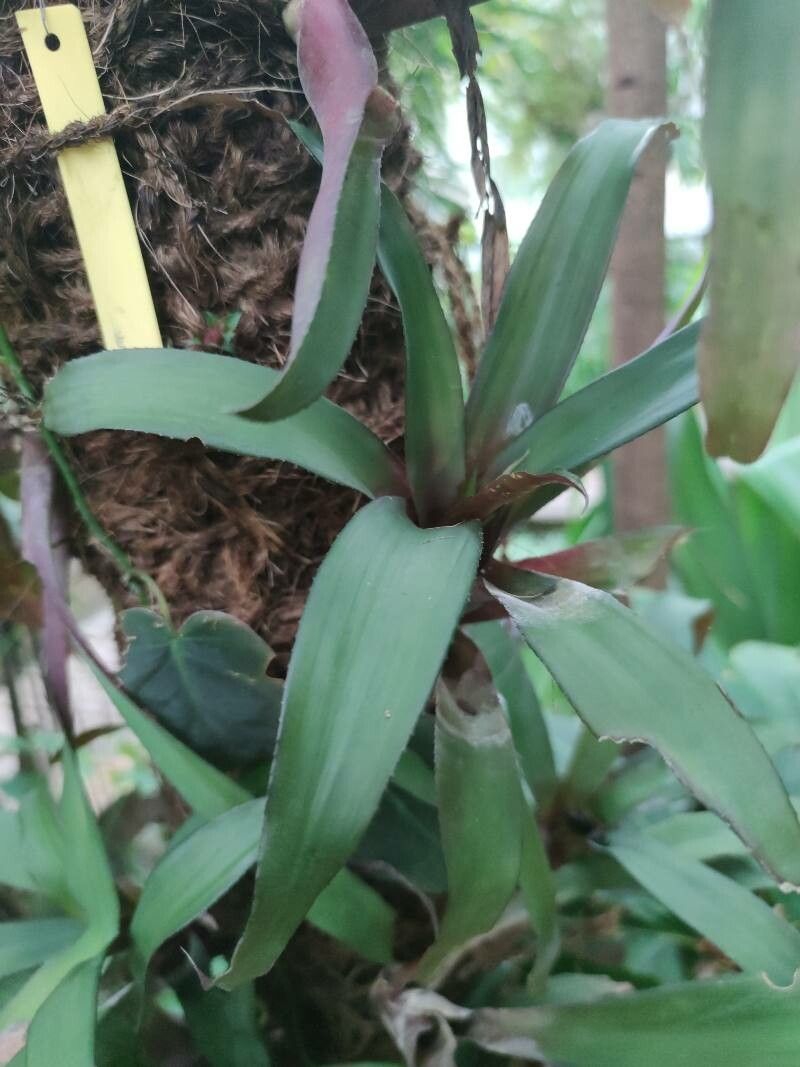
Unveiling the Secrets: How to Propagate the Exquisite Canistropsis burchellii
The Canistropsis burchellii, with its captivating rosette of silvery-green leaves and brilliant orange-red blooms, is a sight to behold. Native to the Atlantic Forest of Brazil, this bromeliad species brings a touch of the exotic to any home or garden. While admiring its beauty is easy, many enthusiasts wonder about the best way to propagate this stunning plant. So, let’s delve into the secrets of successfully multiplying your Canistropsis burchellii!
The Offspring Approach: Propagating through Pups
Like many bromeliads, Canistropsis burchellii doesn’t propagate from seeds. Instead, it produces “pups” – miniature versions of the parent plant that emerge around its base. These pups provide the most common and reliable propagation method.
Timing is Key: Wait until the pups are about one-third the size of the mother plant, typically after the blooming cycle. This ensures they’ve developed a robust root system for independent growth.
Gentle Separation: Using a clean, sharp knife or shears, carefully separate the pup from the mother plant, ensuring you retain some roots on the pup. It’s like giving the offspring a good head start in life!
Potting Mix Magic: Choose a well-draining potting mix designed for bromeliads or orchids. These mixes usually consist of bark chips, perlite, and peat moss, providing excellent aeration and moisture retention.
Patience is a Virtue: Pot the pups individually in small containers and water them thoroughly. Maintain a warm, humid environment with bright, indirect light. Avoid overwatering, allowing the soil to dry slightly between waterings. With patience and proper care, the pups will establish themselves and reward you with their own stunning foliage.
The Unexpected Journey: Propagating from Seed (A Rare Feat)
While extremely uncommon, propagation from seed is possible. Canistropsis burchellii produces seeds after flowering, although finding viable ones can be challenging.
Finding the Treasure: Seeds are typically found within the dried flower stalk once the blooms have faded. It takes a keen eye and a bit of luck!
Sowing the Seed: Use a seed-starting mix and sprinkle the seeds over the surface without burying them. Keep them consistently moist, and provide bright, indirect light. Germination can take several weeks or even months – patience is truly tested here!
Nurturing the Seedlings: Once the seedlings emerge and grow a few leaves, you can carefully transplant them into individual pots using the same well-draining mix mentioned earlier.
Creating a Bromeliad Haven
Whether you choose pups or attempt the challenge of seeds, propagating Canistropsis burchellii is a rewarding experience. You become a participant in the continuation of this exquisite species, adding more vibrancy and life to your surroundings.
Remember, success lies in understanding the plant’s needs and employing a gentle touch. With the right information and a dash of dedication, you can fill your world with the captivating charm of the Canistropsis burchellii.