
Unlocking the Secrets to Growing Langloisia setosissima: A Propagation Primer for Every Gardener
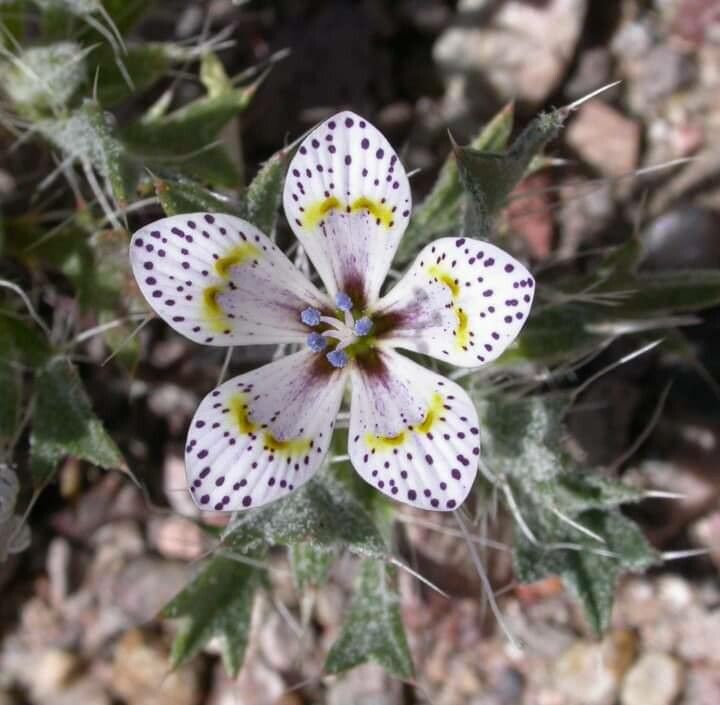
Langloisia setosissima, also known as bristly langloisia or lilac sunbonnets, is a captivating wildflower native to the western United States. With its clusters of delicate lilac blossoms that resemble tiny bonnets and its hardy nature, this underappreciated gem deserves a spot in more gardens. While you may not find it in your local nursery, don’t fret! Propagating Langloisia setosissima can be an incredibly rewarding experience.
This comprehensive guide will equip you with the knowledge and techniques to successfully propagate Langloisia setosissima and add a touch of wild beauty to your garden:
Understanding Langloisia setosissima:
Before diving into propagation, it’s crucial to understand the plant’s life cycle. Langloisia setosissima is an annual, meaning it completes its life cycle within a single growing season. It thrives in well-drained soils and sunny locations, making it a great choice for rock gardens, xeriscaping, or adding vibrant color to dry, open areas.
Methods of Propagation:
1. Seed Propagation: The Path to Abundant Blooms
Propagating Langloisia setosissima from seed is the most common and rewarding method. Follow these steps for success:
- Seed Collection: If you have existing plants, allow some flowers to mature and form seed pods. Collect the pods when they turn brown and dry.
- Sowing Time: For best results, sow seeds directly outdoors in the fall. This allows the seeds to benefit from natural stratification, a period of cold temperatures that promotes germination.
- Sowing Depth: Sow seeds shallowly, about 1/8 inch deep, in well-prepared soil.
- Watering: Keep the soil consistently moist until germination, which usually occurs within 2-3 weeks.
- Thinning: Once seedlings emerge and have a few sets of true leaves, thin them to provide adequate spacing for growth.
2. Propagation from Cuttings: A Less Common but Viable Option
While slightly less reliable than seed propagation, it’s possible to propagate Langloisia setosissima from cuttings:
- Timing is Key: Take cuttings in the early morning during the spring when the plant is actively growing.
- Selecting the Cutting: Choose healthy, non-flowering stems.
- Preparing the Cutting: Using a sharp, sterile knife or pair of scissors, make a clean cut just below a leaf node. Remove lower leaves, leaving only a few at the top.
- Encouraging Root Development: Dip the cut end in rooting hormone (optional but beneficial) and plant the cutting in a well-draining potting mix.
- Creating a Humid Environment: Cover the pot with a plastic bag or humidity dome to create a greenhouse-like environment.
- Transplanting: Once the cutting shows signs of new growth, usually after a few weeks, carefully transplant it to a larger container or your desired outdoor location.
Tips for Success:
- Soil Matters: Langloisia setosissima prefers well-drained soil. Amend heavy clay soils with sand or gravel to improve drainage.
- Sunlight is Essential: Choose a location that receives at least 6 hours of direct sunlight daily.
- Water Wisely: While Langloisia setosissima is drought-tolerant once established, consistent moisture is crucial during the germination and establishment phases. Water deeply but infrequently.
- Embrace the Wild Beauty: This wildflower naturally reseeds, so once established, it will likely grace your garden for years to come.
By following these methods and embracing the simplicity of Langloisia setosissima’s needs, you can successfully propagate this charming wildflower and add a touch of natural elegance and vibrant color to your garden.