
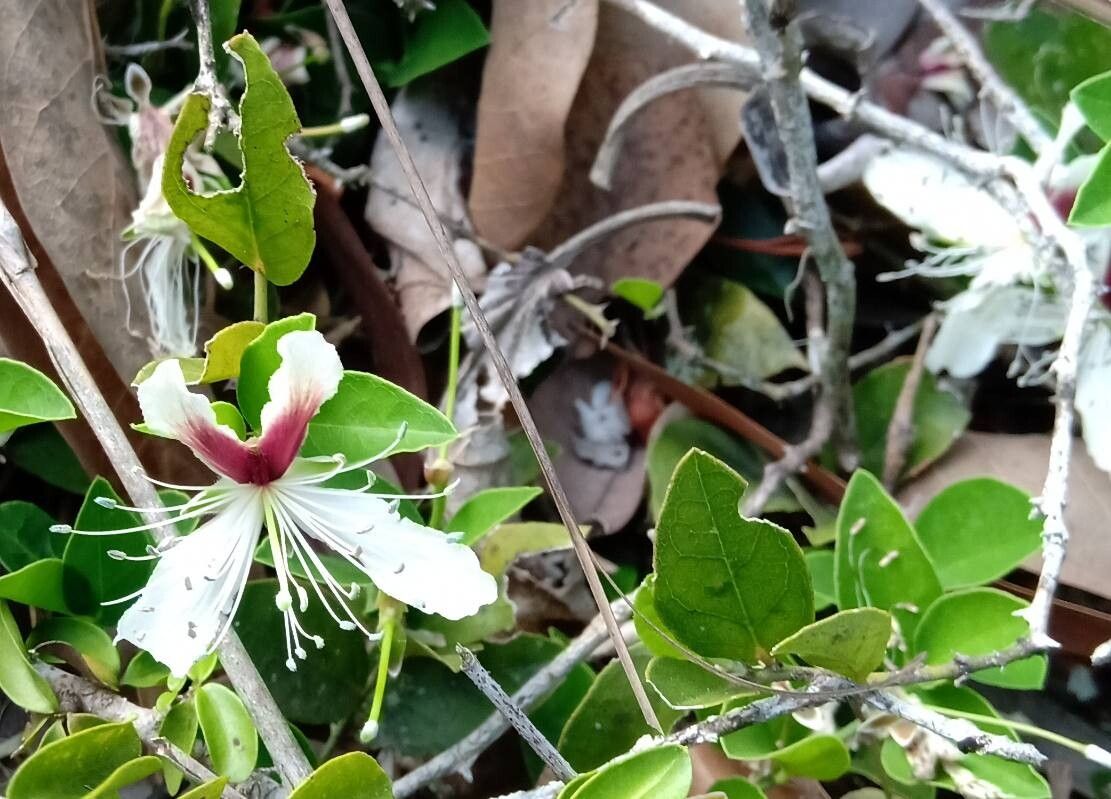
Propagating Capparis brevispina: A Gardener’s Guide to the Caper Bush
Capparis brevispina, commonly known as the spiny caper bush, is a captivating plant prized for its ornamental value and culinary uses. This drought-tolerant shrub, with its attractive foliage and delightful, delicate flowers, is gaining popularity amongst gardeners seeking low-maintenance, yet visually rewarding additions to their landscapes. However, propagating this species presents unique challenges, warranting a detailed examination of various methods. Its relatively slow growth and specific environmental needs add to the intrigue and satisfaction of successful cultivation.
Seed Germination:
Currently, there are no known reliable methods for seed germination propagation of Capparis brevispina. While seeds might be produced, their viability is notoriously low, and germination rates are extremely poor, even under optimal conditions. Further research is needed to identify any potential pre-treatments (such as scarification or stratification) that might improve germination success.
Cuttings:
Cuttings offer a more promising approach to propagating Capparis brevispina.
Challenges: The main challenge lies in achieving successful rooting. The woody nature of the stems necessitates careful cutting techniques and the use of rooting hormones to encourage callus formation and root development. Furthermore, maintaining appropriate humidity and temperature levels is crucial to prevent desiccation and fungal infections.
Practical Tips: Semi-hardwood cuttings taken in late summer or early autumn are recommended. Use a sharp, clean blade to take 8-10cm cuttings, removing lower leaves to prevent rotting. Dip the cut end in rooting hormone powder before planting in a well-draining, moist propagation mix (e.g., perlite and peat moss). Cover the cuttings with a clear plastic dome or humidity propagator to maintain high humidity. Keep the substrate consistently moist but not soggy.
Rewards: Successful propagation from cuttings provides a quicker way to establish new plants compared to other methods and ensures genetic consistency with the parent plant.
Division:
Division is generally not a practical method for propagating Capparis brevispina. The plant’s deep root system makes it difficult to divide effectively without causing significant damage and impacting the health of both parent and offspring plants.
Tissue Culture:
Tissue culture presents a potential solution for large-scale propagation of Capparis brevispina.
Challenges: Establishing a sterile tissue culture protocol specific to this species requires expertise and specialized equipment. Optimizing the nutrient media and growth regulators (auxins and cytokinins) to induce shoot proliferation and root development is a crucial and potentially time-consuming step. Contamination is a significant risk in tissue culture propagation.
Practical Tips: Successful tissue culture requires aseptic techniques, including careful sterilization of all materials and a clean laboratory environment. Experimentation with different media formulations may be necessary to find the optimal conditions for this specific species.
Rewards: Tissue culture allows for rapid multiplication of plants and provides a means of propagating disease-free plants. The technique is particularly useful for preserving rare or endangered cultivars.
Conclusion:
Propagating Capparis brevispina presents unique challenges, with seed germination proving unreliable. Cuttings provide a more feasible method, though successful rooting requires patience, attention to detail, and the use of appropriate techniques, including rooting hormones and a humid environment. Tissue culture holds promise for large-scale propagation but demands expertise and specialized facilities. The rewards of successfully cultivating Capparis brevispina, however, are well worth the effort. The resilience of the plant, its beauty, and the satisfaction of overcoming the propagation hurdles provide a uniquely gratifying gardening experience. Aspiring propagators should experiment with cuttings and, if resources allow, consider exploring the possibilities of tissue culture to achieve optimal success with this fascinating plant.