
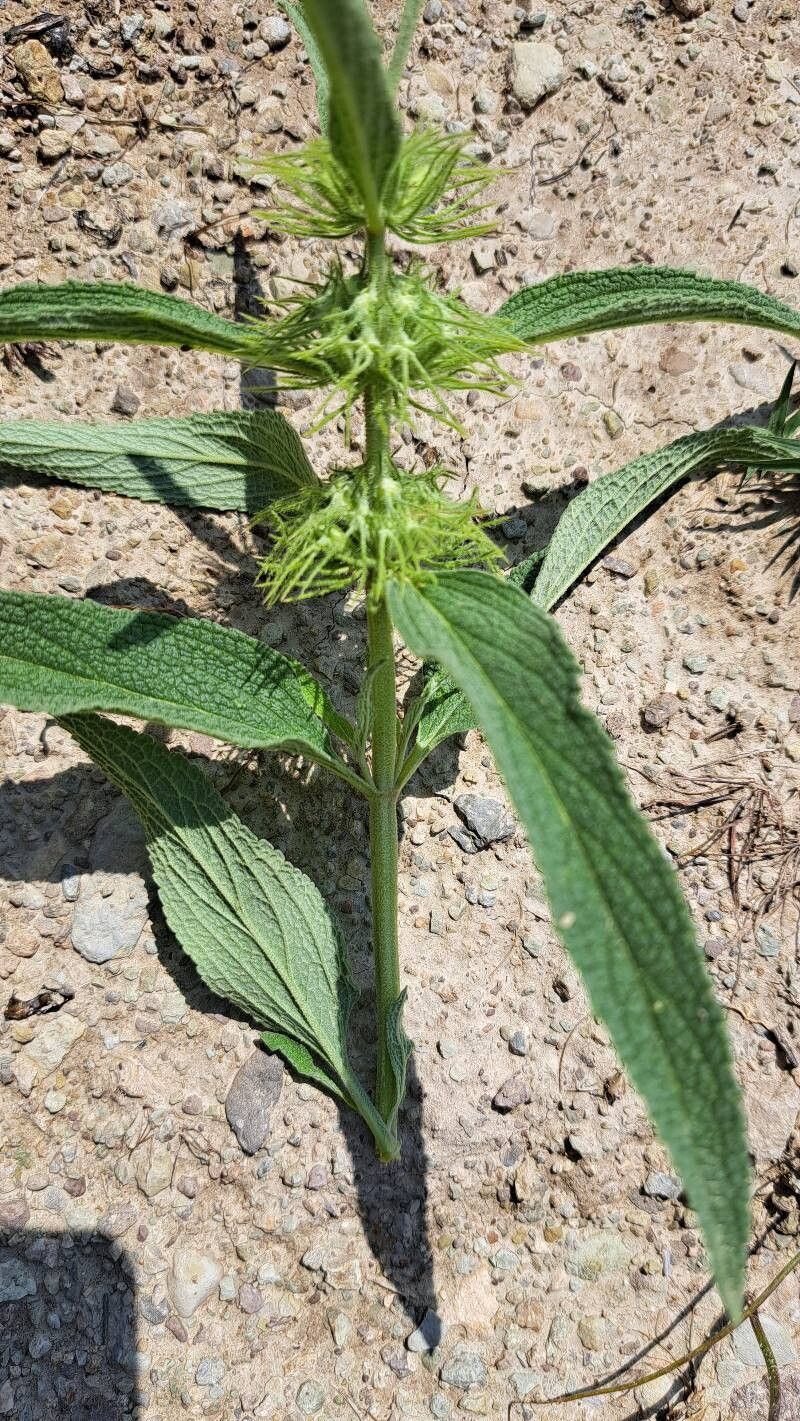
Propagating the Jerusalem Sage: A Gardener’s Guide to Phlomis cancellata
Introduction:
Phlomis cancellata, commonly known as the Jerusalem sage, is a captivating perennial prized for its architectural form and striking, silvery foliage. Its tall, square stems boast whorls of pale yellow flowers that attract pollinators and add a touch of elegance to any garden setting. The plant’s drought tolerance and relatively low maintenance requirements have contributed to its increasing popularity among gardeners, however, propagating this beauty can present some unique challenges. Its propagation is often preferred through vegetative means, due to inconsistencies with seed germination.
Seed Germination:
Currently, there are no known reliable methods for seed germination propagation of Phlomis cancellata. While seeds may be produced, germination rates are notoriously low, and even with optimal conditions, success is far from guaranteed. Further research into specific germination requirements would be beneficial, but for practical purposes, relying on seed propagation isn’t a recommended approach.
Cuttings:
Cuttings offer a more reliable method for propagating Phlomis cancellata.
Challenges: The success rate can vary depending on timing and technique. Hardwood cuttings taken in late autumn or early winter generally show better results than softwood cuttings.
Practical Tips: Take 10-15cm cuttings from mature stems, removing lower leaves to prevent rot. Dip the cut ends in rooting hormone to stimulate root development. Plant cuttings in a well-draining, moist propagation mix (e.g., a mix of perlite and peat moss) and maintain consistent moisture without overwatering. Use a humidity dome or plastic bag to increase humidity around the cuttings and prevent desiccation. Root development may take several weeks to months.
Rewards: Cuttings provide a relatively quick and efficient way to produce genetically identical plants to the mother plant, preserving desirable traits.
Division:
Division is a viable and effective method for propagating established Phlomis cancellata plants.
Challenges: This method requires an already established, mature plant. Division should only be attempted during dormancy (late autumn or early spring) to minimize stress on the plant. Poorly executed division can damage the plant’s root system, hindering growth or potentially killing the plant.
Practical Tips: Carefully dig up the entire plant, gently separating the root ball into smaller sections, ensuring each division has ample roots and shoots. Replant the divisions immediately in well-prepared soil, providing adequate spacing. Water thoroughly after planting.
Rewards: Division is a relatively easy method and produces instant results, offering a quick way to increase the number of plants.
Tissue Culture:
Tissue culture is a technically advanced method potentially capable of propagating Phlomis cancellata, but it requires specialized equipment, expertise, and sterile conditions.
Challenges: Establishing aseptic conditions and maintaining them throughout the process is crucial to prevent contamination. Also, optimizing media composition and growth regulators requires specific knowledge and testing.
Practical Tips: Whilst not within the typical scope of home gardeners, this technique is available commercially for large scale propagation offering increased plant numbers efficiently.
Rewards: Tissue culture allows for rapid multiplication of plants, even from small samples, and can eliminate diseases.
Conclusion:
Propagating Phlomis cancellata presents both challenges and rewards. While seed propagation is unreliable, vegetative methods like cuttings and division offer practical alternatives for gardeners. Division offers the easiest route for home gardeners for multiplying quantities of this beloved plant, while cuttings require more patience and attention to detail. Tissue culture remains a more specialized method, better suited for commercial applications. The effort involved in propagating this beautiful plant, however, is well rewarded by the satisfaction of witnessing its growth from a cutting or division into a mature specimen. The unique architectural form and resilience of the Jerusalem sage make the challenges worth overcoming for any dedicated gardener. Don’t be discouraged by potential setbacks—with persistence and the right techniques, successfully propagating Phlomis cancellata is entirely achievable.