
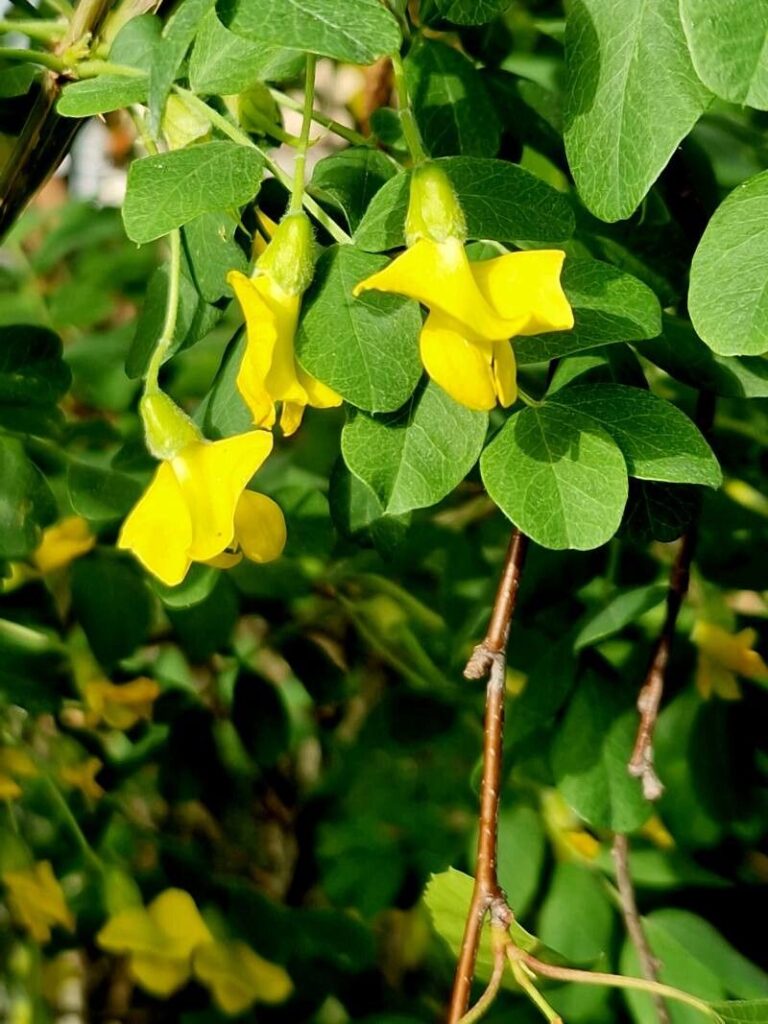
From Seed to Shrub: Unlocking the Secrets of Caragana arborescens Propagation
Caragana arborescens, also known as the Siberian pea-tree or pea shrub, is a resilient, hardy plant that’s a favorite among gardeners seeking a low-maintenance, attractive addition to their landscapes. But beyond its beauty lies a fascinating world of propagation, the process of creating new plants from existing ones. Whether you’re looking to expand your own garden or simply curious about the wonders of plant reproduction, understanding how to propagate Caragana arborescens unlocks a whole new level of appreciation for this remarkable shrub.
Methods of Propagation:
Caragana arborescens can be propagated through two primary methods: seeds and cuttings. Each method offers advantages and requires specific steps for success.
1. Seed Propagation:
- Gathering Seeds: Caragana arborescens produces seed pods in late summer or early fall. These pods turn brown and dry, signaling that the seeds are ready for harvesting. Gather the pods and allow them to dry completely before extracting the seeds.
- Stratification: Caragana arborescens seeds are known for their hard seed coat, which can hinder germination. To overcome this, they require a period of cold stratification. This mimics the natural winter conditions the seeds experience in their native environment. You can achieve this by mixing the seeds with moist sand or peat moss and storing them in a refrigerator for 3 to 4 months.
- Sowing: Once stratified, the seeds are ready for sowing. Sow them directly in the garden or in individual pots during the spring or early summer. Ensure the soil is well-drained and consistently moist. Patience is key; germination can take several weeks.
2. Cutting Propagation:
- Selecting Cuttings: In the late spring or early summer, choose healthy, young stems that have grown in the current year. Cuttings should be around 6 to 8 inches long.
- Preparation: Remove the leaves from the bottom 2 inches of the stem. Dip the cut end in a rooting hormone to encourage root development.
- Rooting: Place the prepared cuttings in a moist, well-drained growing medium. Choose a pot or a propagation bench for this purpose, ensuring good drainage. Maintain humidity around the cuttings by covering them with a plastic dome or bag.
- Care: Keep the rooting medium consistently moist but not soggy. Provide indirect sunlight and avoid direct exposure to harsh sun. Roots should develop within a few weeks.
Tips for Success:
- Choose the Right Method: Seed propagation is more economical and efficient for large-scale plantings, while cuttings are ideal for producing a smaller number of plants with specific traits.
- Timing is Crucial: Follow the suggested timings for each method to maximize success.
- Provide Optimal Growing Conditions: Ensure the plants have well-drained soil, sufficient moisture, and appropriate sunlight exposure.
- Be Patient: Plant propagation takes time. Don’t rush the process, and observe your plants carefully for signs of growth.
Beyond Propagation:
As you master the art of propagation, you’ll discover the endless possibilities of exploring Caragana arborescens varieties. From its attractive, yellow flowers to its ability to thrive in difficult conditions, this resilient shrub offers a wide range of possibilities for landscaping, attracting pollinators, and creating a sense of natural beauty in your garden.
So, whether you’re a seasoned gardener or a curious beginner, venturing into the world of Caragana arborescens propagation offers a rewarding journey of growth, learning, and the satisfaction of nurturing life from its very beginning.