
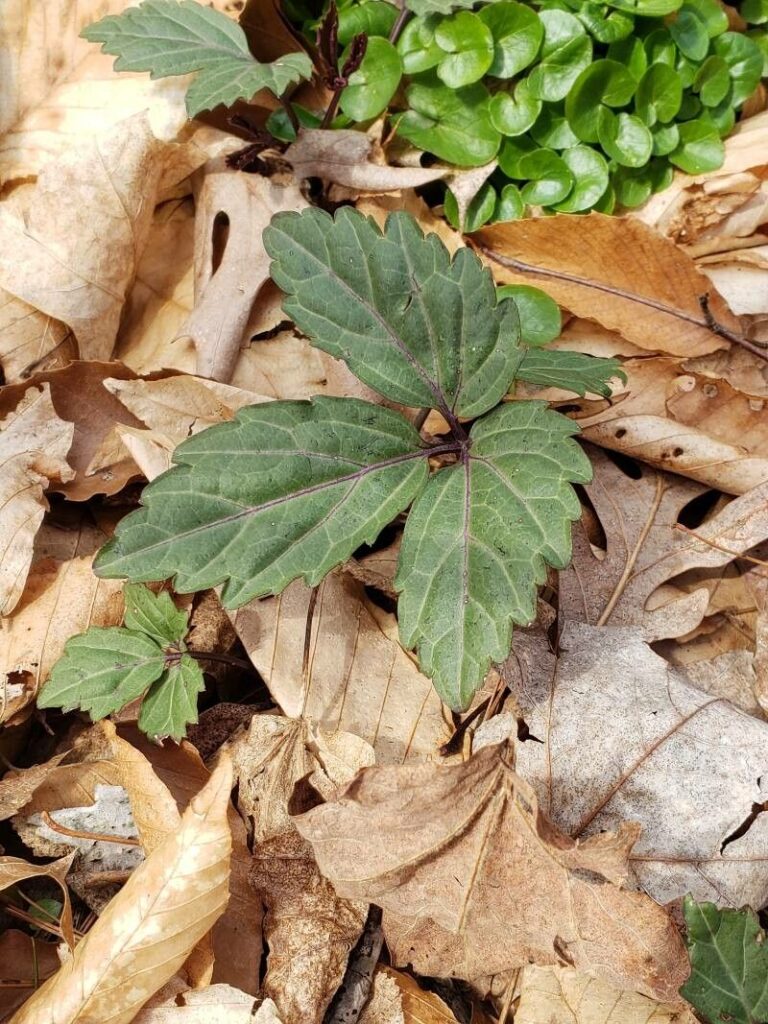
From Seed to Bloom: How to Propagate the Delicate Beauty of Cardamine Diphylla
Cardamine diphylla, commonly known as the “twinleaf” or “crinkle-root”, is a beloved perennial that graces woodland gardens with its delicate white blooms and distinctive paired leaves. While you can purchase plants from nurseries, propagating your own twinleaf is a rewarding experience that allows you to expand your garden and share this charming plant with others.
There are two primary methods for propagating Cardamine diphylla: seed propagation and division. Each method offers its own advantages and challenges, making it crucial to choose the one that best suits your needs and environment.
1. Seed Propagation: A Journey of Patience and Joy
Seed propagation is a classic method that allows you to start with a fresh, new generation of twinleaf plants. Here’s how to do it:
- Harvesting Seeds: Collect seeds from mature seed pods after they turn brown and dry. The pods will split open, releasing the seeds.
- Sowing Seeds: Sow seeds directly outdoors in a shady location, preferably during the fall for natural stratification. You can also start them indoors in seed trays filled with a well-draining potting mix.
- Germination: Germination typically occurs in a few weeks, but it can take up to a year for some seeds. Patience is key!
- Transplanting: Once seedlings have developed a few true leaves, carefully transplant them to their desired location.
Advantages of Seed Propagation:
- Genetic diversity: Seed propagation allows for a wider genetic variation in your plants, leading to potentially more robust and adaptable individuals.
- Large quantities: You can easily produce a significant number of plants from a single seed pod.
- Cost-effective: Seeds are usually a more affordable option than purchasing established plants.
Disadvantages of Seed Propagation:
- Slower growth: Seedlings typically take longer to reach maturity than plants propagated by division.
- Less predictable results: Germination rates can vary depending on seed quality and environmental conditions.
2. Division: A Faster Path to Blooms
Division involves separating established twinleaf plants into smaller, independent units. This method allows for quicker results and is generally easier than seed propagation.
- Timing: Divide your plants in early spring or late fall.
- Process: Carefully lift the plant from the ground and use a sharp knife or shovel to cut the root ball into sections. Each section should have at least one healthy crown and a good root system.
- Replanting: Plant the divided sections in a shady location with well-draining soil, ensuring the crown is just below the soil surface.
Advantages of Division:
- Faster growth: Divided plants will generally start flowering sooner than seedlings.
- Easier establishment: Divided plants are more readily established in the garden, as they already have an existing root system.
- Reliable method: Division produces consistent results, making it a reliable option for propagating twinleaf.
Disadvantages of Division:
- Limited quantity: You can only create as many new plants as there are crowns on an existing plant.
- Potential stress: Dividing plants can sometimes cause stress, leading to temporary slowed growth.
Tips for Successful Propagation:
- Shade is key: Ensure your plants receive consistent shade throughout development.
- Well-draining soil: Twinleaf prefer moist soil with good drainage.
- Consistent moisture: Water your plants regularly, especially during dry spells.
- Mulch: Apply a layer of organic mulch to help retain moisture and suppress weeds.
Whether you choose to propagate your Cardamine diphylla from seed or by division, the process is a rewarding way to expand your garden and enjoy the delicate beauty of this woodland native. With careful attention and a touch of patience, you can easily cultivate a flourishing patch of twinleaf that will bring joy to your garden year after year.