
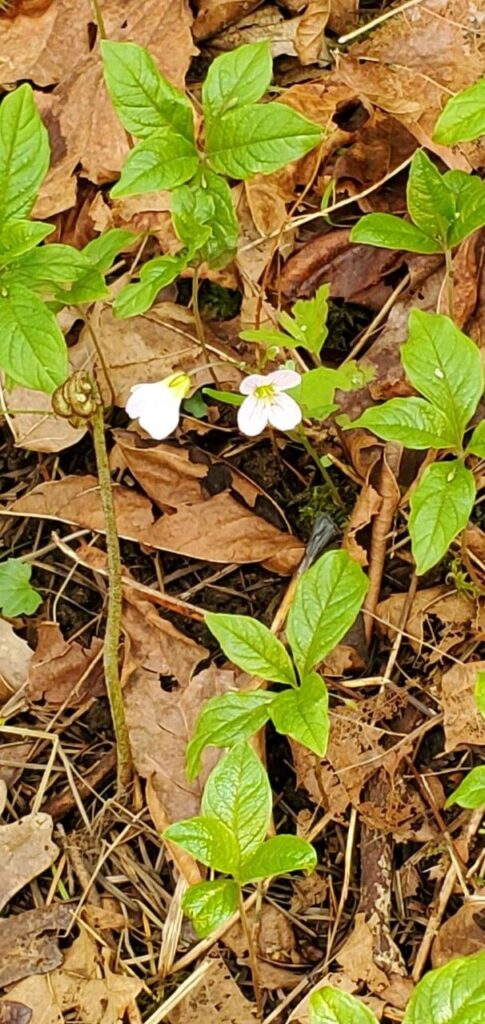
Spring Into Action: Multiply Your Toothwort with These Easy Propagation Techniques
Cardamine nuttallii, affectionately known as Toothwort for its toothed basal leaves, is a charming wildflower that graces early spring woodlands with delicate white blossoms. If you’re lucky enough to have this ephemeral beauty in your garden or a nearby wild patch, you might be wondering how to get more of it. Luckily, propagating Cardamine nuttallii is a fairly straightforward process, and we’ll dive into two common methods:
Method 1: Division
Dividing established clumps is the easiest and most successful way to propagate Toothwort. Here’s the step-by-step breakdown:
When to divide: The best time to divide Cardamine nuttallii is in the early spring, just after flowering, or in the fall. This allows the plant to establish itself before the heat of summer or the chill of winter.
What you’ll need:
- A garden fork or spade
- A sharp, clean knife or pruning shears
- Gloves (optional)
The process:
- Digging up: Using your garden fork or spade, carefully dig around the plant, ensuring you’re a good distance away from the crown to avoid damaging the roots. Gently lift the clump from the ground.
- Division: Examine the clump and identify natural divisions where the plant has multiple crowns. Using your hands or a clean, sharp knife, carefully separate the clump into smaller sections, ensuring each division has healthy roots and shoots.
- Replanting: Choose a new location with similar growing conditions to the original site – ideally dappled shade and moist, well-drained soil. Dig a hole slightly larger than the root ball, place the division, backfill with soil, and water well.
Method 2: Seed Propagation
While slightly more time-consuming, growing Toothwort from seed is a rewarding experience. Here’s what you need to know:
Seed Collection: Once the flowers fade, Cardamine nuttallii produces slender seed pods. Allow the pods to dry completely on the plant, then carefully collect them before they burst open, scattering seeds.
Sowing:
- Direct Sowing: You can sow seeds directly into the garden in fall or early spring. Simply scatter seeds on prepared soil and lightly rake them in, ensuring good contact with the earth.
- Starting Indoors: For an early start, sow seeds in trays or pots 6-8 weeks before the last frost. Use a seed-starting mix, keep it consistently moist, and provide bright, indirect light.
Care for Seedlings:
Whether sown directly or started indoors, keep the soil consistently moist, but not waterlogged. Thin seedlings to 6-8 inches apart when they are large enough to handle.
Tips for Success:
- Mulch Matters: Apply a layer of organic mulch like shredded leaves or compost around the base of your plants. This helps retain moisture, suppress weeds, and provide nutrients.
- Embrace the Shade: Remember that Cardamine nuttallii thrives in shade. Avoid planting it in areas with full sun, especially during the hotter months.
-
Patience is Key: Toothwort may take some time to establish itself, but with a little patience and care, it will reward you with its delicate beauty year after year.
Propagating Cardamine nuttallii is a wonderful way to expand your collection of this charming wildflower and enjoy its ephemeral beauty in different areas of your garden. So, get your hands dirty and embrace the joys of plant propagation!