
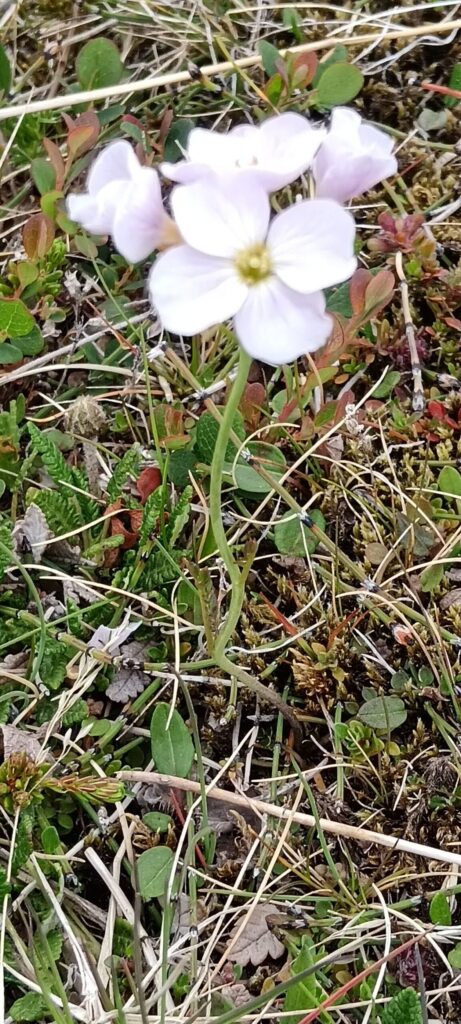
Unlocking the Secrets of Cardamine plumieri: A Propagation Guide
Cardamine plumieri, also known as the Large Bittercress or the Cuckoo Flower, is a charming perennial admired for its delicate beauty. This European native, with its heart-shaped leaves and dainty white or pink blooms, can bring a touch of wildflower charm to any garden. While readily available in some nurseries, propagating Cardamine plumieri yourself is a rewarding endeavor that any gardener, beginner or seasoned, can achieve.
Two Paths to Propagation
Cardamine plumieri generously offers two methods for propagation:
-
Seeds: As with many plants, starting from seed is a popular choice. Here’s the breakdown:
- Sowing Time: Early spring or late summer offer the best chances of success.
- Preparation is Key: Use a well-draining seed starting mix. Sow the seeds thinly and only lightly press them into the surface.
- Patience, Young Padawan: Germination can take anywhere from a few weeks to a couple of months. Ensure the soil remains consistently moist during this period.
- Light and Location: Choose a spot with bright, indirect light. Once the seedlings are sturdy enough, transplant them to individual pots or directly into your garden.
- Divisions: This technique takes advantage of the plant’s naturally spreading habit:
- When to Divide: Spring or early fall, after flowering, is the optimal time.
- The Process: Carefully dig up a mature plant, ensuring you capture a good portion of the root system. Gently tease apart the plant into smaller sections, ensuring each division has roots and several healthy shoots.
- New Beginnings: Replant divisions in well-prepared soil, spacing them about 12 inches apart. Water thoroughly and keep the soil consistently moist until the plants are established.
Nurturing Your New Plants
Regardless of your chosen propagation method, providing the right conditions is vital for success:
- Soil and Sunlight: Cardamine plumieri thrives in moist, well-drained soil. A location with partial shade is ideal, although they can tolerate full sun in cooler climates.
- Watering Wisely: Consistent moisture is key, particularly during dry spells. However, avoid overwatering, which can lead to root rot.
- Feeding for Flourishing: While not heavy feeders, a light application of balanced fertilizer in spring can encourage healthy growth and abundant blooms.
Beyond Propagation:
Propagating Cardamine plumieri is just the first step. Their spreading nature makes them excellent groundcovers, particularly in shady woodland gardens. They’re also delightful additions to borders, rock gardens, and even naturalized areas.
With their charm and ease of propagation, these delightful plants deserve a spot in any garden enthusiast’s collection. So, roll up your sleeves, get your hands dirty, and enjoy the journey of welcoming new Cardamine plumieri to your green haven.