
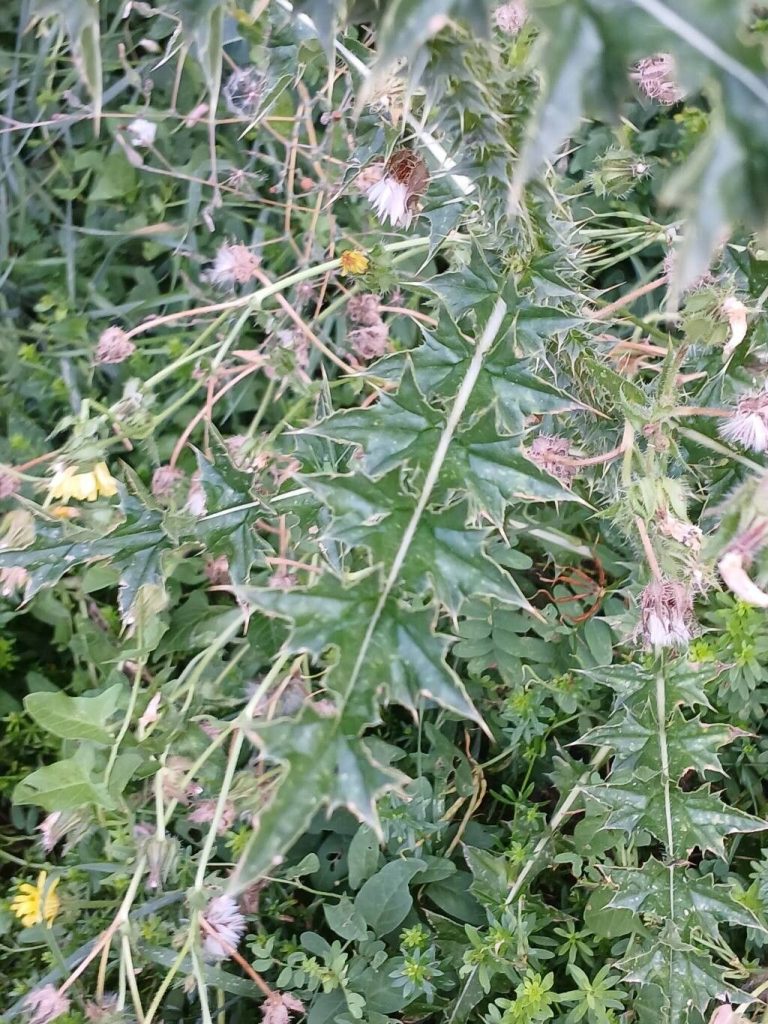
Propagating the Plumeless Thistle (Carduus acanthoides): A Thorny but Rewarding Endeavor
Introduction:
Carduus acanthoides, commonly known as the plumeless thistle, is a striking biennial or short-lived perennial thistle native to Europe and Asia. Characterized by its deeply spiny leaves, tall stems, and clusters of purplish-pink flower heads, it possesses a certain rugged beauty appreciated by some gardeners for its dramatic presence in wildflower meadows or naturalistic settings. Unlike some thistles considered invasive weeds, its controlled cultivation can contribute to biodiversity. However, its propagation presents unique challenges due to its specific germination requirements and somewhat fragile nature.
Seed Germination:
Seed germination is a viable method for propagating Carduus acanthoides, but it presents some hurdles. The main challenge lies in achieving consistent germination rates. The seeds possess a hard seed coat that might require scarification (e.g., gently rubbing with sandpaper) or cold stratification to break dormancy. Stratification, involving a period of cold, moist storage (typically 4-8 weeks at temperatures near 4°C/39°F) is highly recommended before sowing.
Practical Tips: Sow seeds thinly in well-draining seed compost in early spring or autumn. Maintain consistently moist but not waterlogged conditions. Germination can be slow and uneven, taking several weeks to months.
Rewards: Successfully germinating seeds of Carduus acanthoides offers the benefit of genetic diversity within your plants, leading to potentially greater hardiness and adaptability. It also provides a cost-effective method for large-scale propagation should you desire to establish a substantial colony.
Cuttings:
Currently, there are no known reliable methods for propagation of Carduus acanthoides from cuttings. The plant’s woody stem structure and tendency to readily desiccate make it difficult to root cuttings effectively.
Division:
Division is a potentially viable method, particularly for established plants. However, it’s a delicate process.
Challenges: The taproot system of Carduus acanthoides makes division challenging. Roots are easily damaged during separation.
Practical Tips: Division should be undertaken in early spring or autumn when the plant is actively growing or becoming dormant. Carefully dig up the entire plant, gently separating the root crown into several sections, each with healthy roots and shoots. Replant immediately in well-prepared soil, ensuring adequate watering.
Rewards: Division allows for the rapid increase of established plants and maintains the genetic characteristics of the parent plant.
Tissue Culture:
Tissue culture propagation of Carduus acanthoides is not widely practiced and would require specialized laboratory equipment and expertise. While potentially a highly efficient method for mass production of genetically uniform plants, the high initial investment and technical demands make it unsuitable for most home gardeners.
Conclusion:
Propagating Carduus acanthoides presents a unique set of challenges. While seed germination is possible with careful stratification, it’s an inconsistent method. Division offers a more direct but delicate approach. Cuttings and tissue culture are currently impractical for most individuals. The rewards, however, are worth the effort: the satisfaction of nurturing this striking thistle from seed or division, overcoming the odds to cultivate its distinctive beauty, is a testament to perseverance and horticultural skill. For aspiring propagators, patience, attention to detail, and a willingness to experiment are vital ingredients in successfully cultivating this thorny but rewarding plant. Remember to always research local regulations concerning the growth of thistle species in your region.