
Taming the Thistle: A Guide to Propagating Carduus Carpetanus
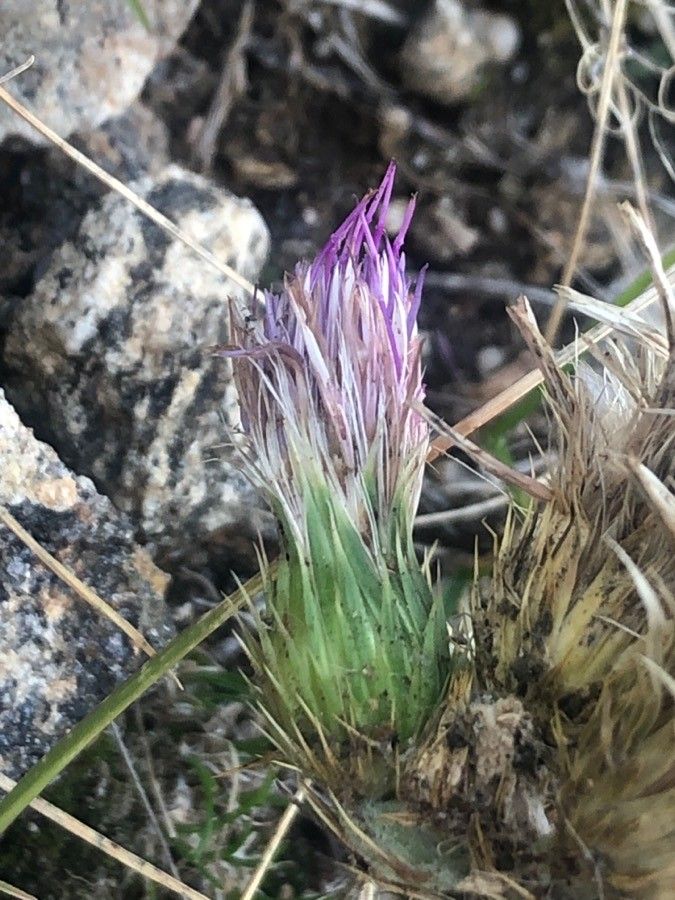
The Carduus carpetanus, commonly known as the Carpetanus thistle, might sound like a prickly customer, but this stunning plant can be a captivating addition to your garden. Native to the Iberian Peninsula, this thistle species boasts architectural beauty with its spiny, silvery-green leaves and large, captivating pink flower heads. While it may seem intimidating, propagating Carduus carpetanus is achievable for gardeners of all levels. Let’s explore the two primary methods:
1. Seed Propagation: Embracing the Element of Surprise
Propagating Carduus carpetanus from seed offers an element of surprise, as the resulting plants might exhibit slight variations in appearance. Here’s how you do it:
- Seed Collection: In late summer, keep an eye out for the fluffy, white seed heads that follow the vibrant blooms. Collect the seeds on a dry day, ensuring they are fully mature.
- Seed Preparation (Optional): While not mandatory, cold stratification can enhance germination rates. Place the seeds in a moist paper towel, seal them in a plastic bag, and store them in the refrigerator for 4-6 weeks.
- Sowing: In spring, sow the seeds directly into well-drained soil in a sunny location. Carduus carpetanus prefers slightly alkaline soil, so amending with lime if your soil is acidic can be beneficial.
- Patience is Key: Germination can take anywhere from a few weeks to a couple of months. Keep the soil consistently moist but not waterlogged.
2. Basal Cuttings: Cloning Your Spiky Marvel
For those seeking to replicate the exact characteristics of their prized Carduus carpetanus, basal cuttings are the way to go:
- Timing is Everything: The ideal time for taking basal cuttings is in spring, just as new growth emerges.
- Select and Snip: Choose healthy, non-flowering stems. Using a sharp, sterilized knife or pruning shears, sever the stem at its base where it joins the main root crown.
- Prepare the Cutting: Remove the lower leaves, leaving 2-3 pairs at the top. Trim the remaining leaves by half to reduce moisture loss.
- Potting Mix and Hormone (Optional): Fill a pot with a well-draining seed starting mix. While not essential, dipping the cut end in rooting hormone can encourage faster root development.
- Planting and Care: Make a small hole in the potting mix and gently insert the cutting, burying the nodes where the leaves were removed. Water well and place the pot in a bright location, out of direct sunlight.
- Rooting and Transplanting: After 4-6 weeks, gently tug on the cutting to check for resistance, indicating root development. Once established, transplant the rooted cutting into a larger pot or your desired garden location.
Caring for Your Carduus Carpetanus
Once established, Carduus carpetanus is relatively low-maintenance. Here are some essential care tips:
- Sunlight: These sun worshippers thrive in at least 6 hours of direct sunlight per day.
- Watering: While drought-tolerant once established, consistent watering during the first year will encourage strong root development. Allow the soil to dry slightly between waterings.
- Pruning: Deadheading spent flowers can prolong the blooming period and prevent unwanted self-seeding.
- Pests and Diseases: Carduus carpetanus is generally pest-free, but keep an eye out for aphids and slugs.
A Word of Caution: While captivating, Carduus carpetanus has the potential to become invasive in certain regions. Be a responsible gardener and check with your local authorities before planting to prevent ecological disruption.
With its striking appearance and relatively straightforward propagation methods, Carduus carpetanus offers a unique charm to any garden. So why not embrace the prickly side and welcome this stunning thistle into your outdoor space?