
Taming the Thistle: A Guide to Propagating Carduus Cephalanthus
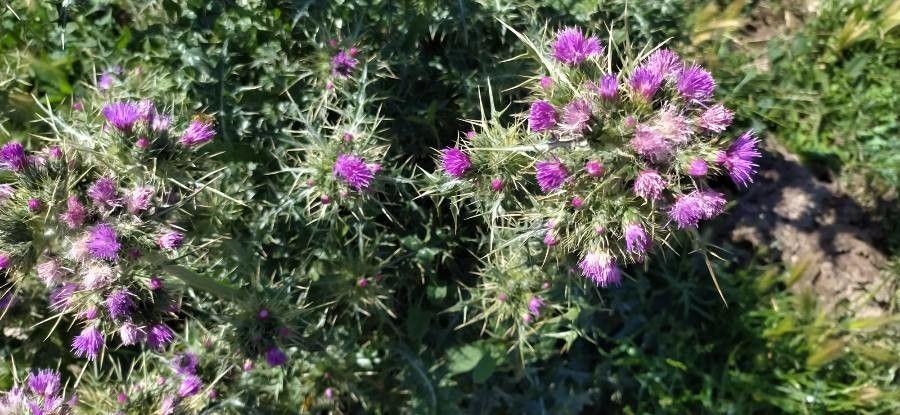
The Carduus cephalanthus, more commonly known as the Round-headed Thistle, might seem like an unlikely candidate for your garden. With its spiky foliage and imposing presence, it’s often relegated to the wayside. However, this intriguing plant boasts beautiful, vibrant flower heads that are a magnet for pollinators and add a touch of wildness to any landscape. If you’re keen on inviting this unique thistle into your garden, propagation is surprisingly straightforward. Let’s explore the methods that will have you cultivating these fascinating flowers in no time.
Understanding the Thistle’s Lifecycle:
Before diving into propagation, it’s crucial to understand the life cycle of the Carduus cephalanthus. This biennial plant lives for two years. In its first year, it focuses on establishing a robust root system and a rosette of leaves. The magnificent, round, purple flower heads appear in the second year, leaving behind seeds that ensure future generations.
Methods of Propagation:
1. Seed Propagation:
- Collecting seeds: As autumn approaches, keep a watchful eye on the flower heads. Once they start to dry and turn brown, it’s time to harvest. Carefully cut the heads and place them in a paper bag to dry completely. Once dry, shake the bag to release the seeds.
- Sowing: You can directly sow the seeds in your garden in late autumn or early spring. Choose a sunny location with well-drained soil. Scatter the seeds thinly and barely cover them with soil.
- Stratification (optional): While not mandatory, cold stratification can help improve germination rates, especially for seeds sown in spring. Store the seeds in a moist paper towel inside a sealed plastic bag in your refrigerator for 4-6 weeks before sowing.
2. Division:
- Timing is key: This method is best performed in early spring or late autumn when the plant is dormant.
- Division process: Carefully dig out a mature plant, ensuring you don’t damage the roots. Using a sharp, clean knife, divide the plant into sections, making sure each section has a good portion of roots and leaves.
- Replanting: Replant the divided sections immediately in well-prepared soil, ensuring they have adequate spacing.
Caring for Your New Thistle Plants:
While considered a low-maintenance plant overall, young Carduus cephalanthus seedlings benefit from consistent moisture. Water them regularly, especially during dry periods. Weeding around the base of the plants is also crucial to prevent competition for resources.
A Word of Caution:
While stunning, the Carduus cephalanthus has the potential to become invasive due to its easy propagation. Consider its placement carefully, especially if you live in an area where it’s not native. Deadheading spent flower heads before they go to seed can help prevent unwanted spread.
Embracing the Wild Side:
Propagating Carduus cephalanthus might be a little different from cultivating your average garden flower, but the rewards are worth the effort. By providing the right conditions and a touch of patience, you’ll be rewarded with these magnificent thistles, adding a touch of drama and supporting vital pollinators in your garden. So, why not embrace the wild side and give propagating these fascinating plants a try? You might be surprised by the beauty they bring!