
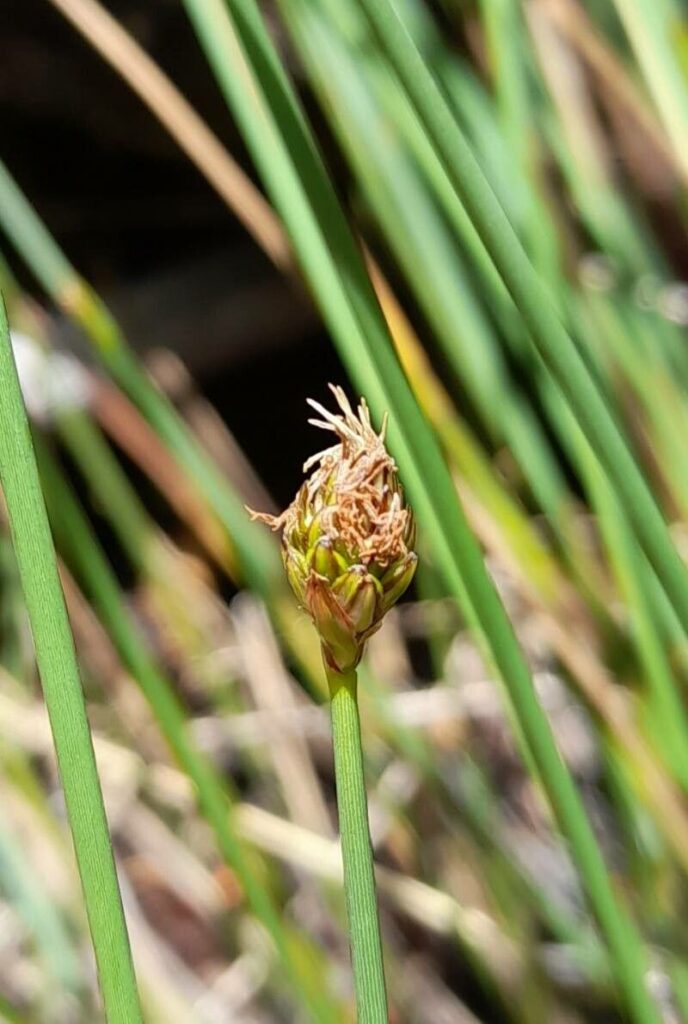
Unveiling the Secrets of Carex Aphylla Propagation: A Guide for Beginners
Carex aphylla, also known as the “leafless sedge,” is a striking and adaptable plant that adds a touch of understated elegance to any garden. Its upright, grassy foliage and delicate flower spikes bring a unique charm to borders, rock gardens, and even containers. But what if you want to expand your collection of this captivating plant? That’s where propagation comes in!
While Carex aphylla may seem like a challenging species to multiply, it can be easily propagated through a simple method: division. Here’s a comprehensive guide to help you successfully expand your Carex aphylla family:
Choosing the Right Time and Location:
- Best Time: Spring is the ideal time for dividing Carex aphylla, as the plant is actively growing and will have the best chance of establishing new roots. You can also attempt this in early fall, but spring is generally more successful.
- Location: Choose a shaded or partially shaded location for your propagation. Direct sunlight can scorch the delicate foliage of young divisions.
The Division Process:
- Prepare the Plant: Gently loosen the soil around the Carex aphylla clump with a garden fork. This will help you lift the plant without damaging its roots.
- Divide the Clump: Using a sharp knife or garden trowel, carefully separate the clump into several smaller divisions. Each division should have at least a few healthy leaves and a good root system.
- Newly Planted Divisions: Plant the newly divided sections in a well-drained soil mix. Make sure the roots are spread out and the crown (where the leaves meet the roots) is at or just slightly above the soil surface. Water thoroughly to settle the soil around the roots.
Post-Division Care:
- Watering: Regular watering is key for newly planted divisions. Keep the soil consistently moist, especially during the first few weeks.
- Fertilizer: Light fertilizing with a balanced fertilizer once a month during the growing season will help the plants thrive.
- Mulch: Apply a layer of mulch around the base of the plants to retain moisture and suppress weeds.
Tips For Even Better Success:
- Size Matters: The size of your divisions plays a role in their success. While smaller divisions can work, aiming for divisions with a good amount of root mass will increase the chances of establishment.
- Potting Mix: Using a well-draining potting mix, especially if you’re planting in containers, will help prevent root rot.
- Patience: It might take a bit of time for the newly divided Carex aphylla to establish themselves. Be patient and provide them with the right care, and they will reward you with their graceful beauty for years to come.
Beyond Division:
While division is the most common method for propagating Carex aphylla, you can experiment with seed propagation for a longer-term project. However, be aware that seeds may take several years to develop into mature plants.
Enjoy the Beauty of Carex Aphylla:
Propagating Carex aphylla allows you to increase your collection of this captivating plant while also enjoying the rewarding experience of nurturing new life. With a little care and attention, you can easily divide and share the beauty of this charming species with other gardening enthusiasts. So get ready to watch these graceful plants thrive and add a touch of natural sophistication to your garden!