
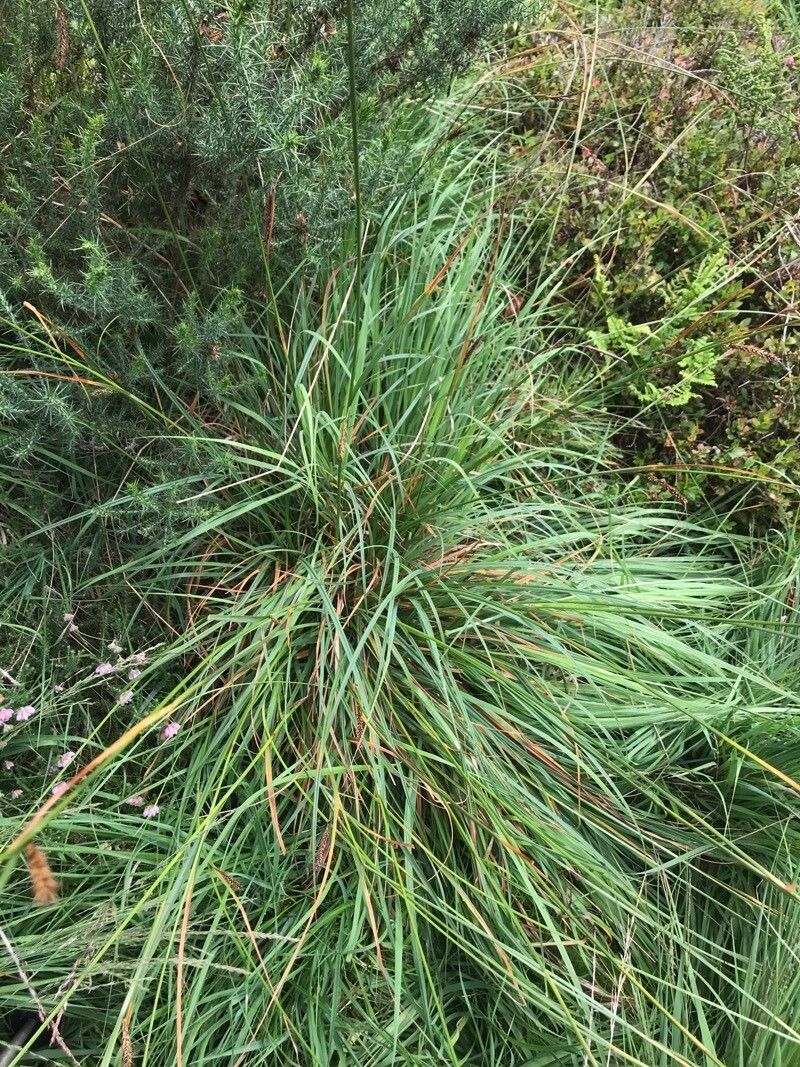
Doubling Your Green Delight: Propagating Carex binervis for a Lush Landscape
Carex binervis, also known as Green-ribbed Sedge, is a popular ornamental grass beloved for its elegant arching foliage and attractive green leaves adorned with distinctive green ribs. This hardy evergreen brings a touch of year-round structure and texture to gardens, thriving in a variety of conditions. If you’re looking to expand your collection or share this beautiful grass with friends, propagation is surprisingly straightforward. Let’s explore the two most effective methods for multiplying your Carex binervis.
1. Division: The Simplest Route to Multiplication
For gardeners who prefer a hands-on approach, division is the easiest and most efficient way to propagate Carex binervis. This method involves splitting a mature plant into smaller sections, each capable of developing into a new, healthy clump.
When to Divide:
The optimal time to divide Carex binervis is during the spring or early fall when the soil is moist and the plant is actively growing. Avoid dividing during periods of extreme heat or drought.
Steps for Division:
- Prepare the New Planting Sites: Choose a location with similar growing conditions to the parent plant – ideally partial shade and well-drained soil. Amend the soil with compost or other organic matter to provide nutrients for the new divisions.
- Dig Up the Parent Plant: Using a sharp spade or garden fork, carefully lift the entire clump of Carex binervis from the ground. Try to keep as much of the root system intact as possible.
- Divide the Clump: Shake off excess soil and gently tease apart the roots with your fingers or a garden knife. Aim for divisions that have a good amount of roots and at least 3-4 healthy shoots.
- Replant the Divisions: Plant each division at the same depth it was originally growing, ensuring the crown of the plant (where the roots meet the shoots) is level with the soil surface. Water thoroughly.
2. Seed Propagation: A More Patient Approach
While slightly more time-consuming, growing Carex binervis from seed can be a rewarding experience. Keep in mind that seed-grown plants may exhibit slight variations compared to the parent plant.
Collecting & Sowing Seeds:
- Seed Collection: In late summer or early fall, you may notice small, brown seed heads developing on the Carex binervis. Collect the seeds once the seed heads turn brown and dry.
- Seed Sowing: You can sow the seeds directly outdoors in fall or start them indoors in late winter/early spring. Use a seed starting mix and sow the seeds shallowly, pressing them gently into the soil.
- Germination: Seed germination can be slow, often taking 4-6 weeks or even longer. Keep the soil consistently moist but not waterlogged.
Caring for Your New Propagations:
Whether you’ve chosen division or seed propagation, proper aftercare is crucial for success. Water newly planted or sown Carex binervis regularly, especially during dry periods. A light application of slow-release fertilizer in spring can promote vigorous growth.
Sharing the Green Bounty:
Once established, your new Carex binervis plants will quickly mature and grace your landscape with their elegant beauty. With their ease of propagation, you’ll have plenty to share with fellow gardening enthusiasts, spreading the joy of this versatile and captivating grass.