
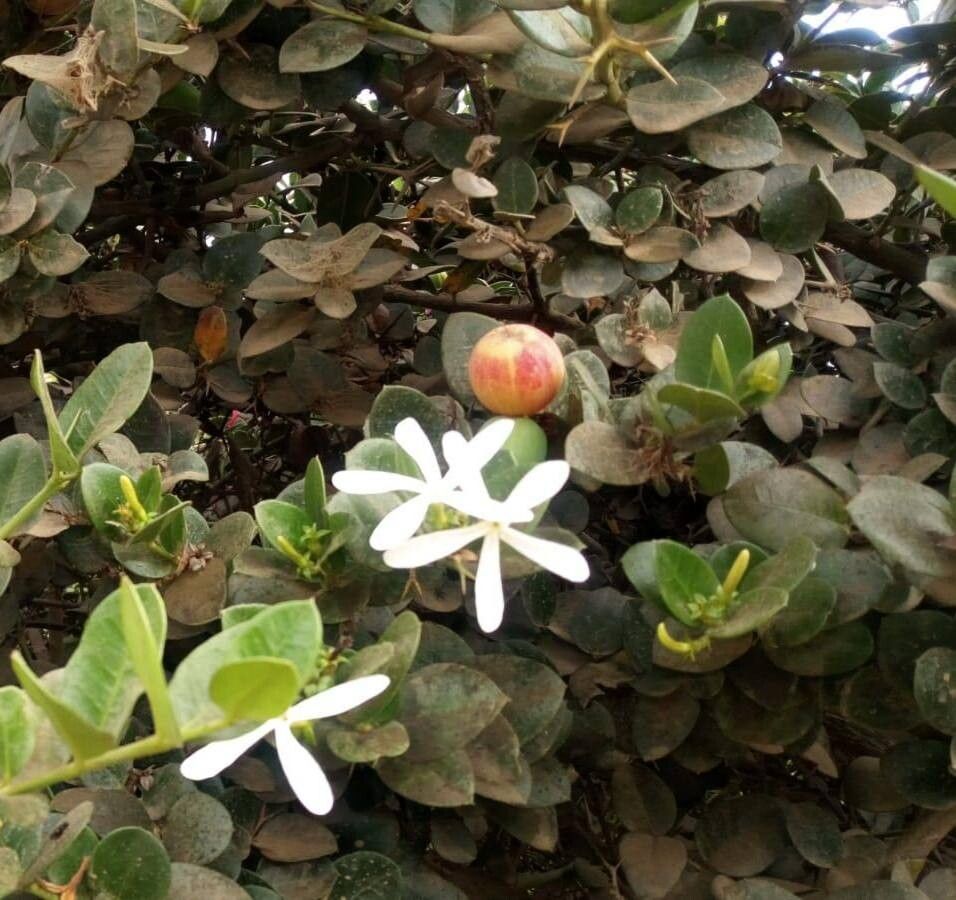
Propagating the Natal Plum: A Gardener’s Guide to Carissa macrocarpa
Carissa macrocarpa, commonly known as the Natal plum, is a captivating evergreen shrub prized for its glossy foliage, fragrant white flowers, and edible, plum-like fruits. Its attractive thorns offer a natural security barrier, making it a popular choice for hedges and landscaping. However, the Natal plum’s popularity extends beyond its aesthetic appeal; its propagation presents unique challenges and rewards, making it a fascinating subject for the dedicated gardener. This article explores various propagation methods, outlining their viability and offering practical advice.
Seed Germination:
Seed germination is a viable method for propagating Carissa macrocarpa, although it presents some challenges. The seeds possess a relatively hard seed coat, which can hinder water uptake and germination. This necessitates a pre-treatment known as scarification, which can be achieved through mechanical methods (e.g., gently filing or nicking the seed coat) or chemical methods (e.g., soaking in concentrated sulfuric acid for a short period, a method best left to experienced propagators). Sow the scarified seeds in well-draining seed-starting mix, maintaining consistently moist (but not waterlogged) conditions at warm temperatures (around 20-25°C). Germination can take several weeks to months.
Challenges: Inconsistent germination rates due to seed quality and the need for careful scarification.
Tips: Scarify seeds before sowing, use a well-draining medium, maintain consistent warmth and moisture.
Rewards: High genetic diversity amongst seedlings, potential for large-scale propagation.
Cuttings:
Propagating Carissa macrocarpa from cuttings is a generally more reliable method than seed germination. Semi-hardwood cuttings, taken from new growth in late spring or early summer, are most successful. Select healthy stems around 10-15 cm long, removing lower leaves to prevent rot. Dip the cut ends in a rooting hormone powder before planting in a well-draining propagation mix. Maintain high humidity (e.g., using a propagator or plastic bag) and warmth. Root development typically takes several weeks.
Challenges: Root rot if the propagation medium is too wet; slow rooting time.
Tips: Use semi-hardwood cuttings, apply rooting hormone, maintain high humidity, ensure good drainage.
Rewards: Faster establishment compared to seedlings, preservation of desirable parent plant characteristics.
Division:
Division of established Natal plum plants is possible, but it’s less common than cuttings or seeds. This method involves carefully separating the root ball into multiple portions, ensuring each division has sufficient roots and stems. Replant the divisions immediately into suitable soil, providing adequate watering and shade to allow them to re-establish. This method is best suited for larger, well-established plants.
Challenges: Disturbance to the main plant, potential for damage to roots, limited number of propagules.
Tips: Choose a well-established plant, divide in spring or autumn, handle carefully, provide post-division care.
Rewards: Quick establishment of new plants; preserves desirable characteristics.
Tissue Culture:
Tissue culture propagation of Carissa macrocarpa is a technically advanced method that offers the potential for mass production of genetically uniform plants. This requires specialized equipment and sterile techniques, making it unsuitable for the home propagator. It’s commonly employed by commercial nurseries for large-scale production.
Challenges: High initial investment in equipment and expertise, contamination risk.
Tips: This method is best left to professionals with specialized knowledge and facilities.
Rewards: Mass propagation of disease-free, genetically identical plants.
Conclusion:
Propagating Carissa macrocarpa offers a range of challenges, from mastering seed scarification techniques to maintaining humidity for cuttings. However, the rewards of successfully cultivating this beautiful and useful plant are significant. Whether you choose seed germination for its inherent genetic diversity, cuttings for their reliability, or division for its ease (in established plants), the journey of propagation is as rewarding as the final result. The unique satisfaction of nurturing a small cutting into a thriving hedge or seeing the first sprout from a germinated seed is a testament to the gardener’s patience and skill. Don’t be discouraged by initial setbacks; experimentation and careful observation are key to mastering the art of Natal plum propagation.