
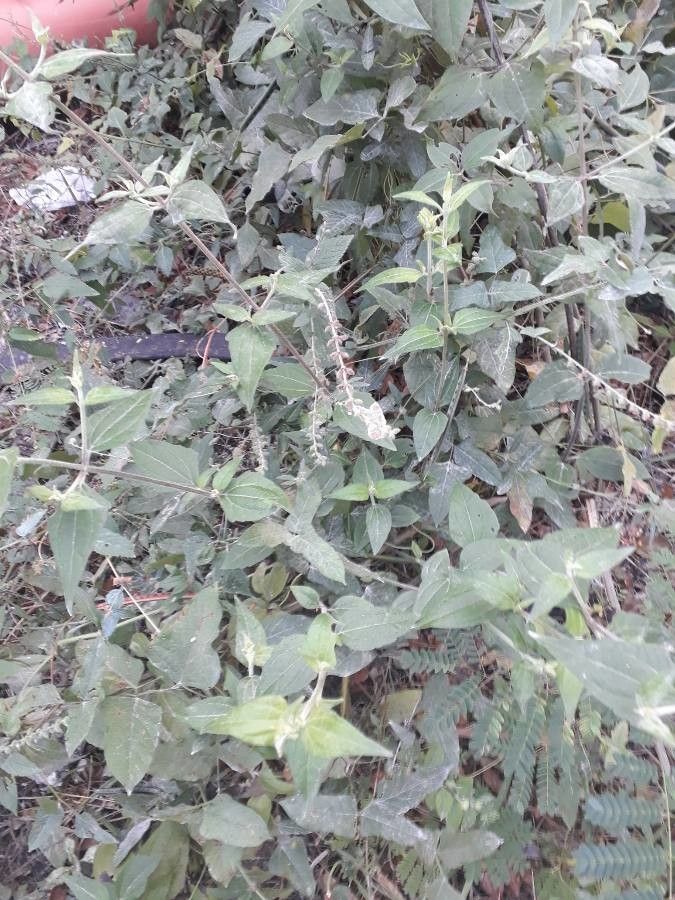
Propagating Carlowrightia parviflora: A Gardener’s Challenge
Carlowrightia parviflora, also known as Smallflower Carlowrightia, is a relatively underappreciated but intriguing perennial shrub native to the south-central United States. Known for its delicate, small white flowers and attractive foliage, it holds a certain charm for those seeking less common additions to their gardens. Its adaptability to various soil types and its drought tolerance add to its horticultural appeal, increasing its desirability among gardeners seeking low-maintenance, resilient plants. However, propagating this gem presents some unique challenges, making successful cultivation even more rewarding.
Seed Germination:
Currently, there are no known reliable methods for seed germination propagation of Carlowrightia parviflora. While the plant produces seeds, their germination rate appears to be extremely low, and successful germination under controlled conditions has not been widely documented. Further research into seed viability and potential germination stimulants is needed.
Cuttings:
Cuttings offer a more promising approach to propagating Carlowrightia parviflora.
Challenges: Success hinges on the timing and technique. Taking cuttings during the active growing season (spring or early summer) is crucial. Using semihardwood cuttings (partially mature stems) often yields better results than softwood cuttings.
Practical Tips: Take cuttings approximately 4-6 inches long, removing the lower leaves to prevent rot. Dip the cut ends in rooting hormone before planting in a well-draining propagation mix (e.g., perlite and peat moss). Maintain high humidity by covering the cuttings with a plastic dome or bag. Consistent moisture is vital, but avoid overwatering, which can lead to fungal diseases. Bottom heat can also significantly improve rooting success.
- Rewards: Cuttings provide a reliable method for cloning a desirable plant, preserving its exact genetic characteristics. This allows for the propagation of specific cultivars with particular traits, such as flower color or leaf shape, that might not be present in seedlings.
Division:
Division is another viable propagation method, though it’s restricted by the plant’s growth habit.
Challenges: Carlowrightia parviflora doesn’t readily form dense clumps like some other perennials. Successful division requires an established, mature plant with well-developed root systems. Dividing the plant too early can significantly stress or even kill it.
Practical Tips: Division should be undertaken in spring or early autumn, when the plant is actively growing or entering dormancy. Carefully dig up the plant, gently separating the root ball into several smaller divisions, ensuring each section retains a healthy root system and some shoots. Replant the divisions immediately in well-prepared soil.
- Rewards: Division offers a relatively quick way to increase the number of plants, and, similar to cuttings, preserves the genetic characteristics of the parent plant.
Tissue Culture:
Tissue culture offers significant potential but presents advanced challenges.
Challenges: Developing a reliable protocol for tissue culture propagation of Carlowrightia parviflora requires laboratory facilities and specialized expertise. Finding the optimal media composition, growth regulators, and sterilization techniques may involve extensive experimentation.
Practical Tips: Expert knowledge within plant tissue culture is essential for successful propagation via this method. Sterile procedures are critical to prevent contamination.
- Rewards: Tissue culture allows for mass propagation of genetically identical plants and offers the potential for disease elimination. It’s the most efficient method for producing large numbers of plants from a small amount of starting material.
Conclusion:
Propagating Carlowrightia parviflora presents challenges across all methods. While seed germination appears unreliable, cuttings and division offer viable approaches for the home gardener with patience and attention to detail. Tissue culture presents a more advanced and efficient option, but requires specialized equipment and expertise. The unique satisfaction of successfully cultivating this plant from a cutting or division lies not only in its beauty but also in the overcoming of the hurdles involved in its propagation. For aspiring propagators, persistence, meticulous attention to detail, and a willingness to learn from any setbacks are key to success. Remember to celebrate even the smallest victories along the way – each rooted cutting or successfully divided plant brings you closer to enjoying the quiet elegance of Carlowrightia parviflora in your garden.