
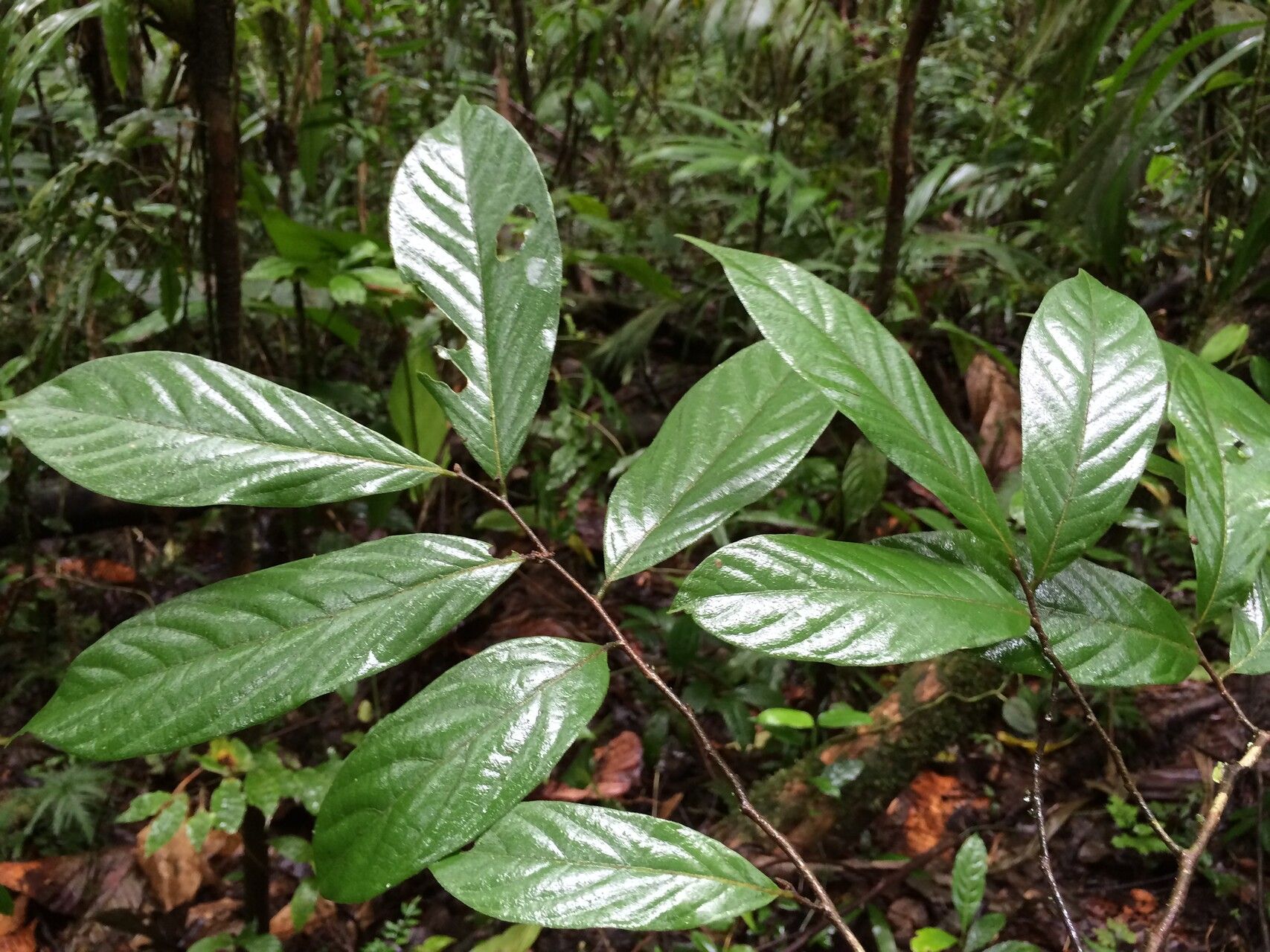
Propagating Sapranthus viridiflorus: A Gardener’s Guide
Sapranthus viridiflorus, also known as the Green-flowered Sapranthus or occasionally the green-flowered custard apple (though that common name is more often applied to other species), is a captivating tropical shrub prized for its unusual, greenish-yellow flowers and its relatively low maintenance needs once established. Its unique appearance makes it a sought-after addition to many tropical and subtropical gardens, hence the interest in successful propagation. However, propagation can present unique challenges, as we’ll explore below.
Seed Germination:
Currently, there are no known reliable methods for seed germination propagation of Sapranthus viridiflorus. While the plant produces seed, germination rates are reportedly extremely low, even under optimal conditions. Research into specific germination requirements – such as specific temperature ranges, light exposure, or pre-treatment methods like scarification or stratification – remains limited. This lack of success likely contributes to the plant’s relatively low availability in nurseries.
Cuttings:
Propagating Sapranthus viridiflorus from cuttings offers a more promising approach than seed germination.
Challenges: The success of cutting propagation relies heavily on the timing and technique. Using semi-hardwood cuttings taken during the late spring or early summer is generally recommended. Maintaining consistently high humidity levels is crucial, often requiring the use of a propagation chamber or humidity dome. Rot is a significant risk, demanding sterile conditions and well-draining propagation medium.
Practical tips: Use a sharp, sterile blade to take cuttings of approximately 4-6 inches long, removing lower leaves to prevent rot. Dip the cut ends in rooting hormone to stimulate root development. Plant the cuttings in a well-draining mix of perlite and peat moss. Maintain a consistently high humidity level (around 80%) and a warm temperature (around 75-80°F).
Rewards: Cuttings offer a reliable method to obtain true-to-type plants, ensuring that the desirable characteristics of the parent plant are replicated. This makes it a preferred method for preserving specific varieties or cultivars.
Division:
Division is generally not a viable method for propagating Sapranthus viridiflorus. The plant lacks the readily divisible rhizomes or root systems typical of plants amenable to division.
Tissue Culture:
Tissue culture propagation offers potential for large-scale multiplication of Sapranthus viridiflorus.
Challenges: Establishing sterile tissue culture protocols for Sapranthus viridiflorus requires expertise in plant tissue culture techniques and would necessitate laboratory facilities and equipment. Finding the optimal media composition, growth regulators, and sterilization protocols necessitates experimentation and trial-and-error.
Practical Tips: Successful tissue culture would involve obtaining aseptic plant material (explants) from healthy, disease-free plants. These explants would then be cultured on a defined nutrient medium supplemented with appropriate plant growth regulators to induce shoot multiplication and root formation. The resulting plantlets would subsequently be acclimatized to greenhouse conditions.
Rewards: Tissue culture allows for rapid and mass propagation, producing a large number of genetically uniform plants in a relatively short time. This would be particularly beneficial for commercial production or large-scale planting projects.
Conclusion:
Propagating Sapranthus viridiflorus presents a unique challenge to the gardener, with seed germination proving unreliable. Cuttings offer a more accessible method, although it requires diligence and attention to detail. Tissue culture emerges as the most efficient option for large-scale propagation but demands specialized knowledge and resources. The rewards for successful propagation, however, are significant. The satisfaction of nurturing a cutting into a thriving plant, or the achievement of successfully establishing a tissue culture protocol, offers a special sense of accomplishment that outweighs the initial difficulties. The beauty and unique nature of this species make the effort worthwhile. To aspiring propagators, don’t be discouraged by initial setbacks. Experimentation, patience, and persistence are key elements to successfully cultivating this fascinating tropical shrub.