
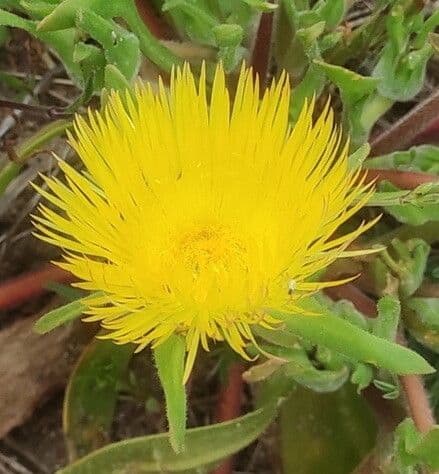
Unlocking the Afternoon Delight: Your Guide to Propagating Carpanthea pomeridiana
Carpanthea pomeridiana, more affectionately known as the “Ice Plant” or “Fig Marigold,” is a captivating groundcover cherished for its vibrant, daisy-like blooms that unfurl in the afternoon sun. While a delight to behold, you might be surprised to learn how easy it is to multiply this sunny charm in your garden. Let’s delve into the world of Carpanthea propagation and unlock a bounty of afternoon delight.
Two Paths to Propagation:
Carpanthea pomeridiana is remarkably versatile when it comes to propagation, offering you two straightforward methods:
-
Seeds: The most common and rewarding method. Carpanthea seeds readily germinate, offering a fulfilling experience for gardeners of all levels.
- Cuttings: While less common, propagating from cuttings provides quicker results and ensures you retain the exact characteristics of the parent plant.
Seed Starting Success:
-
Timing is Key: Aim to sow your Carpanthea seeds indoors 6-8 weeks before the last expected frost in your region. This provides ample time for the seedlings to gain strength before facing the elements.
-
Sowing the Seeds: Use a well-draining seed starting mix and sprinkle your seeds on the surface. Gently press them in, ensuring they receive good contact with the soil, but avoid burying them deeply.
-
Light and Warmth: Place your seed trays in a bright location, out of direct sunlight. Maintain a consistent temperature of around 70-75°F (21-24°C) for optimal germination.
-
Water Wisely: Keep the soil consistently moist but not waterlogged. Using a spray bottle to mist the soil surface can help prevent disturbing the delicate seeds.
- Transplanting Triumph: Once your seedlings develop a few sets of true leaves and all danger of frost has passed, harden them off gradually by introducing them to outdoor conditions for increasingly longer periods. Once acclimated, transplant them into your garden or containers.
Cuttings for a Speedy Start:
-
Choosing Your Cuttings: Select healthy, non-flowering stems from the current year’s growth. Each cutting should be about 3-4 inches long.
-
Prep Your Cuttings: Remove the lower leaves from the bottom inch of the stem, leaving 2-3 leaves at the top. Dip the cut end in rooting hormone (optional but beneficial).
-
Planting Your Cuttings: Insert the cuttings into a well-draining potting mix, ensuring the leaf nodes (where the leaves were removed) are beneath the soil surface.
-
Encouraging Root Development: Maintain a warm, humid environment by covering the pot with a plastic bag or using a propagation dome. Keep the soil consistently moist.
- Transplanting: After 4-6 weeks, gently tug on the cuttings to check for root development. Once rooted, transplant them into individual pots or your garden.
Caring for Your New Additions:
Whether you choose seeds or cuttings, these adaptable plants thrive in well-draining soil and basking in full sun to partial shade. Water them deeply but infrequently, allowing the soil to dry out slightly between waterings. Deadheading spent blooms encourages continuous flowering and prevents self-seeding if you wish to control their spread.
With a little dedication and these simple steps, you’ll soon have a beautiful display of Carpanthea pomeridiana brightening your days. So, grab your gardening gloves and get ready to enjoy a bounty of afternoon delight!