
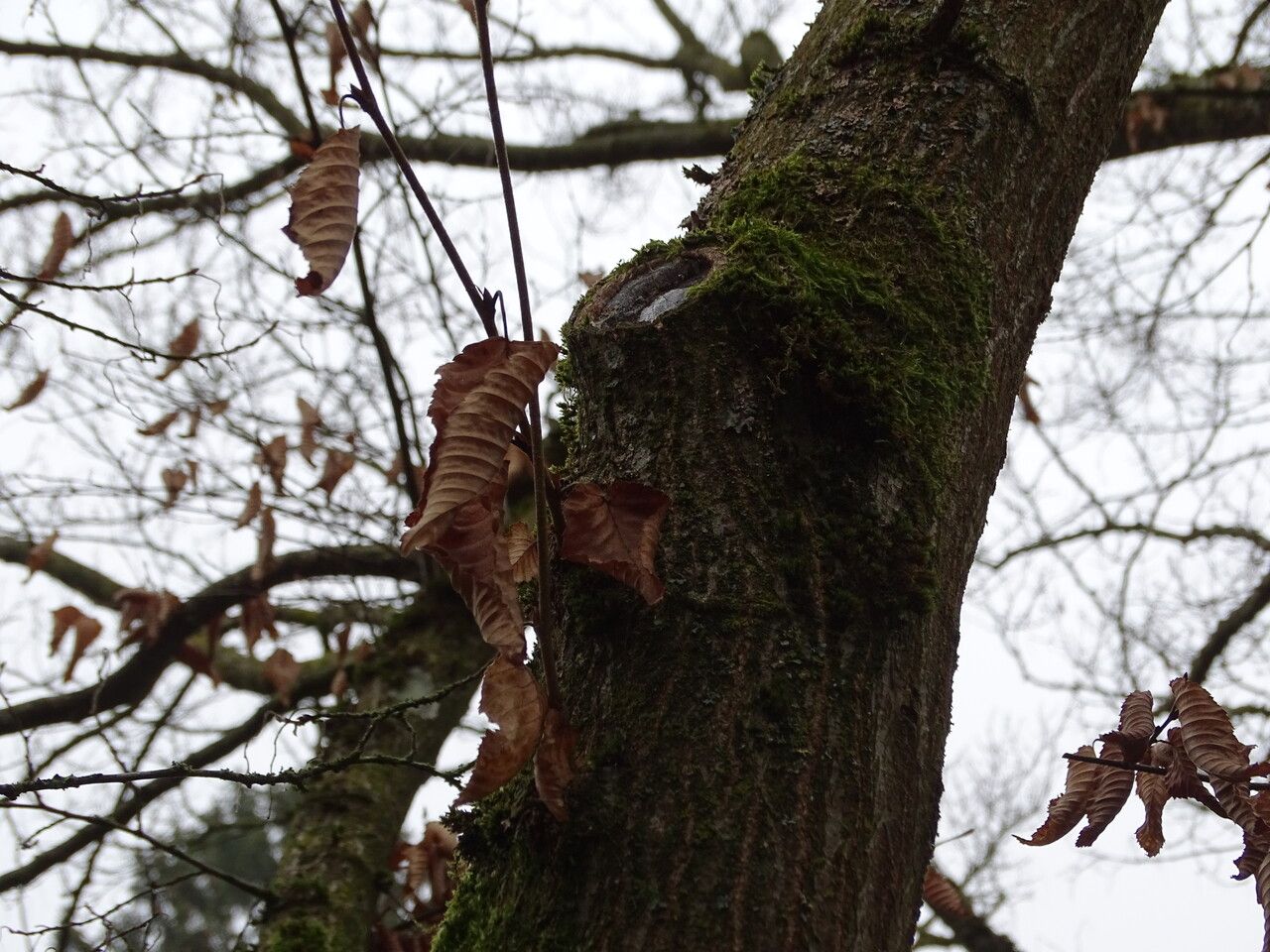
From Seed to Success: Propagating the Elegant Chinese Hornbeam (Carpinus shensiensis)
The Chinese Hornbeam (Carpinus shensiensis) is a stunning tree, renowned for its graceful habit, beautiful foliage, and distinctive bark. Its upright, vase-shaped form and delicate, finely-toothed leaves create a captivating presence in any landscape. But how can you bring this beauty to your own garden? The answer lies in propagation – the art of creating new plants from existing ones.
While the Chinese Hornbeam can be propagated through various methods, let’s dive into the most effective and commonly used:
1. Seed Propagation: Patience is Key
- Harvesting Seeds: Gather ripe seeds from mature trees in fall. Look for the brown, nut-like fruits that fall from the tree after the leaves turn color.
- Seed Preparation: Unlike some seeds, Chinese Hornbeam seeds need a period of cold stratification to break dormancy. Place them in a moist medium like peat moss or vermiculite and store in a refrigerator at 34-41°F (1-5°C) for 3-4 months.
- Sowing Seeds: After stratification, sow seeds directly outdoors in a seedbed or pot filled with well-draining soil and a light layer of compost.
- Germination & Care: Seeds typically germinate in spring, but can take up to a year. Provide consistent moisture and protection from extreme temperatures and strong winds.
2. Cuttings: A Faster Route to New Growth
- Timing is Everything: The best time to take cuttings is in late spring or early summer when the wood is semi-hardwood.
- Taking Cuttings: Select healthy, disease-free shoots with 4-6 nodes. Use a sharp knife or shears to make a clean cut just below a node. Remove all leaves except the top two or three.
- Rooting Medium: Dip the cut end of each cutting in rooting hormone and insert it into a moist rooting medium like perlite, vermiculite, or a mixture of peat moss and sand.
- Rooted in Success: Place the cuttings in a warm, humid environment, preferably with a humidity dome or cover. Keep the medium consistently moist and expect roots to develop within 6-8 weeks.
3. Layering: A Proven Technique for Success
- Types of Layering: Air layering and ground layering are both suitable for propagating Chinese Hornbeam. Air layering involves removing a section of bark from a branch and covering it with rooting medium, while ground layering involves bending a branch to the ground and burying a section.
Success Rate: Both layering methods are highly effective, with healthy, rooted plants typically developing within one year.
Beyond Propagation: A Word on Care
Once your Chinese Hornbeam seedlings or cuttings are established, you need to provide appropriate care:
- Sunlight: The Chinese Hornbeam prefers full sun to partial shade.
- Watering: Water regularly, especially during the first year after planting.
- Soil: Choose a well-drained soil with a slightly acidic pH.
- Fertilization: Use a slow-release fertilizer in early spring to encourage healthy growth.
Conclusion
Propagating the Chinese Hornbeam allows you to enjoy this beautiful tree in your garden, whether you have a small space or a sprawling landscape. Whether you choose seed propagation, cuttings, or layering, each method holds the potential to bring this elegant tree to life. Remember to be patient, consistent, and provide the right conditions, and soon you’ll have your very own Chinese Hornbeam, a testament to the art of propagation and a source of beauty for years to come.