
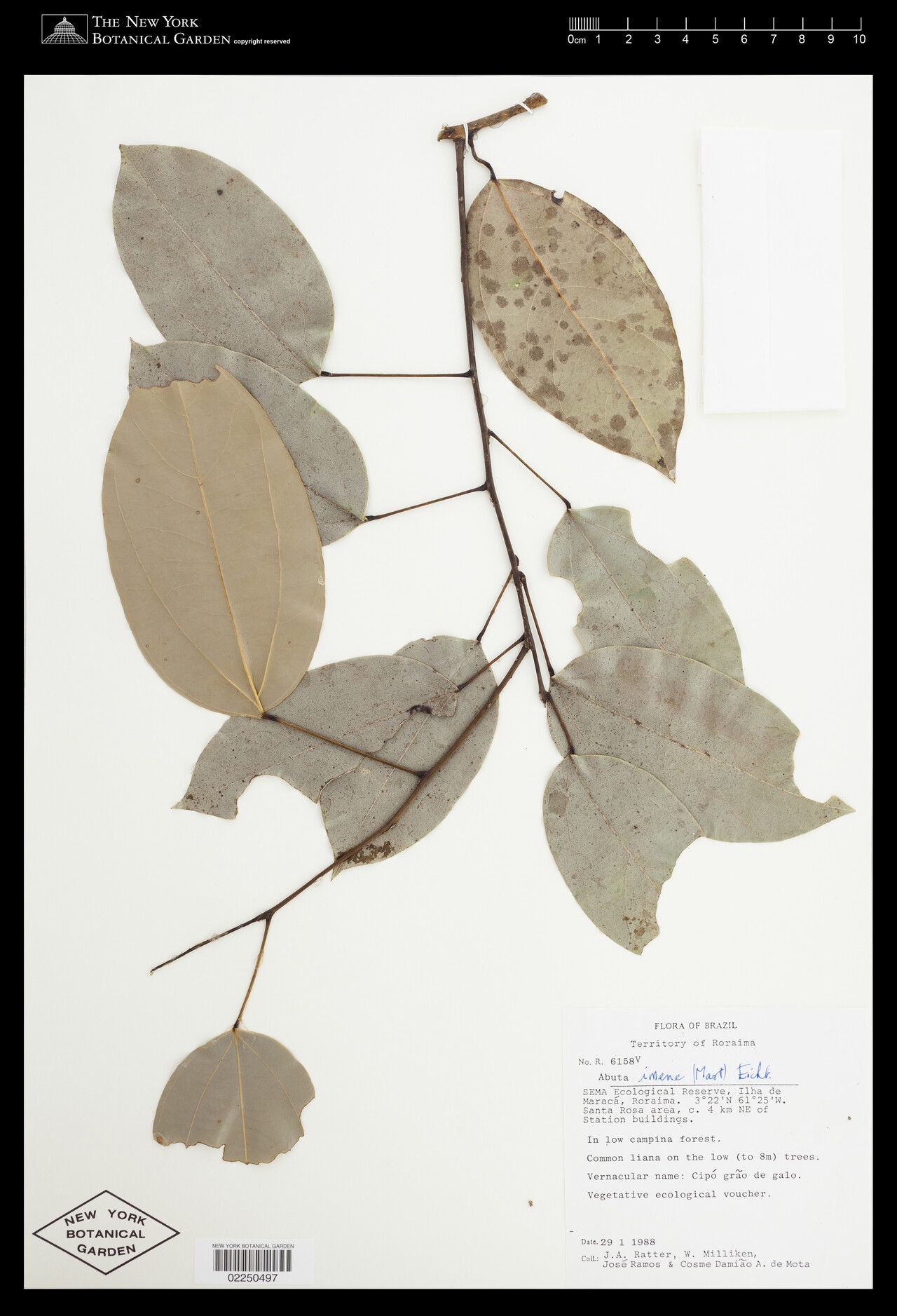
Propagating Abuta imene: A Gardener’s Challenge and Reward
Abuta imene, also known as the "Green Heart Vine" or sometimes simply as "Abuta," is a captivating vine prized for its striking foliage and potential medicinal properties. Its heart-shaped leaves, often with a distinct veining pattern, make it a sought-after addition to both conservatories and, in suitable climates, outdoor gardens. However, propagating this intriguing plant presents unique challenges, demanding patience and a nuanced understanding of its reproductive biology. The rarity and relative lack of widespread cultivation contributes to the limited knowledge available on its propagation.
Seed Germination:
Currently, there are no known reliable methods for seed germination propagation of Abuta imene. While the plant produces seeds, their viability and germination rate remain largely undocumented and appear to be exceptionally low. Further research into seed pretreatment techniques, including potential stratification or scarification methods, might be necessary before seed germination proves a reliable propagation method.
Cuttings:
Cuttings offer a potentially more viable approach to propagating Abuta imene. The challenges lie primarily in rooting the cuttings successfully.
Challenges: Abuta imene cuttings can be slow to root, and success rates might be variable depending on the timing (ideally taking cuttings from actively growing shoots), the cutting type (semi-hardwood cuttings are likely best), and the rooting medium (a well-draining mix with added perlite or vermiculite is recommended). The use of rooting hormones may also significantly improve success.
Practical Tips: Take cuttings approximately 4-6 inches long, removing lower leaves to prevent rotting. Dip the cut ends in rooting hormone and plant them in a moist, well-draining mix. Maintain high humidity (using a humidity dome or propagator) and warmth (around 70-75°F) to enhance rooting. Regular misting is crucial to prevent desiccation.
- Rewards: Cuttings, if successful, provide a relatively quick way to increase the number of plants, preserving the genetic characteristics of the parent plant.
Division:
Division is not a practical method for propagating Abuta imene. The plant’s root system and growth habit don’t readily lend themselves to division, making this method ineffective and likely to injure the mother plant.
Tissue Culture:
Tissue culture holds promise as a potentially efficient method for mass propagation of Abuta imene.
Challenges: Establishing a successful tissue culture protocol requires specialized knowledge, equipment, and sterile laboratory conditions. Optimizing the nutrient media, plant growth regulators, and sterilization techniques requires extensive experimentation.
Practical Tips: Research and collaboration with experienced tissue culturists are crucial for success. Finding the right media composition, including the balance of macronutrients, micronutrients, and plant growth regulators (auxins and cytokinins), is critical for optimal shoot multiplication and rooting.
- Rewards: Tissue culture offers the potential for large-scale propagation, producing numerous genetically identical plants from a small amount of starting material. This is particularly valuable for preserving rare or endangered varieties.
Conclusion:
Propagating Abuta imene presents significant challenges, with seed germination currently proving unreliable. Cuttings offer a more accessible method, albeit one that requires patience and attention to detail. Tissue culture holds the most potential for large-scale propagation but necessitates specialized expertise and resources. The rewards, however, for successfully cultivating this striking vine are well worth the effort. The unique satisfaction lies not only in the beauty of the plant itself but also in overcoming the propagation hurdles and witnessing the successful growth of these captivating vines, a testament to the gardener’s dedication and perseverance. Aspiring propagators should focus on mastering cutting propagation techniques initially, while considering tissue culture as a long-term goal for larger-scale production. Remember, patience and careful observation are key to success with this fascinating plant.
