Propagating Abuta grandifolia: A Gardener’s Guide to a Challenging but Rewarding Vine
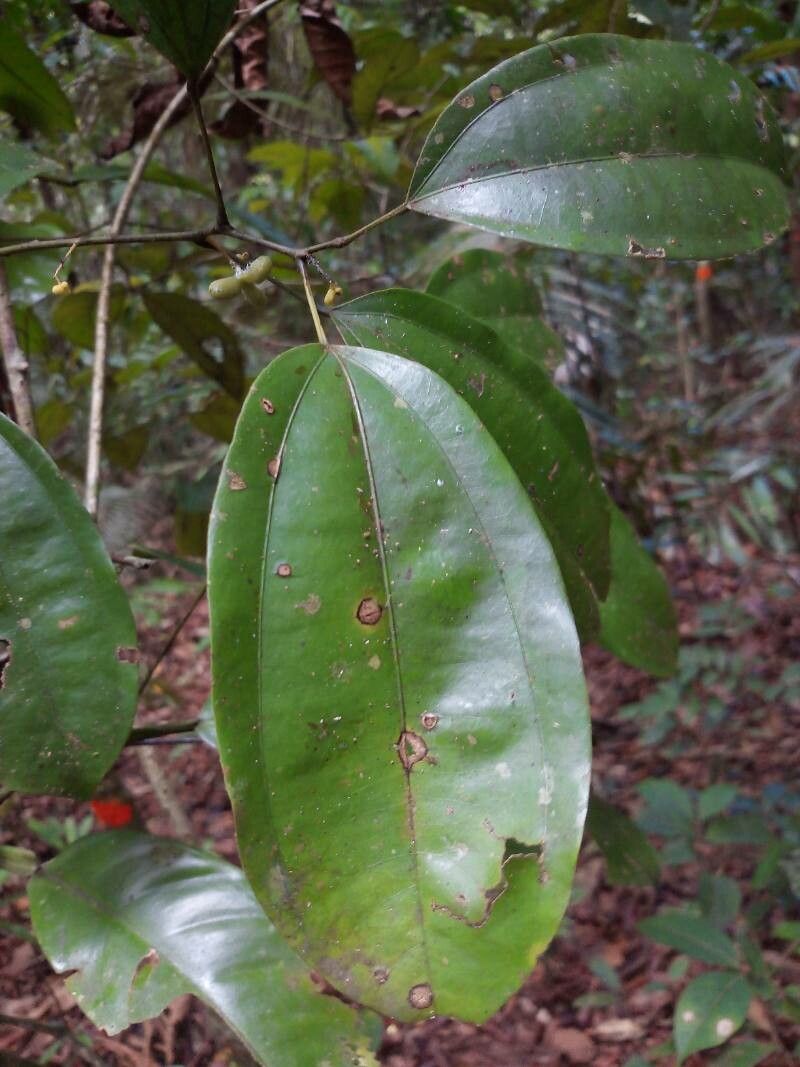
Abuta grandifolia, also known as the large-leaved abuta or simply abuta, is a captivating vine prized for its attractive foliage and potential medicinal properties. Its large, heart-shaped leaves and often-overlooked delicate flowers make it a sought-after addition to collections of tropical and subtropical plant enthusiasts, despite its challenging propagation. This article explores various methods of propagating this intriguing plant, outlining both the hurdles and triumphs awaiting the dedicated gardener.
Seed Germination:
Currently, there are no known reliable methods for seed germination propagation of Abuta grandifolia. While seeds may be produced, their viability and germination rates are extremely low, likely due to dormancy mechanisms and possibly specific environmental requirements yet to be scientifically determined. Further research is necessary to determine if pre-treatment techniques such as scarification or stratification could improve germination success. For now, relying on seeds for propagation is not a practical approach.
Cuttings:
Cuttings present a more promising avenue for propagating Abuta grandifolia. However, success hinges on several crucial factors.
Challenges: Rooted cuttings are challenging to obtain. The vine’s semi-woody stems can be difficult to root, requiring meticulous attention to detail. Fungal infections are a potential problem, particularly in humid conditions often favored by the plant.
Practical Tips: Take semi-hardwood cuttings in late spring or early summer from actively growing shoots. Use a sharp, clean blade to prevent the introduction of pathogens. Apply a rooting hormone to the cut end and plant the cuttings in a well-draining mix of perlite and peat moss. Maintain high humidity using a humidity dome or plastic bag. Provide bottom heat to encourage root development. Consistent warmth and indirect sunlight are crucial. Proper sanitation of tools and propagation medium can significantly decrease the risk of fungal issues.
Rewards: Successfully rooted cuttings offer a faster route to a mature plant compared to other methods. While not generating genetic diversity like seed propagation, cuttings allow for the multiplication of desirable traits from existing plants. This method is ideal for maintaining specific cultivars.
Division:
Division of established plants is another possibility, but carries significant limitations.
Challenges: Abuta grandifolia’s root system is not easily divided without considerable damage to the mother plant, potentially leading to its decline. The disturbance during division could stress the plant, making it susceptible to disease.
Practical Tips: Division, if attempted, should only be done on larger, well-established plants. Carefully separate the root ball, ensuring each section possesses ample roots and healthy growing shoots. Replant the divisions immediately into well-prepared soil and provide ample water and shade until they re-establish themselves.
Rewards: Division can offer a quick way to increase the number of plants, but should only be considered a supplementary method given the potential risk to the parent plant. This method is not ideal for the large-scale propagation of the plant.
Tissue Culture:
Tissue culture offers the potential for large-scale propagation of Abuta grandifolia, yet this method presents distinct complexities.
Challenges: Establishing a sterile protocol for this vine could be challenging. Developing appropriate culture media for optimal shoot multiplication and root induction might require extensive experimentation. Tissue culture expertise and dedicated facilities are prerequisites for this method.
Practical Tips: Researchers should focus on identifying appropriate sterilizing agents and suitable growth media. Optimizing hormonal concentrations for shoot multiplication and rooting will be essential.
Rewards: Tissue culture holds the potential for rapid multiplication of superior plants and disease-free propagation. It is the foremost promising method for large-scale commercial production. It also provides the opportunity for genetic improvement efforts that could, in turn, improve propagation via other methods in the future.
Conclusion:
Propagating Abuta grandifolia presents a significant challenge to even experienced gardeners. While seed germination seems currently unviable, cuttings offer the most practical method for propagation in home settings. Division is risky, and tissue culture offers the ideal path for large-scale production, though it requires considerable expertise and resources. The rewards – cultivating this beautiful and potentially valuable vine – are well worth the effort for those passionate enough to overcome the hurdles. The satisfaction derived from nurturing a cutting into a thriving plant will undoubtedly be immense, underscoring the rewarding journey of cultivating this fascinating species. Remember patience, persistence, and meticulous attention to detail will greatly increase your chances of success.