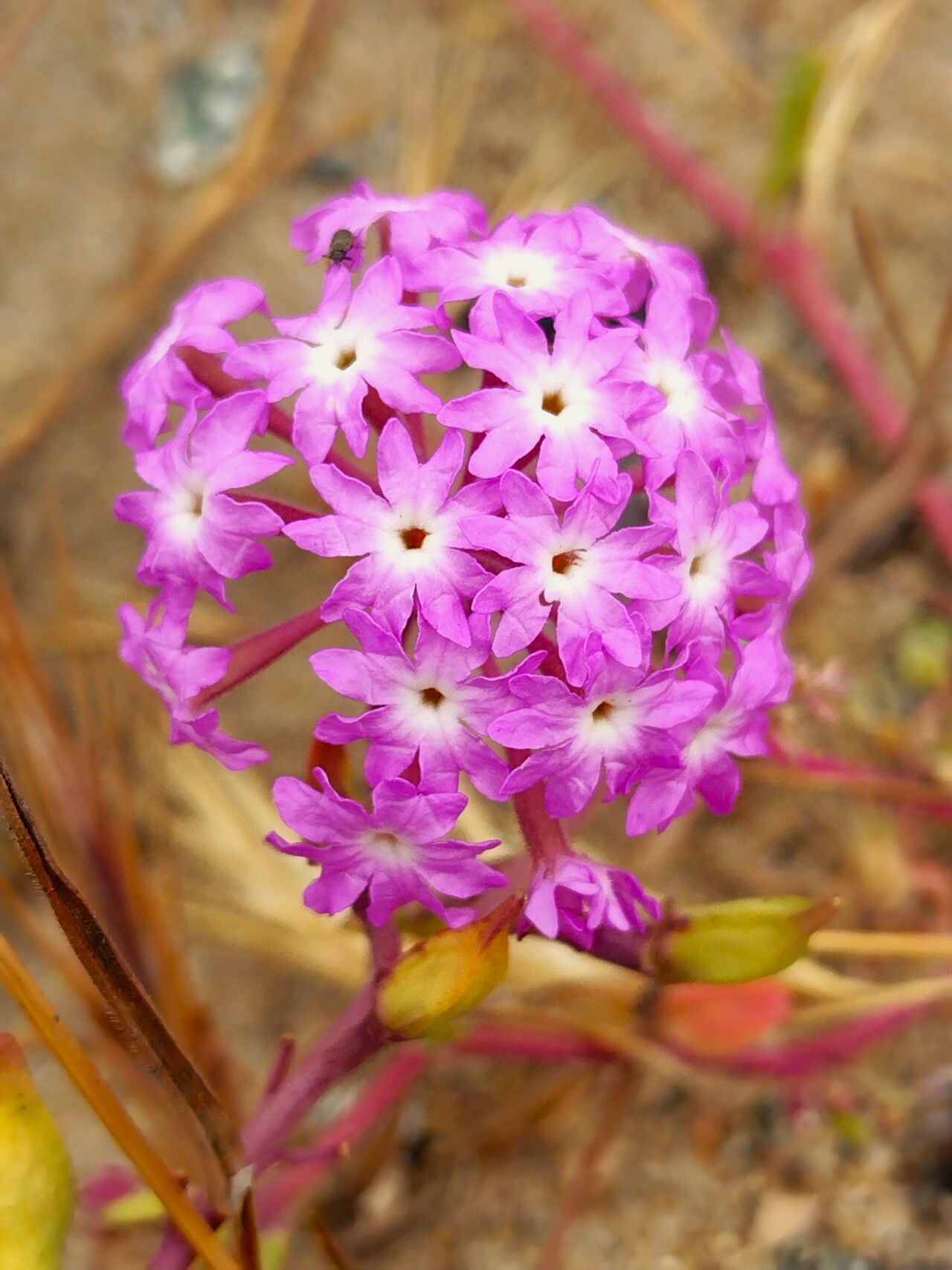
Propagating Abronia umbellata: The Sand Verbena’s Secrets
Introduction:
Abronia umbellata, commonly known as sand verbena, is a charming, low-growing perennial prized for its vibrant, fragrant flowers and sprawling habit. Its vibrant pink, red, or white blossoms attract pollinators, while its trailing nature makes it ideal for ground cover, rock gardens, or hanging baskets. Sand verbena’s popularity stems from its hardiness, drought tolerance, and ease of care once established. However, propagation can present some challenges, making successful cultivation all the more rewarding. This article explores various propagation methods for Abronia umbellata, weighing their effectiveness and highlighting practical tips.
Seed Germination:
Seed germination for Abronia umbellata is possible but often unreliable. The seeds possess a hard seed coat, which can inhibit germination. Challenges include low germination rates and inconsistent results.
Practical Tips: Scarification (lightly scratching the seed coat) and cold stratification (exposing seeds to cold temperatures for several weeks) may improve germination rates. Sow seeds in a well-draining seed-starting mix, barely covering them with soil. Maintain consistently moist (but not waterlogged) conditions and warm temperatures (around 70°F/21°C).
Rewards: Successful seed germination offers the potential for increased genetic diversity within a collection and is a cost-effective method for large-scale propagation.
Cuttings:
Propagation via cuttings shows more promise than seed germination. Softwood or semi-hardwood cuttings taken in spring or early summer are generally the most successful.
Practical Tips: Take 4-6 inch cuttings, removing lower leaves to prevent rot. Dip the cut ends in rooting hormone before planting in a well-draining medium, such as a mix of perlite and vermiculite. Maintain high humidity (using a humidity dome or plastic bag) and consistent moisture.
Rewards: Cuttings offer a faster and more reliable method of propagation than seeds, preserving the exact characteristics of the parent plant.
Division:
Division is a straightforward and highly successful method for propagating established Abronia umbellata plants.
Practical Tips: Divide mature plants in spring or fall. Carefully dig up the plant, gently separating the root crown into smaller sections, each with its own roots and shoots. Replant the divisions in well-prepared soil, ensuring adequate spacing.
Rewards: Division yields quick results and provides an easy way to increase the number of plants without the uncertainties of seed germination or cuttings.
Tissue Culture:
Currently, there are no widely available or readily accessible protocols for tissue culture propagation of Abronia umbellata. While theoretically possible, this method requires specialized equipment, expertise, and sterile conditions – making it unsuitable for the average home gardener.
Conclusion:
Propagating Abronia umbellata presents a unique set of challenges and rewards. While seed germination offers the reward of genetic diversity, its low success rate makes cuttings or division significantly more reliable options for increasing the numbers of these beautiful plants. Division represents the most straightforward approach for home gardeners, while cuttings offer a balance between reliability and preserving the parent plant’s traits. The investment of time and effort in successfully propagating sand verbena, regardless of the method, is richly rewarded by the vibrant blooms and pleasing fragrance this captivating plant offers. Don’t be discouraged by initial setbacks; persistence and careful attention to detail will ultimately lead to the satisfaction of cultivating this resilient and beautiful species.