
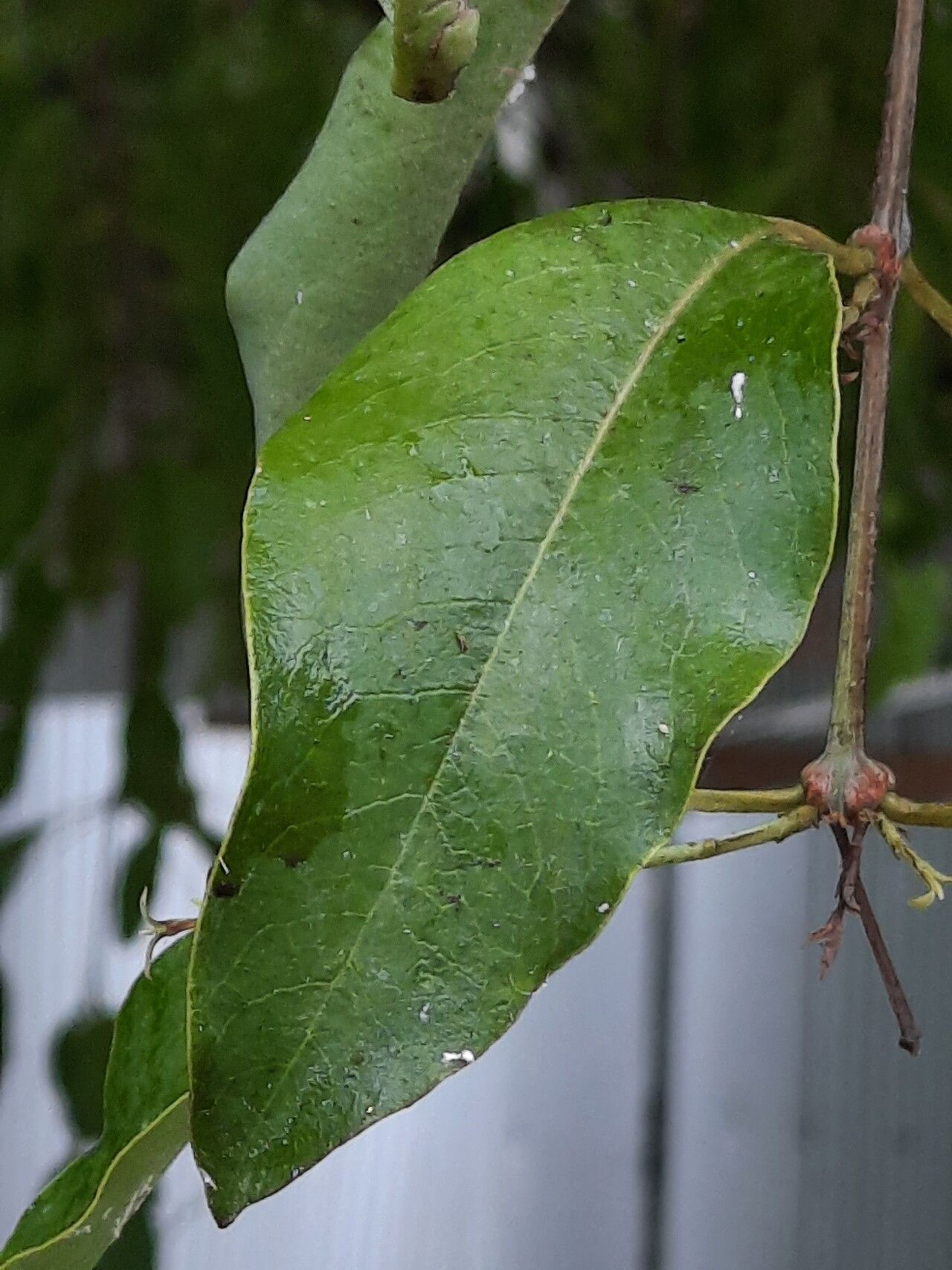
The Art of Cultivating Sandalwood: Propagating Santalum album
Sandalwood, with its alluring fragrance and revered history, holds a mystical aura. Specifically, the Santalum album species, also known as Indian sandalwood, is prized for its aromatic heartwood used in perfumes, incense, and traditional medicine. But have you ever wondered how this precious tree is cultivated? Let’s delve into the fascinating, and somewhat challenging, world of Santalum album propagation.
Understanding the Hemiparasite:
Unlike most trees, Santalum album is a hemiparasite. This means that while it can photosynthesize and produce its food, it also relies on a host plant for essential nutrients. Specifically, Santalum album seedlings require a suitable host within their first two years to survive. This unique characteristic adds a layer of complexity to propagation.
Methods of Propagation:
Seed Germination: Santalum album seeds boast a notoriously hard seed coat, hindering germination. Here’s how to increase your chances of success:
- Scarification: Gently rub the seeds with sandpaper to nick the outer layer, allowing water absorption.
- Soaking: Soak the scarified seeds in warm water for 24 hours before sowing.
- Sowing: Sow seeds in a well-draining potting mix, keeping them moist but not waterlogged.
Host Plant Selection: This is crucial for successful Santalum album propagation. Ideal hosts include nitrogen-fixing legumes like Cajanus cajan (pigeon pea) or Acacia species. Here’s the process:
- Simultaneous Planting: Sow host plant seeds directly in the pot or area where you sowed your sandalwood seeds.
- Later Introduction: Introduce host plants when sandalwood seedlings are about 3-4 months old.
Care During Early Stages:
- Sunlight: Provide partial shade during the first year, gradually increasing sunlight exposure.
- Watering: Maintain consistent moisture, especially during dry periods, but avoid overwatering.
- Fertilization: While the host plant provides some nutrients, supplementing with organic fertilizers can benefit growth.
Challenges and Considerations:
- Slow Growth: Be patient! Santalum album is known for its slow growth rate. It can take 10-15 years before the heartwood develops its characteristic fragrance.
- Host Plant Management: Regularly prune the host plant to prevent it from overshadowing the sandalwood seedling.
- Pests and Diseases: Be vigilant about potential threats and address them promptly.
The Rewards of Patience:
Though propagating Santalum album requires dedication and a touch of green thumb magic, the rewards are immeasurable. The satisfaction of nurturing this revered tree from seed to a fragrant, mature specimen is a unique journey. Not only will you contribute to the conservation of this precious species, but you’ll also have the privilege of experiencing the captivating scent of homegrown sandalwood – a treasure worth waiting for.