
Propagating Carpobrotus edulis: A Guide to Growing the Ficoid
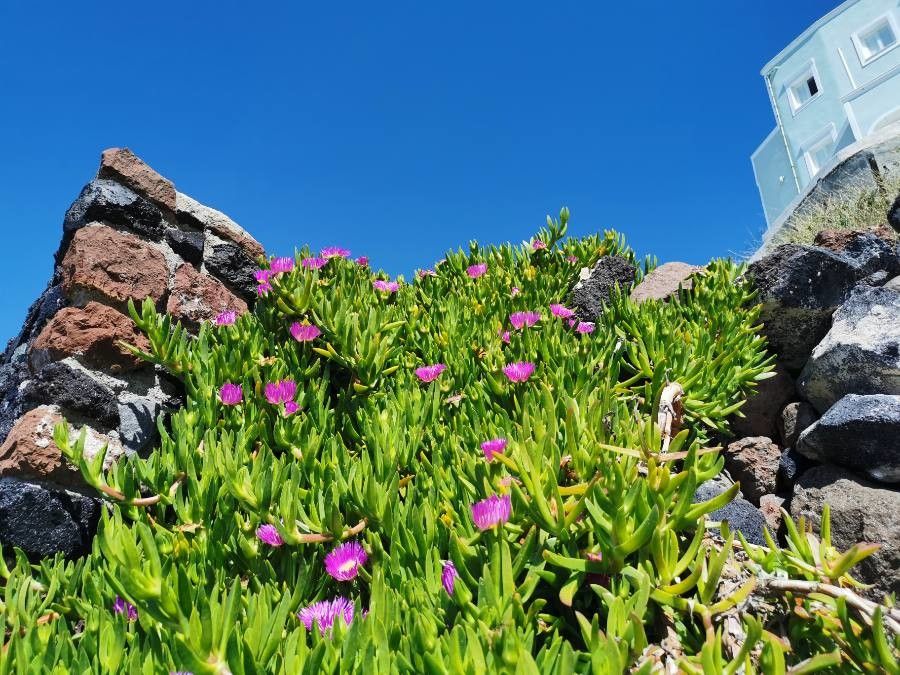
Carpobrotus edulis, commonly known as Hottentot fig, is a succulent groundcover prized for its vibrant, daisy-like flowers and vigorous growth habit. Its tolerance to drought and harsh conditions makes it a popular choice for coastal gardens and erosion control. However, its invasive potential in certain regions necessitates careful consideration before planting. Propagation, while achievable, presents some unique challenges.
Seed Germination:
Seed germination for Carpobrotus edulis is viable, but presents several challenges. The seeds possess a hard seed coat, requiring scarification – a process of weakening or breaking the seed coat to facilitate water uptake and germination. This can be achieved through mechanical abrasion (e.g., gently rubbing the seeds with sandpaper) or by soaking the seeds in hot water (around 80°C) for a short period.
Challenges: Low germination rates are common, even with scarification. Irregular ripening and dormancy periods can further complicate the process.
Practical Tips: Sow seeds in well-draining, sandy soil mix. Maintain a consistently moist (but not waterlogged) environment. Warm temperatures (around 20-25°C) are optimal. Consider stratification (simulating winter conditions) by chilling the seeds for a few weeks before sowing; this step may improve germination rates.
Rewards: Successful seed germination offers the advantage of significant genetic diversity, leading to a wider range of plant characteristics. It’s also a potentially cost-effective method for large-scale propagation, especially for conservation or restoration projects.
Cuttings:
Cuttings are a far more reliable and successful method for propagating Carpobrotus edulis.
Challenges: While relatively straightforward, rooting cuttings may still fail if not handled correctly. Overwatering or poor drainage can lead to rot.
Practical Tips: Take stem cuttings of about 10-15cm in length, ensuring each cutting has several nodes (points where leaves emerge). Allow the cut ends to callus over for a few days before planting. Plant cuttings in a well-draining substrate, such as a mix of sand and perlite, and keep them slightly moist. Rooting hormones can improve success rates.
Rewards: Cuttings provide faster and more predictable propagation compared to seeds. This method is ideal for quickly increasing the numbers of a specific, desirable cultivar.
Division:
Division involves separating established plants into smaller sections, each containing its own roots and shoots.
Challenges: This method is only viable for mature, well-established plants. Improper division can damage the parent plant, hindering its growth or even killing it.
Practical Tips: Carefully dig up the mature plant and gently separate it into smaller sections, ensuring each division has a healthy root system. Replant the divisions in well-prepared soil.
Rewards: Division offers a rapid way to increase the number of plants while preserving the genetic characteristics of the parent plant.
Tissue Culture:
Tissue culture propagation of Carpobrotus edulis is possible, but typically reserved for laboratories and commercial nurseries due to the specialized equipment and sterile conditions required.
Challenges: This method requires specific expertise, specialized equipment, and a controlled environment. It’s a complex and expensive technique.
Practical Tips: This requires professional training and facilities.
Rewards: Tissue culture offers the ability for mass propagation of disease-free plants, maintaining genetic uniformity and allowing for rapid multiplication of rare or valuable cultivars.
Conclusion:
Propagating Carpobrotus edulis presents a unique blend of challenges and rewards. While seed propagation offers genetic diversity but involves lower success rates, cuttings provide a more predictable and efficient method. Division is a viable option for established plants, and tissue culture offers the potential for large-scale multiplication within a controlled environment. The satisfaction of successfully propagating this resilient plant, despite the hurdles involved, lies in witnessing the transformation from a small cutting or seed into a thriving, flowering groundcover. The resilience and adaptability of Carpobrotus edulis, mirrored in the persistence required for its propagation, makes the cultivation experience deeply rewarding for the dedicated gardener. Remember to consider the invasive potential of this plant and choose propagation methods appropriate for your local environment and regulations.