
From Tiny Snippet to Lush Carpet: Propagating the Hardy Carpobrotus modestus
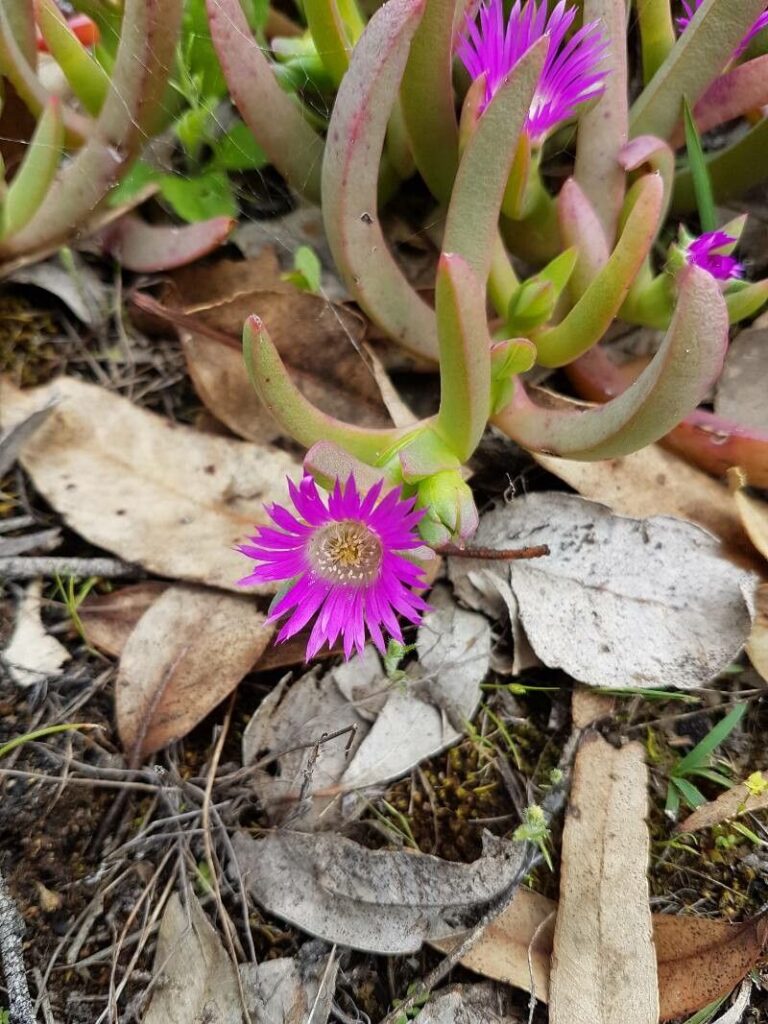
Carpobrotus modestus, more commonly known as the “pigface” or “sea fig,” is a succulent wonder that thrives in harsh coastal conditions. Its vibrant green foliage and cheerful, daisy-like blooms make it a popular choice for gardens and landscaping, adding a pop of color and texture to any space. But beyond its aesthetic appeal, the pigface plant boasts a remarkable resilience, offering a unique challenge and reward for gardeners: propagation.
The Art of Propagation
Propagating plants, in simple terms, is the process of creating new plants from existing ones. And when it comes to Carpobrotus modestus, there are two key methods:
1. Cuttings: The most common and easiest way to propagate pigface is through cuttings. This method relies on the plant’s ability to grow new roots from stem fragments.
- Collecting Cuttings: Choose healthy, mature stems, ideally devoid of flowers or fruit, and use sharp, clean pruning shears to make cuts 4-6 inches long.
- Preparing Cuttings: Remove the bottom leaves to expose the stem’s base. Allow the cuttings to dry and callous over for a day or two, which helps prevent rotting.
- Planting Cuttings: Plant the cuttings in a well-draining potting mix, burying them about half their length. Place them in a bright, indirect light location, keeping the soil slightly moist.
2. Seeds: While slower and more involved than cuttings, propagating from seeds offers the chance to grow multiple new plants.
- Collecting Seeds: Harvest mature fruits, which will be plump and slightly wrinkled. Extract the seeds and rinse them in water to remove any pulp.
- Preparing Seeds: Allow the seeds to dry completely before sowing. Alternatively, you can scarify the seeds (lightly scratch the outer coating) to enhance germination.
- Sowing Seeds: Sow the seeds in a seed tray filled with a well-draining seed-starting mix. Cover the seeds lightly with soil and maintain a consistently moist environment with a humidity dome.
Nurturing New Pigface Plants
Once you’ve propagated your pigface plants, provide them with the necessary care to ensure their healthy development:
- Sunlight: Carpobrotus modestus thrives in full sun to partial shade. Ensure your new plants receive at least 6 hours of direct sunlight daily.
- Watering: While drought-tolerant, young pigface plants require consistent watering, especially during the initial growth phases. Allow the potting mix to dry slightly between watering sessions.
- Fertilizer: You can fertilize your pigface plants periodically for optimal growth, using a balanced liquid fertilizer diluted according to the manufacturer’s instructions.
Important Considerations:
- Invasion Potential: It’s important to note that Carpobrotus modestus, while a lovely plant, has been classified as an invasive species in some regions. Before planting it, research its status in your local area and take necessary precautions to prevent unintended spread.
- Frost Tolerance: Pigface is generally considered hardy, but it has limited tolerance to frost. In colder climates, it may need to be grown indoors or protected during winter.
From Seed to Plant to Garden Oasis
Propagating Carpobrotus modestus is a fascinating journey that rewards you with the satisfaction of creating new life. Whether you choose cuttings or seeds, this resilient succulent plant offers a unique opportunity to enjoy the vibrant beauty and resilience of nature while contributing to a thriving garden oasis. So, roll up your sleeves, grab some gardening tools, and let the joy of propagation flourish!