
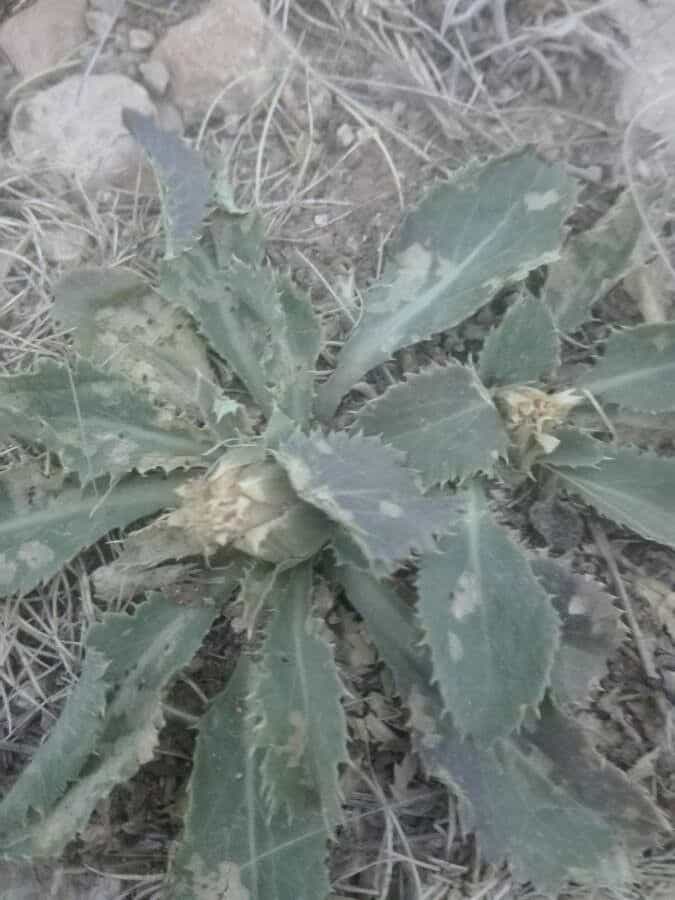
Feathery Flair: How to Propagate the Stunning Carthamus plumosus
The Carthamus plumosus, also known as the plumed saffron or woolly thistle, is a captivating plant that deserves more attention. Adorned with silvery-green, feathery foliage and crowned with vibrant, thistle-like blooms, it offers a unique textural and visual appeal, making it a stunning addition to any garden or floral arrangement. But its allure isn’t just skin deep; this hardy plant is remarkably low-maintenance and drought-tolerant.
Intrigued? Let’s explore how you can easily propagate and multiply your Carthamus plumosus, filling your space with its captivating presence.
Getting Started:
First things first, Carthamus plumosus is a prolific self-seeder. If you have an existing plant, chances are you’ll find numerous seedlings popping up around its base in spring. These volunteer seedlings can be carefully transplanted to desired locations. However, if you’re looking for more controlled propagation methods, let’s delve into the two most effective approaches:
1. Seed Propagation:
- Collecting Seeds: As the Carthamus plumosus flowers fade, they develop seed heads. Collect the seeds once the heads turn brown and dry.
- Sowing: You can sow seeds directly into the ground in late fall or early spring, or start them indoors 4-6 weeks before the last frost.
- Soil and Sunlight: Use a well-draining soil mix and provide ample sunlight for optimal germination.
- Germination: Be patient, as germination can take anywhere from 2 to 4 weeks.
- Thinning: Once the seedlings develop a few sets of true leaves, thin them out to ensure proper spacing and airflow.
- Timing is Key: Early spring, just before new growth emerges, is the ideal time for dividing established Carthamus plumosus plants.
- Dividing the Clump: Carefully lift the entire plant from the ground, gently shaking off any loose soil. Using a sharp, clean knife or garden shears, divide the clump into smaller sections, ensuring each segment has healthy roots and shoots.
- Replanting: Replant the divisions at the same depth they were previously growing, ensuring adequate spacing between each plant. Water thoroughly after replanting.
Caring for Your New Propagations:
Like their parent plants, Carthamus plumosus propagations are relatively low-maintenance. Here are some tips for ensuring their success:
- Sunlight: Plant in a location that receives at least 6 hours of direct sunlight daily.
- Watering: While drought-tolerant once established, water regularly during the first growing season to establish a strong root system.
- Soil: Ensure well-drained soil to prevent root rot.
- Fertilizing: These plants are not heavy feeders, but a light application of balanced fertilizer in spring can promote robust growth.
With its unique beauty and ease of propagation, Carthamus plumosus is truly a gardener’s delight. Whether you choose to collect seeds or divide an existing plant, you’ll be rewarded with an abundance of these feathery beauties to elevate your garden’s allure. So, why wait? Embark on your propagation journey today and experience the joy of nurturing these captivating plants!