
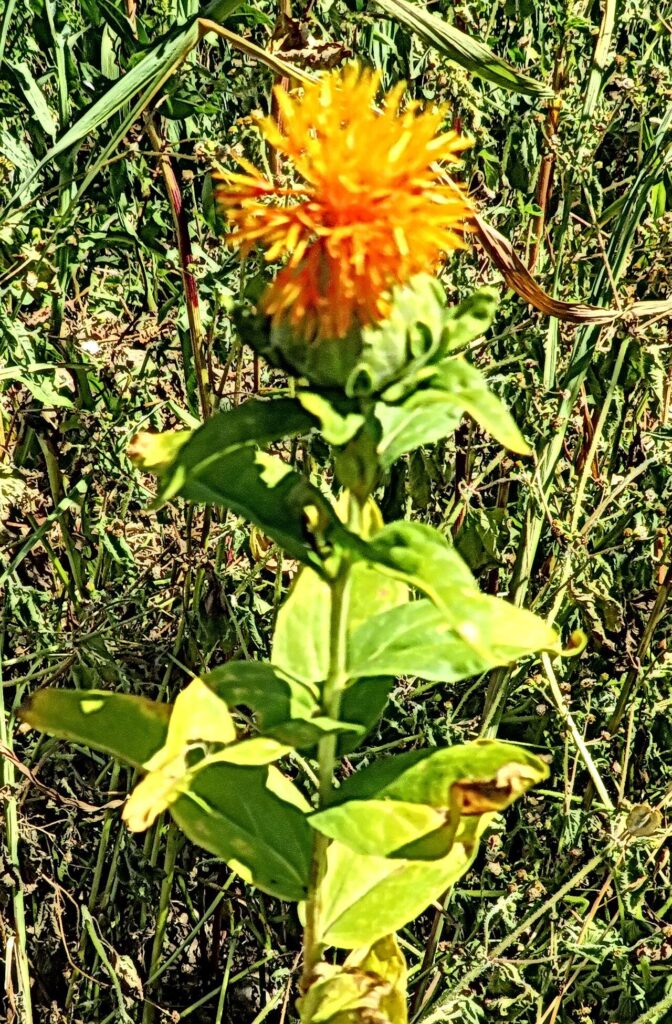
From Garden to Garden: Propagating Your Own Safflower Plants
Want to add a splash of vibrant color and even some edible oil to your garden? Then consider growing Carthamus tinctorius, more commonly known as safflower! This fascinating plant isn’t just a beautiful addition to your landscape; it’s incredibly easy to propagate, allowing you to start new plants from seeds or even cuttings.
Growing Safflower from Seed
Safflower seeds are truly the easiest way to cultivate these beautiful plants. Here’s a guide to get you started:
- Time it right: Sow safflower seeds directly outdoors after the last frost. For warmer climates, you can start them indoors a few weeks before the last frost date.
- Preparation is key: Choose a sunny spot with well-draining soil. Safflower prefers sandy loam, but it will do well in most garden soils if they are loose and airy.
- Planting depth: Sow seeds about ½ inch deep, spaced 12-18 inches apart.
- Water wisely: Keep the soil moist but not soggy. After germination, water only when the soil feels dry to the touch.
- Thinning: Once seedlings emerge, thin them to the strongest plant every few inches for optimal growth.
The Magic of Safflower Cuttings
While seeds are the traditional route, propagation via cuttings offers a quicker and sometimes more efficient approach. Here’s how to give it a go:
- Timing is everything: Take cuttings from healthy, non-flowering safflower plants in early summer. Choose firm, new growth, avoiding flowering stems.
- Cut with care: Make a clean cut just below a leaf node, using a sharp knife or pruning shears. Remove the bottom leaves, leaving two to four at the top of the cutting.
- Promote rooting: Dipping the cut end in rooting hormone can boost success.
- Planting time: Plant the cutting in a well-draining mix of perlite and peat moss. Keep the rooting medium moist, and ensure the cuttings are placed in a warm, bright location.
- Patience: Root development typically takes several weeks. You’ll know if the cutting is rooting when new growth appears.
Tips for Success
- Watering: Avoid overwatering as this can lead to root rot.
- Sunlight: Safflower thrives in full sun.
- Fertilizers: While not essential, a light application of balanced fertilizer during the growing season can encourage vigorous flower production.
Rewarding Rewards
Safflower’s beauty comes with added benefits! The stunning orange, yellow, and red flowers attract pollinators to your garden. Once the flowers dry, you can harvest the seeds for oil and food, adding a unique element to your meals. And if you’re feeling crafty, try drying the petals for vibrant natural dyes.
Whether you choose seeds or cuttings, propagating safflower is a rewarding adventure. With a little effort, you can enjoy a vibrant splash of color and multiple uses throughout the year. So, why not take the plunge and embark on your own safflower propagation journey today?