
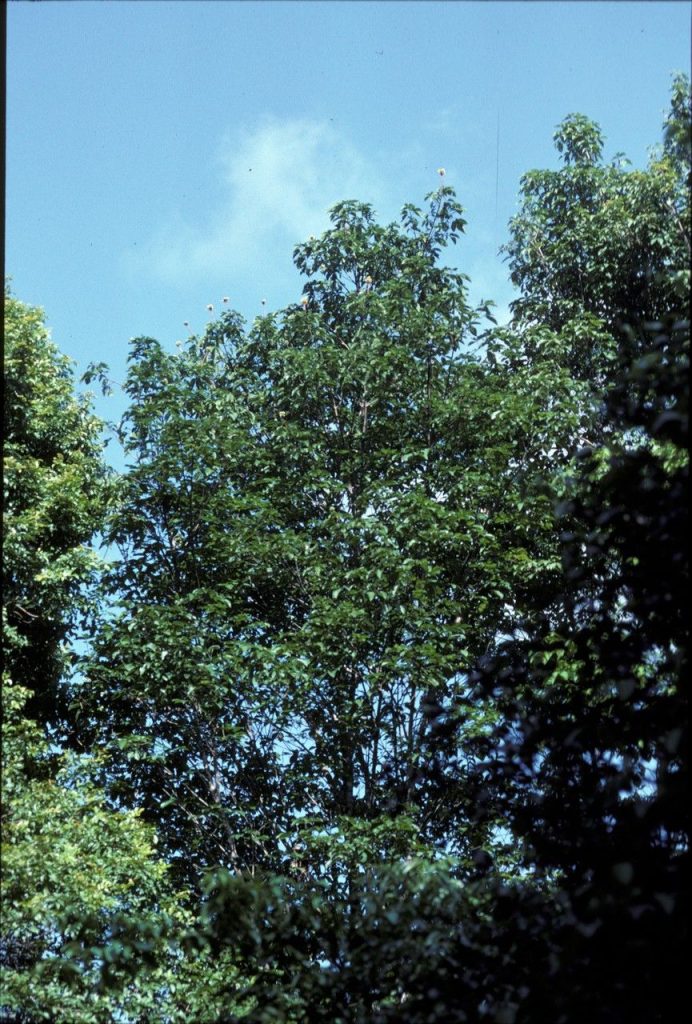
Propagating the Piquiá (Caryocar glabrum): A Gardener’s Guide
Introduction:
Caryocar glabrum, commonly known as piquiá, is a captivating tropical tree prized for its edible nuts and attractive foliage. Native to the Amazon basin, its popularity among gardeners is steadily growing, driven by interest in unusual fruit trees and its potential for landscaping. Piquiá boasts distinctive hard-shelled fruits containing several oily, delicious seeds. However, propagating this species presents unique challenges, making successful cultivation all the more rewarding. Its relatively slow growth and specific environmental requirements add to the intrigue for dedicated plant enthusiasts.
Seed Germination:
Seed germination is a viable, albeit challenging, method for propagating Caryocar glabrum. The primary challenge lies in the hard seed coat, which necessitates scarification to improve water uptake and facilitate germination.
Challenges: Slow and inconsistent germination rates are common. Fungal diseases can also be a significant problem, especially in humid conditions.
Practical Tips: Soak seeds in warm water for 24-48 hours prior to sowing. Consider mechanical scarification (carefully nicking the seed coat) or chemical scarification (using concentrated sulfuric acid for a short period – proceed with extreme caution and appropriate safety measures). Sow seeds in well-drained, nutrient-rich potting mix, keeping the soil consistently moist but not waterlogged. Maintain a warm temperature (25-30°C) and high humidity.
Rewards: Seed propagation offers the advantage of genetic diversity, producing a broader range of plants potentially exhibiting variation in fruit yield and other desirable traits. It also allows for large-scale propagation if successful germination rates are achieved.
Cuttings:
Currently, there are no known reliable methods for propagation of Caryocar glabrum using cuttings. The woody nature of the stems and difficulty in rooting appear to significantly hinder success. Further research into hormone application and environmental control during rooting may be necessary to explore this method’s viability.
Division:
Division is not a suitable propagation method for Caryocar glabrum, as it is a tree with a single, taproot-dominant root system. Dividing the root system would severely damage the plant and likely result in its death.
Tissue Culture:
Tissue culture propagation holds promise for Caryocar glabrum, although specific protocols for this species are still under development.
Challenges: Establishing sterile conditions and identifying suitable growth media and hormone combinations for optimal shoot multiplication and root induction are major hurdles.
Practical Tips: Research is needed to establish optimized protocols. If attempting tissue culture, it would be best to consult with experienced tissue culture laboratories specializing in tropical plants.
Rewards: Tissue culture offers the potential for large-scale propagation of superior genotypes and the preservation of genetic material from selected mother plants. Disease-free plantlets can be produced, providing a significant advantage over other methods.
Conclusion:
Propagating Caryocar glabrum presents several challenges, with seed germination being the most accessible but potentially erratic method. While cuttings and division are unsuitable, tissue culture shows promising potential, but significant research is still required to develop reliable protocols.
The rewards of successfully cultivating this unique tree, however, are numerous. The satisfaction derived from overcoming the propagation hurdles, coupled with the enjoyment of its beautiful foliage and delicious nuts, makes it a highly rewarding endeavor. For aspiring propagators, patience, persistence, and a willingness to learn from both successes and failures are key to unlocking the secrets of piquiá cultivation. Start with seed germination, embracing appropriate scarification techniques and meticulous care. If resources allow, exploring tissue culture offers the most significant potential for long-term success and responsible propagation of this fascinating species.