
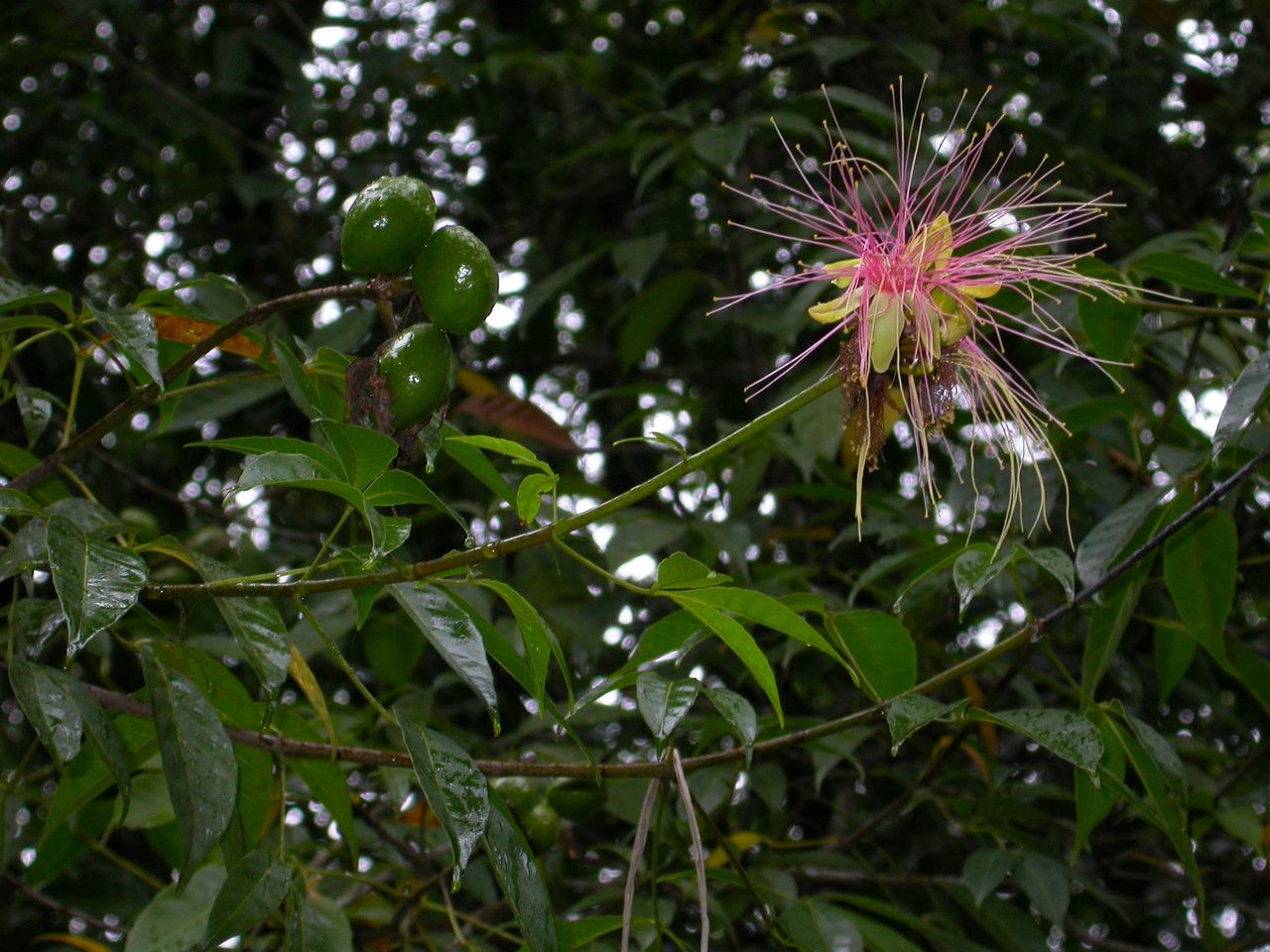
Cracking the Code: How to Propagate the Pequi Fruit Tree (Caryocar microcarpum)
The Pequi fruit (Caryocar microcarpum), native to the Brazilian Cerrado, is more than just a treat; it’s a cultural icon. Its rich, buttery flavor is a cornerstone of indigenous cuisine, and its oil boasts various culinary and cosmetic applications. Intrigued? If you’re dreaming of cultivating this exotic tree and savoring its unique fruit, understanding its propagation is key. Be warned, it’s not for the faint of heart!
The Seed of the Matter: A Challenging Journey
Pequi trees are notoriously difficult to propagate, primarily relying on seed germination for reproduction. Here’s why:
- Slow Germination: Pequi seeds are notoriously slow to sprout, often taking anywhere from 6 months to a year, and sometimes even longer. Patience is your most valuable tool here.
- Dormancy Issues: The hard outer shell of the seed, designed to protect it in the harsh Cerrado environment, also poses a challenge for germination.
- Low Success Rate: Unfortunately, even under ideal conditions, not all Pequi seeds will sprout.
Tips for Successful Pequi Propagation
While challenging, successfully germinating Pequi seeds is incredibly rewarding. Here are some strategies to increase your chances:
- Source Fresh Seeds: Obtain ripe fruits directly from a reliable source or reputable supplier. Fresh seeds significantly impact germination rates.
- Scarification is Key: Help your seeds along by gently cracking the tough outer shell. Carefully nick the seed coat using a file or sandpaper, being careful not to damage the inner seed.
- Soak It Up: Soak the scarified seeds in lukewarm water for 24-48 hours to encourage water absorption and jumpstart germination.
- Provide the Right Environment: Plant the soaked seeds about 2-3 inches deep in a well-draining, sandy loam soil mixture. Maintain consistent moisture and warmth (around 80°F or 27°C).
- Light and Patience: Pequi seeds prefer dappled sunlight or partial shade. Remember, patience is key. Don’t be disheartened by slow progress and continue to provide optimal conditions.
Beyond Seeds: Exploring Other Options
While seed propagation is the most common method, researchers are exploring alternative propagation techniques for Pequi, including:
- Vegetative propagation: Methods like grafting and cuttings are being investigated, offering potential for faster growth and preserving desirable traits. However, these techniques are still in the experimental phase.
Worth the Wait
Growing a Pequi tree from seed requires commitment and a significant degree of patience. However, the rewards are immeasurable – a taste of cultural heritage and the satisfaction of cultivating this remarkable tree. So embrace the challenge, and you might just find yourself enjoying the unique flavor of homegrown Pequi fruit in the years to come.