
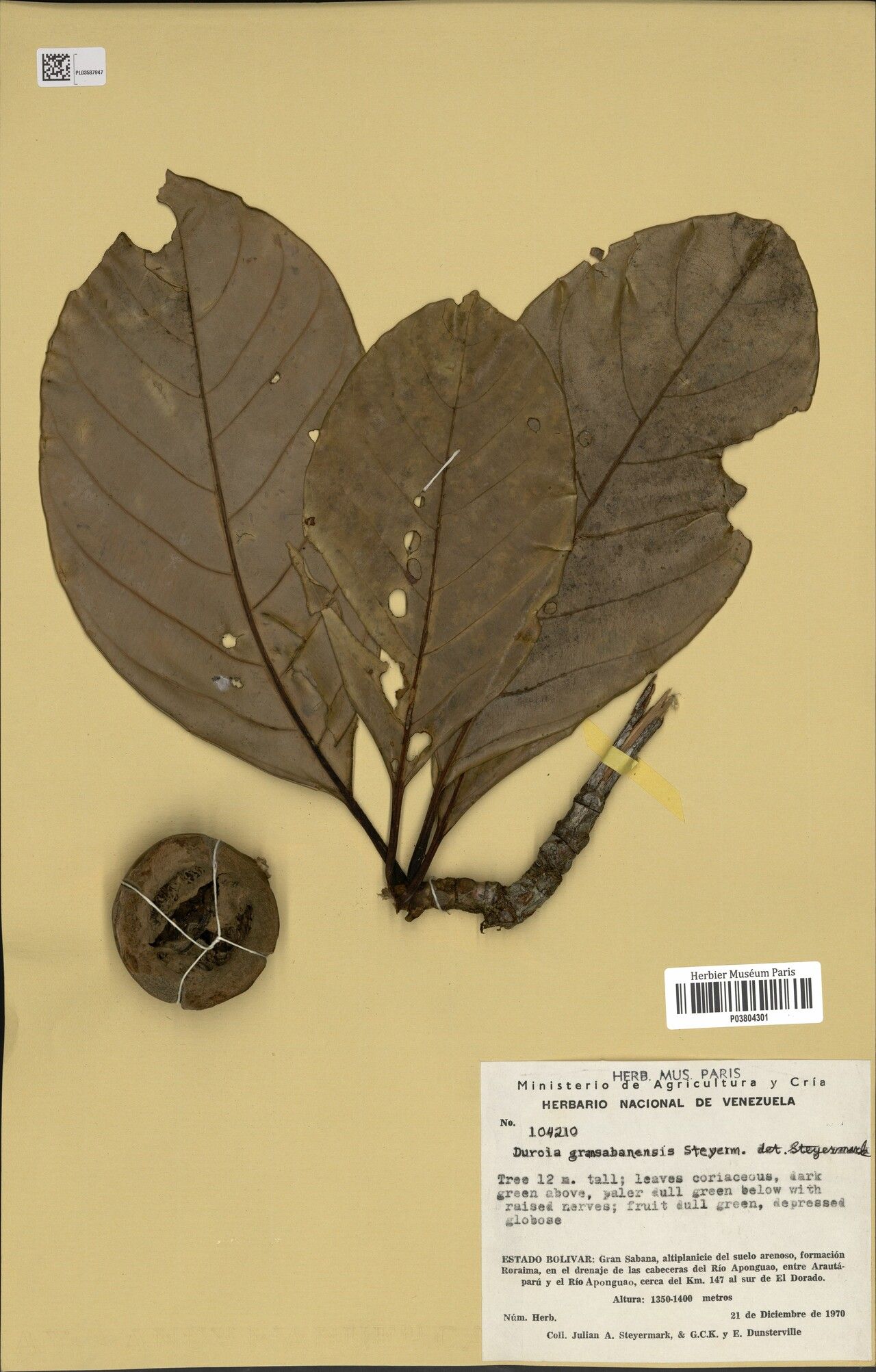
Taming the Amazon’s Mystery Tree: Can You Grow Duroia gransabanensis at Home?
Deep in the heart of the Amazon rainforest, a peculiar phenomenon occurs. Patches of seemingly identical trees dominate the understory, their leaves forming a uniform carpet across the forest floor. These stands, known as “devil’s gardens,” are home to a single species of tree: Duroia hirsuta. For centuries, indigenous people believed these eerie gardens were the work of an evil forest spirit. Now, we know the culprit is a bit smaller: a species of ant called Myrmelachista schumanni. These ants create the gardens by injecting a powerful herbicide into any non-Duroia plants, effectively weeding their territory.
But what about other Duroia species? Does our understanding of ant-plant relationships extend to them? Enter Duroia gransabanensis, a lesser-known but equally fascinating relative of the “devil’s garden” tree.
Duroia gransabanensis, like its cousin, hails from the Amazon rainforest. Information about this specific species is limited, and its relationship with ants hasn’t been as thoroughly documented. However, we can draw on knowledge of its family and general rainforest ecology to explore potential propagation methods.
Seeds of Potential:
Duroia species typically produce fruits and seeds. Finding seeds of Duroia gransabanensis outside its natural habitat is likely a challenge, but not impossible. Specialized nurseries or botanical gardens dedicated to preserving rare species might be a source.
If you do happen to acquire seeds:
- Mimic the Rainforest: Use a seed-starting mix that drains well and replicates the humid, slightly acidic soil conditions of the rainforest.
- Warmth and Light: Place the pot in a warm location (around 75-85°F) with bright, indirect light. Direct sunlight should be avoided as it can scorch delicate seedlings.
- Patience is Key: Germination times for rainforest trees can vary widely. Keep the soil consistently moist but not waterlogged and be prepared to wait.
Cuttings: A Chance to Clone?
Taking cuttings from mature Duroia gransabanensis trees in their natural habitat is discouraged due to the potential ecological impact. However, if you have access to a cultivated specimen:
- Choose wisely: Select healthy, non-flowering stems for cuttings.
- Hormonal Help: Dip the cut end in rooting hormone to encourage root development.
- Create a Humid Haven: Plant the cutting in a well-draining mix and enclose the pot in a plastic bag or humidity dome to maintain moisture.
A Word of Caution:
Cultivating rainforest trees outside their native environment can be challenging. Replicating the specific humidity, temperature, and light conditions they thrive in requires dedicated effort. Furthermore, information about the specific needs of Duroia gransabanensis is limited.
Before attempting propagation:
- Research Extensively: Explore any available scientific literature or contact botanical experts specializing in Amazonian flora.
- Consider the Ethics: Importing seeds or plants should always be done through legal and ethical channels to avoid contributing to habitat destruction.
While growing your own “devil’s garden” might not be feasible (or desirable), exploring the fascinating world of Duroia gransabanensis reminds us of the incredible diversity and complex relationships found within our planet’s rainforests.