
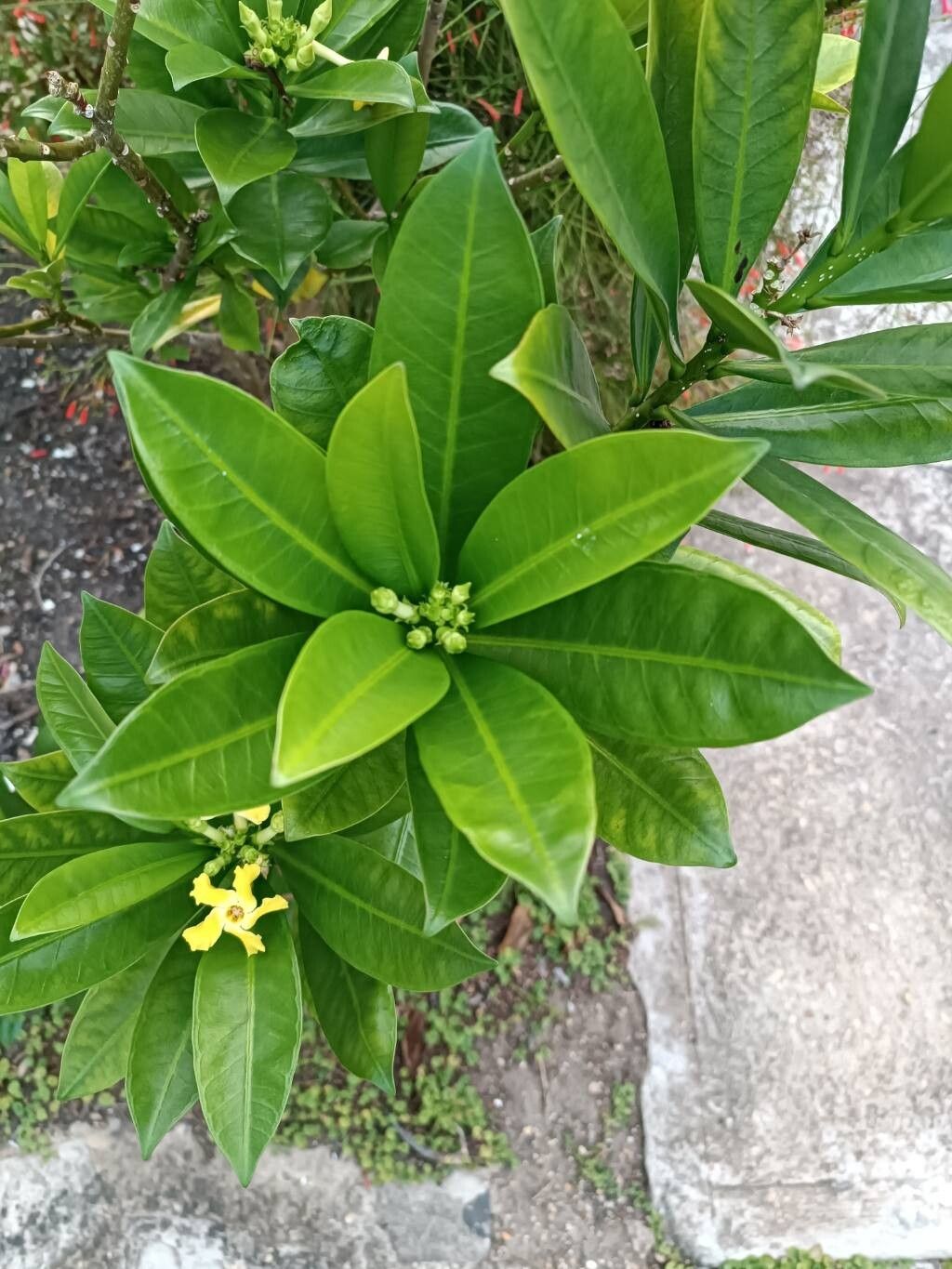
Propagating the Pink Tecoma: A Guide to Cascabela gaumeri
Introduction:
Cascabela gaumeri, commonly known as Pink Tecoma, is a captivating flowering shrub or small tree prized for its vibrant pink, trumpet-shaped blossoms and relatively fast growth. Its showy blooms make it a popular choice among gardeners, particularly in warmer climates. However, its propagation presents some unique challenges, making successful cultivation a rewarding experience for plant enthusiasts. While readily available as established plants, propagating Cascabela gaumeri from various methods can offer benefits such as increased genetic diversity and the potential for large-scale production.
Seed Germination:
Currently, there are no known reliable methods for seed germination propagation of Cascabela gaumeri. While seeds may be produced, germination rates are reported to be extremely low, and success is largely unpredictable. Further research is needed to establish effective germination protocols for this species.
Cuttings:
Cuttings offer a more reliable method for propagating Cascabela gaumeri.
Challenges: Success with cuttings relies heavily on timing and technique. Using semi-hardwood cuttings taken in late summer or early autumn appears to be the most promising approach.
Practical Tips: Choose healthy, non-flowering stems. Cuttings should be approximately 4-6 inches long, with the bottom cut made at a 45-degree angle. Remove lower leaves to prevent rotting. Dip the cut end in rooting hormone to stimulate root development. Plant cuttings in a well-draining mix of perlite and peat moss, ensuring adequate humidity (e.g., using a humidity dome or propagator). Keep the cuttings consistently moist but not waterlogged.
Rewards: Cuttings generally produce plants that are genetically identical to the parent plant, ensuring the preservation of desirable traits. This method allows for relatively quick propagation and is suitable even for smaller-scale propagation efforts by home gardeners.
Division:
Division is generally not a practical method for propagating Cascabela gaumeri. This species doesn’t readily produce the type of easily separable root systems necessary for successful division.
Tissue Culture:
Tissue culture offers the potential for large-scale propagation of Cascabela gaumeri, overcoming the limitations of seed germination and cuttings.
Challenges: Tissue culture requires specialized equipment, sterile techniques, and a proficient understanding of plant tissue culture protocols. Establishing suitable growth media and hormone concentrations is crucial for successful propagation. This method is not typically feasible for home gardeners.
Practical Tips: This method requires access to a laboratory setting with suitable equipment and expertise. Specific protocols for Cascabela gaumeri will need to be developed to optimize growth and acclimatization.
Rewards: Tissue culture can produce a large number of genetically identical plantlets rapidly, providing an efficient method for mass propagation, including the potential for disease-free stock.
Conclusion:
Propagating Cascabela gaumeri presents various challenges, with cuttings currently being the most accessible and reliable method for the average gardener. While seed germination proves difficult, and division is impractical, tissue culture offers a potentially significant advantage for large-scale propagation, albeit with specialized requirements. The ultimate reward, however, comes from overcoming these obstacles and witnessing the successful growth of these beautiful plants from your own efforts. The vibrant pink blooms that eventually reward your patience represent a tangible testament to your horticultural skill and dedication. Don’t be discouraged by initial failures. Persistent experimentation with cuttings, coupled with attention to detail concerning humidity, moisture levels, and appropriate rooting hormone, will significantly increase your chances of success in propagating this stunning species.