
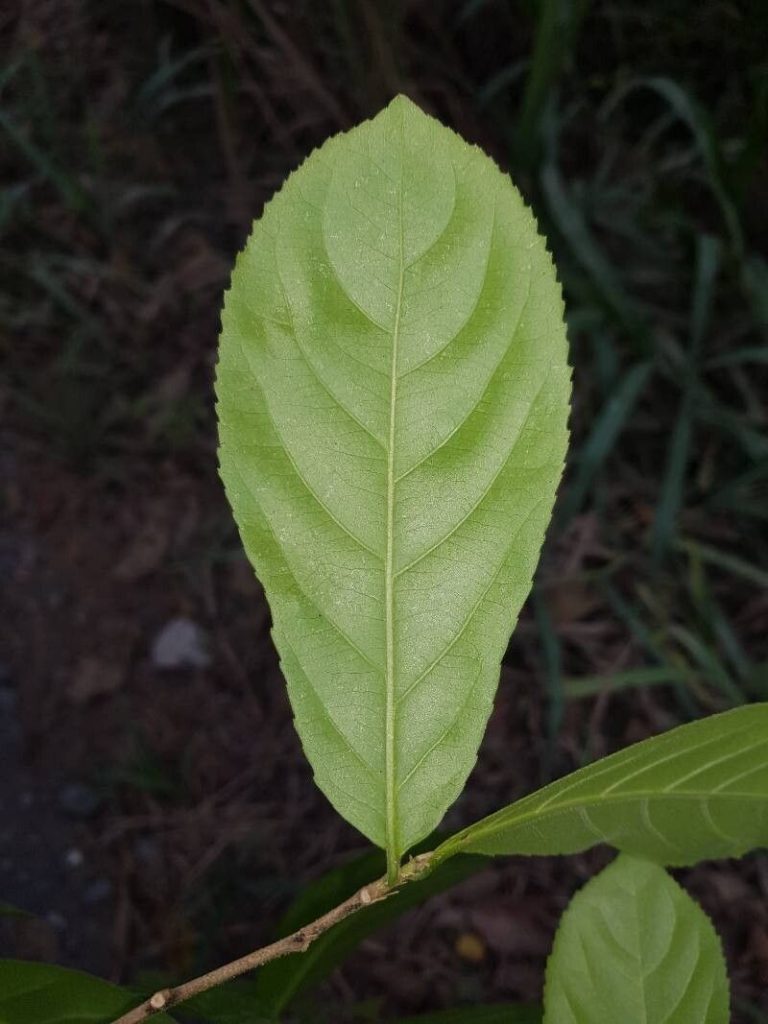
Propagating Casearia hirsuta: A Gardener’s Guide to the Hairy Casearia
Introduction:
Casearia hirsuta, also known as hairy casearia or simply casearia, is a captivating shrub prized for its lush foliage and attractive, often pendulous, flowering habit. Its relatively undemanding nature makes it a popular choice among gardeners, although its propagation presents some unique challenges. While commercially available, propagating Casearia hirsuta from existing plants presents an engaging horticultural project, offering a rewarding experience for those willing to persevere. The plant’s relative rarity in some regions also makes successful propagation particularly satisfying.
Seed Germination:
Currently, there are no known reliable methods for seed germination propagation of Casearia hirsuta. Though seeds may be produced, germination rates are reportedly very low, and consistent success has not been documented in horticultural literature. Further research is needed to determine viable techniques, including potential stratification or pre-treatment methods.
Cuttings:
Cuttings offer a more promising approach to propagating Casearia hirsuta.
Challenges: Root development from cuttings can be slow and inconsistent. The success rate depends heavily on factors like the timing of the cutting, the use of rooting hormones, and maintaining optimal humidity and temperature.
Practical Tips: Semi-hardwood cuttings taken in late summer or early autumn are generally recommended. Dip the cut ends in a rooting hormone powder before planting in a well-draining, moist propagation mix (e.g., perlite and peat moss). Maintain high humidity using a propagator or by covering the cuttings with a plastic bag (ensure good ventilation to prevent fungal diseases). Bottom heat can significantly improve rooting success.
Rewards: Cuttings offer a relatively simple method for cloning desirable traits from a mother plant. This ensures genetic uniformity in the resulting plants. It’s also useful for smaller-scale propagation compared to other methods.
Division:
Division is rarely a viable method for propagating Casearia hirsuta. The plant’s root system generally doesn’t lend itself to easy division, and attempts often lead to plant damage and failure.
Tissue Culture:
Tissue culture offers the potential for large-scale propagation of Casearia hirsuta, bypassing the challenges associated with seed germination and cuttings.
Challenges: Tissue culture requires specialized equipment, a sterile environment, and skilled expertise. Establishing a successful protocol for Casearia hirsuta may require considerable experimentation. The initial investment in equipment and materials can also be substantial.
Practical Tips: Researching existing tissue culture protocols for related species within the Casearia genus might provide a starting point. Experimentation with different media formulations and growth regulators is crucial for optimizing growth and shoot multiplication.
Rewards: Tissue culture allows for the rapid production of large numbers of genetically identical plants, opening possibilities for commercial propagation and conservation efforts. It also allows for disease eradication and the potential to improve plant health.
Conclusion:
Propagating Casearia hirsuta presents a unique set of challenges across different methods. While seed germination is currently unreliable, cuttings offer a workable, albeit somewhat finicky, approach for home gardeners. Division is impractical, and tissue culture remains a complex but potentially high-reward option for larger-scale production. The difficulties involved in successful propagation, however, only add to the satisfaction of seeing these lovely shrubs thrive under your care. Patience, consistent attention to detail, and a willingness to experiment are key to success. For aspiring propagators, starting with cuttings and focusing on creating the optimal environment for rooting is a great starting point on your journey to cultivating this rewarding plant. Don’t be discouraged by setbacks – the triumph of seeing your propagated Casearia hirsuta flourish will be well worth the effort.